All weeks
Choose your pregnancy week
Each card opens a standalone weekly page. Later, each week content can be managed from the dashboard.
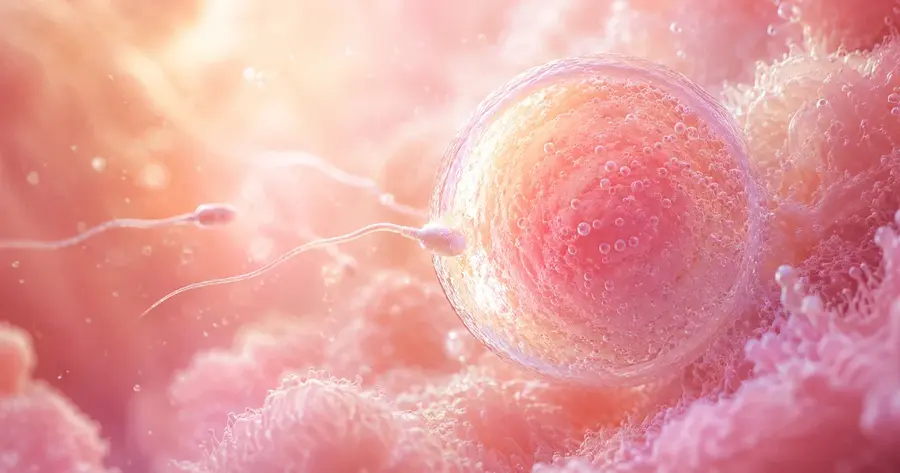 Weeks 1-2
1-2 Weeks Pregnant
During weeks 1 and 2, pregnancy dating starts from the first day of your last menstrual period, while your body prepares for ovulation and the possibility of conception.
Read week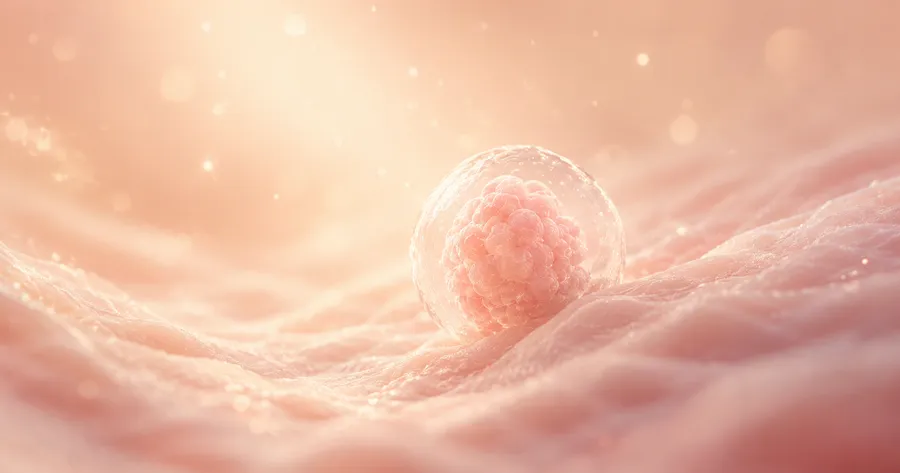 Week 3
3 Weeks Pregnant
At 3 weeks pregnant, ovulation, fertilization, and early implantation may occur, while the first cells begin dividing and pregnancy symptoms may still be absent.
Read week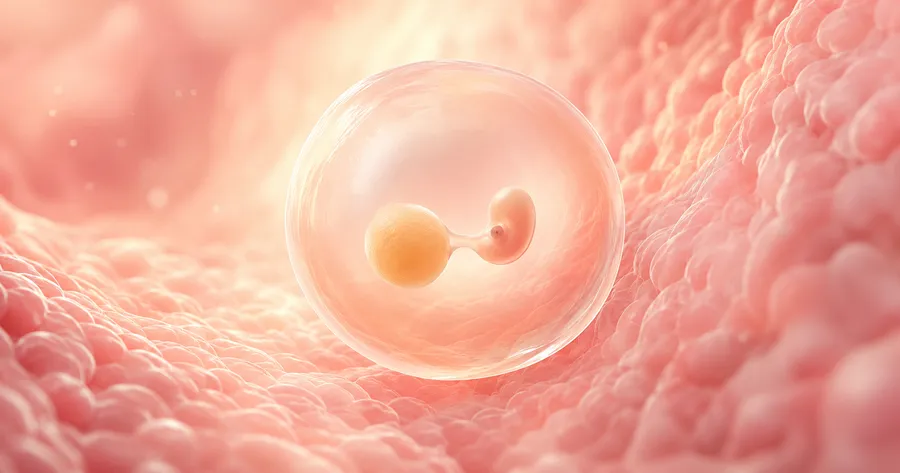 Week 4
4 Weeks Pregnant
At 4 weeks pregnant, a pregnancy test may turn positive, the placenta and amniotic sac begin developing, and early symptoms may appear or still be absent.
Read week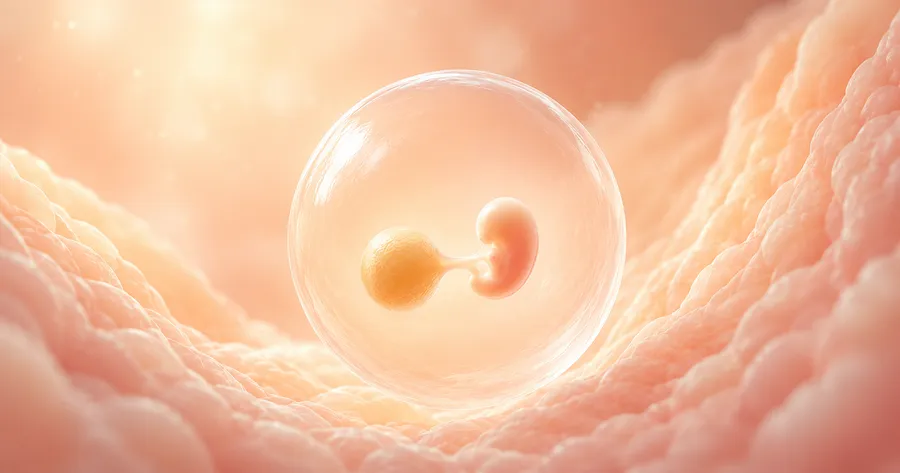 Week 5
5 Weeks Pregnant
At 5 weeks pregnant, pregnancy may be confirmed and symptoms such as nausea, fatigue, and breast tenderness may become more noticeable while early fetal development continues.
Read week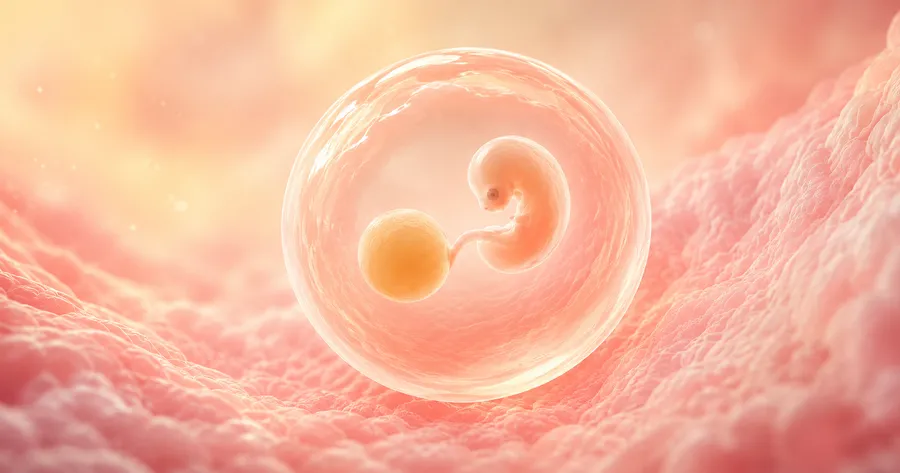 Week 6
6 Weeks Pregnant
At 6 weeks pregnant, symptoms may become clearer, an early heartbeat may be seen on ultrasound, and the neural tube and early organ structures continue developing.
Read week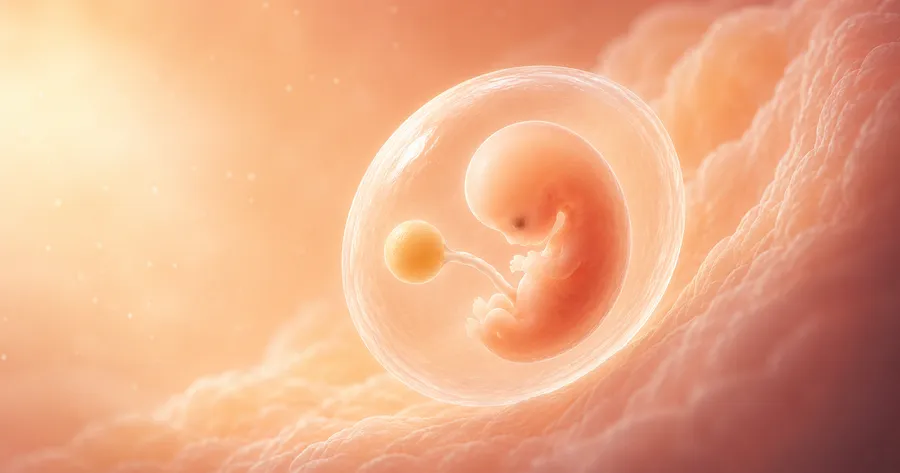 Week 7
7 Weeks Pregnant
At 7 weeks pregnant, the brain and early organs are developing quickly, symptoms such as nausea and fatigue may become more noticeable, and an early ultrasound may help assess pregnancy dating and location when clinically appropriate.
Read week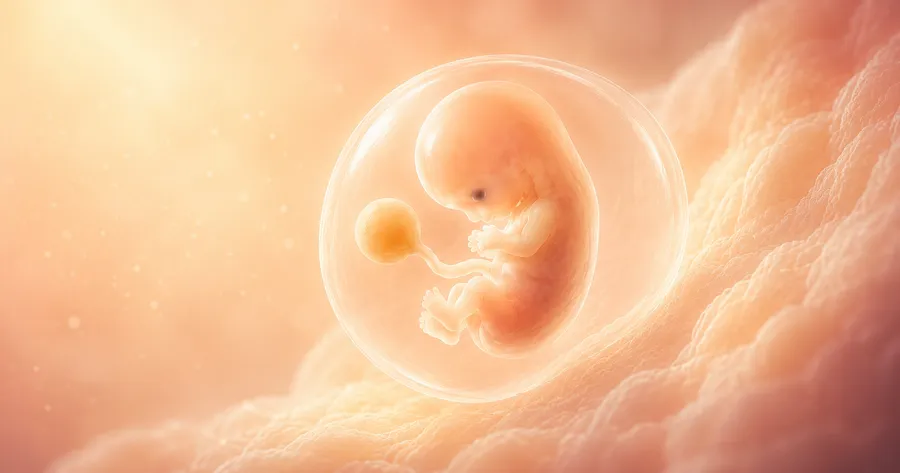 Week 8
8 Weeks Pregnant
At 8 weeks pregnant, you are nearing the end of the second month. Facial features and limbs are developing quickly, while nausea, fatigue, and breast tenderness may continue.
Read week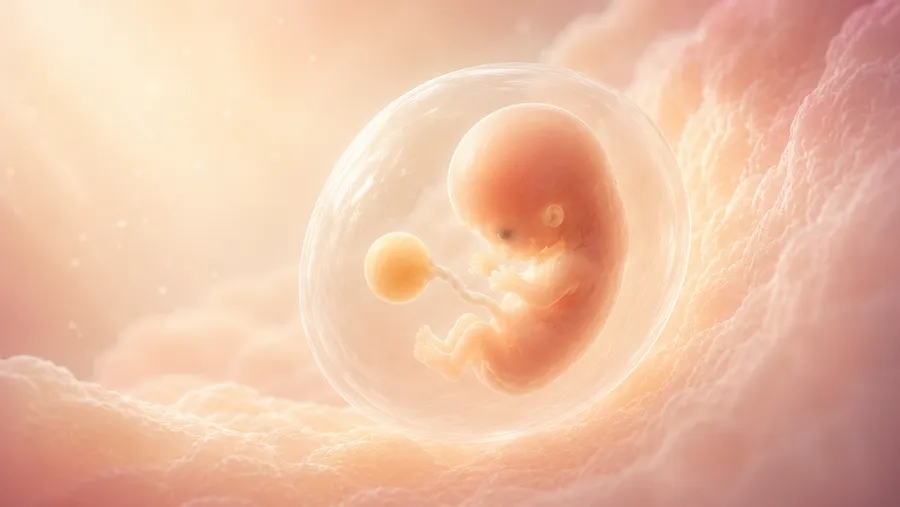 Week 9
9 Weeks Pregnant
At 9 weeks pregnant, your baby's organs, facial features, and limbs continue developing, while nausea, fatigue, bloating, heartburn, and mood changes may be noticeable.
Read week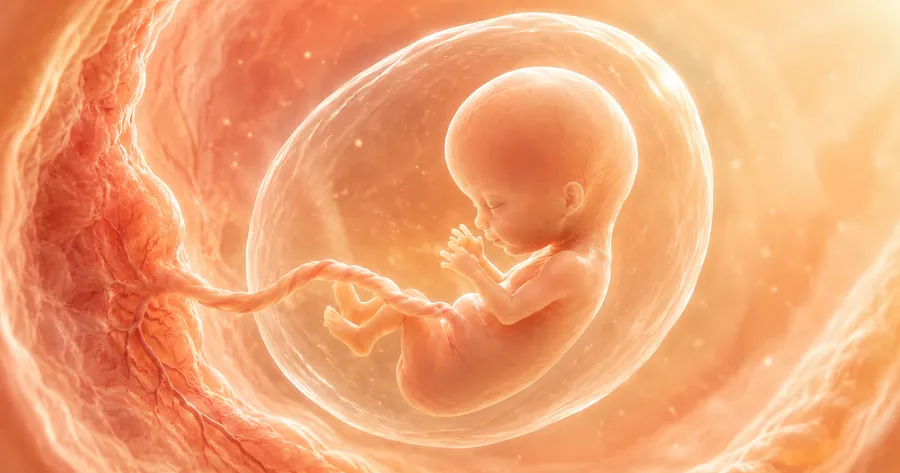 Week 10
10 Weeks Pregnant
At 10 weeks pregnant, you are getting close to the end of the first trimester. The embryonic stage gives way to the fetal stage as organs continue to grow and mature.
Read week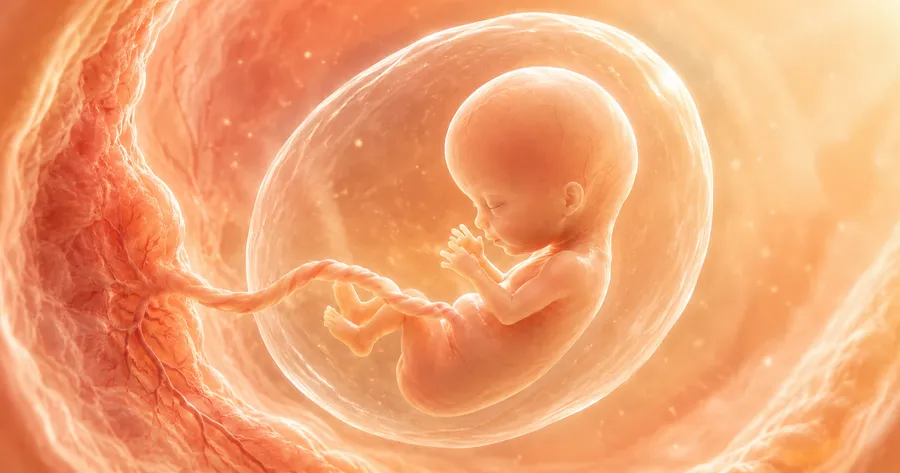 Week 11
11 Weeks Pregnant
At 11 weeks pregnant, the first trimester is nearing its end. The fetus is growing quickly, fingers and toes are more defined, early bones continue to harden, and symptoms may start to ease or remain bothersome for some women.
Read week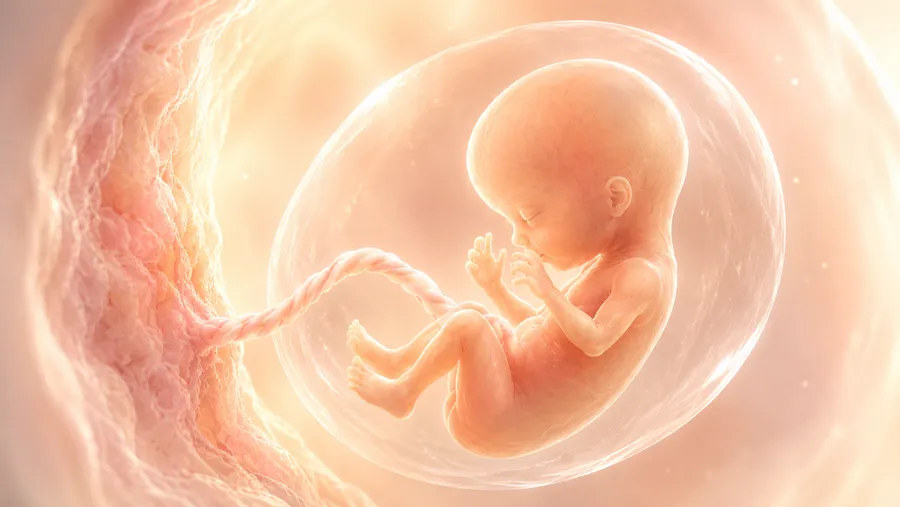 Week 12
12 Weeks Pregnant
At 12 weeks pregnant, you are nearing the end of the first trimester. Some symptoms may start to improve while your baby continues growing and developing more recognizable features.
Read week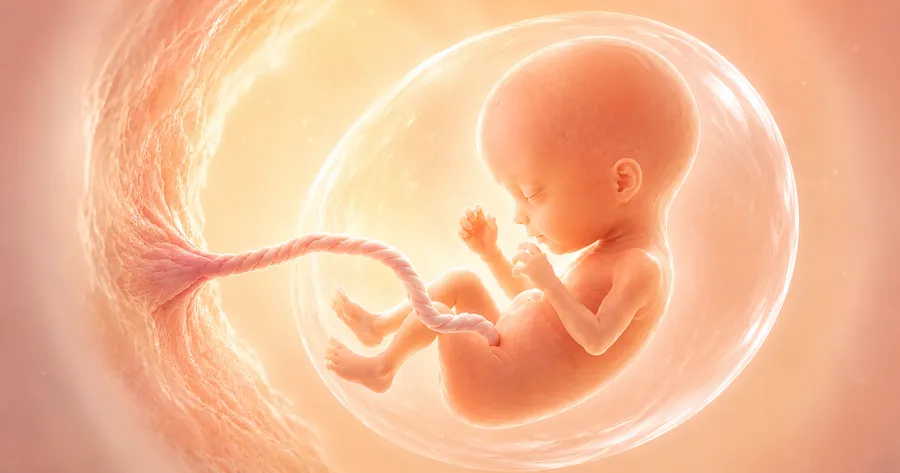 Week 13
13 Weeks Pregnant
At 13 weeks pregnant, you are nearing the end of the first trimester. Nausea may begin to ease for some women, while your baby continues growing and developing finer details.
Read week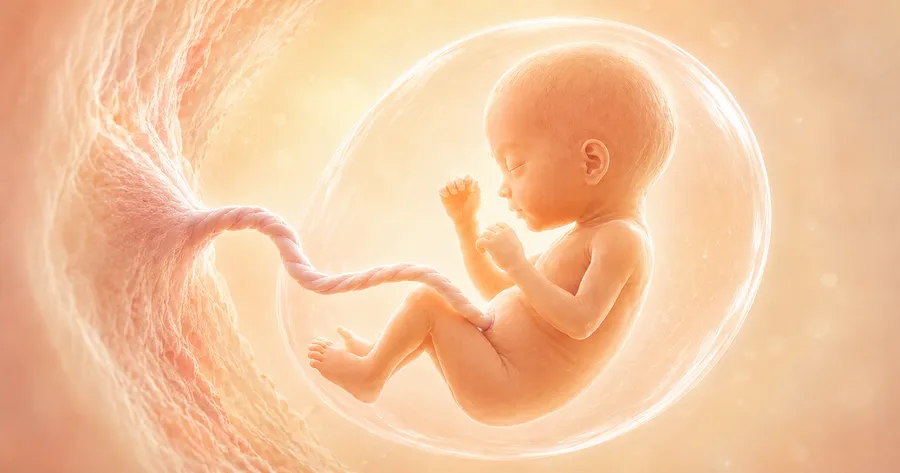 Week 14
14 Weeks Pregnant
At 14 weeks pregnant, the second trimester begins. Energy may gradually improve for some women, while the baby continues growing and early facial movements become more developed.
Read week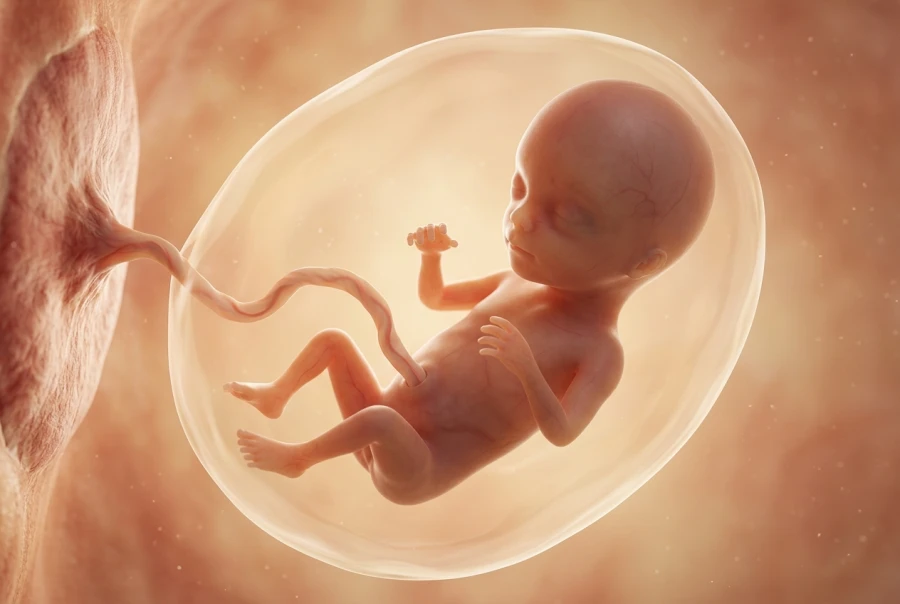 Week 15
15 Weeks Pregnant
At 15 weeks pregnant, you are in the second trimester. Energy and appetite may improve for some women, while the fetus continues growing quickly as bones begin to harden and body features become more defined.
Read week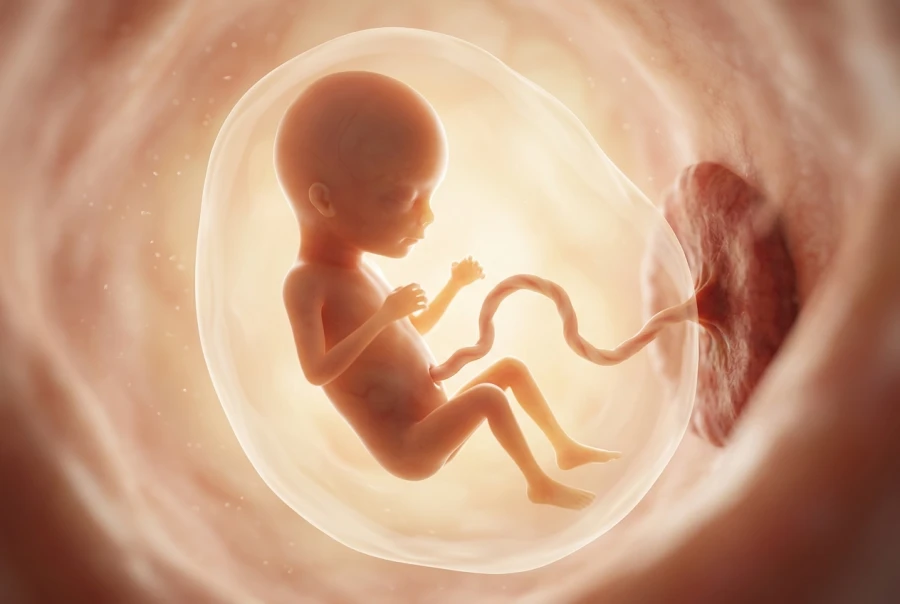 Week 16
16 Weeks Pregnant
At 16 weeks pregnant, you are in the second trimester for many care plans. Energy and nausea may improve, your baby is growing quickly, and some women may begin noticing faint movements.
Read week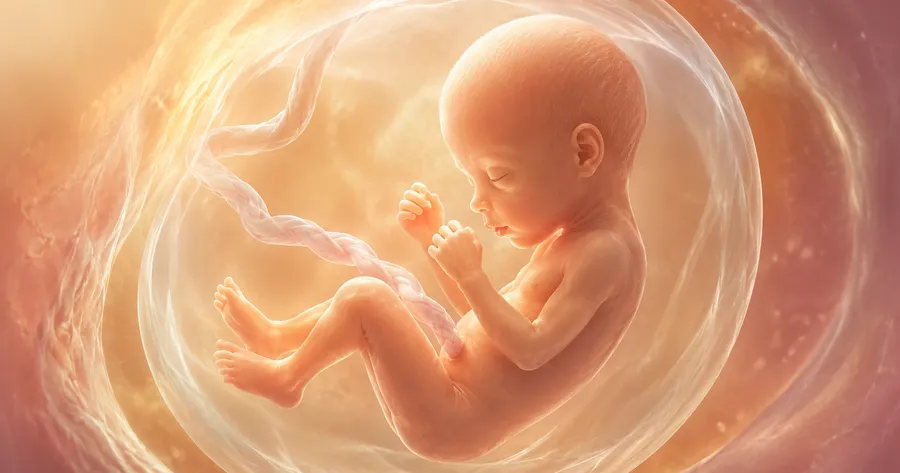 Week 17
17 Weeks Pregnant
At 17 weeks pregnant, your uterus and abdomen continue growing, your baby's hearing develops, fat begins forming under the skin, and back or sciatic pain or allergy symptoms may appear.
Read week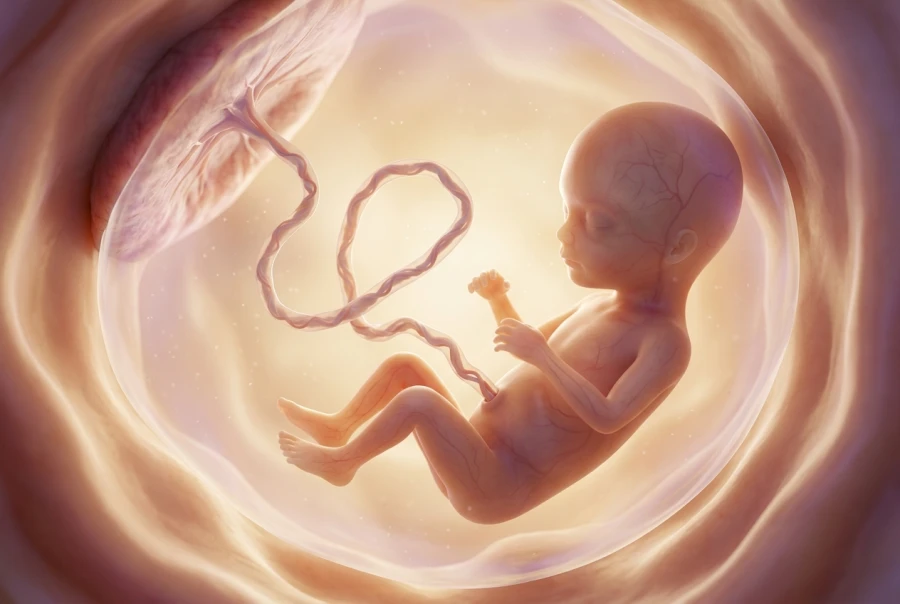 Week 18
18 Weeks Pregnant
At 18 weeks pregnant, you are getting close to the halfway point. Your pregnancy may look more visible, while the baby’s nerves, movement, and anatomy continue developing.
Read week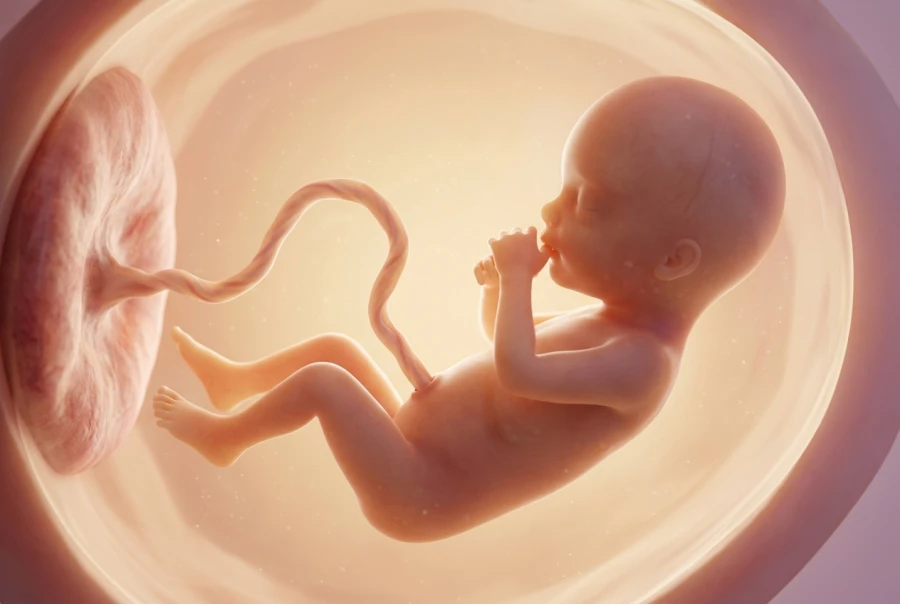 Week 19
19 Weeks Pregnant
At 19 weeks pregnant, fetal movement may become more noticeable, round ligament pain and dizziness can occur, and the detailed mid-pregnancy anatomy ultrasound may be scheduled around this stage.
Read week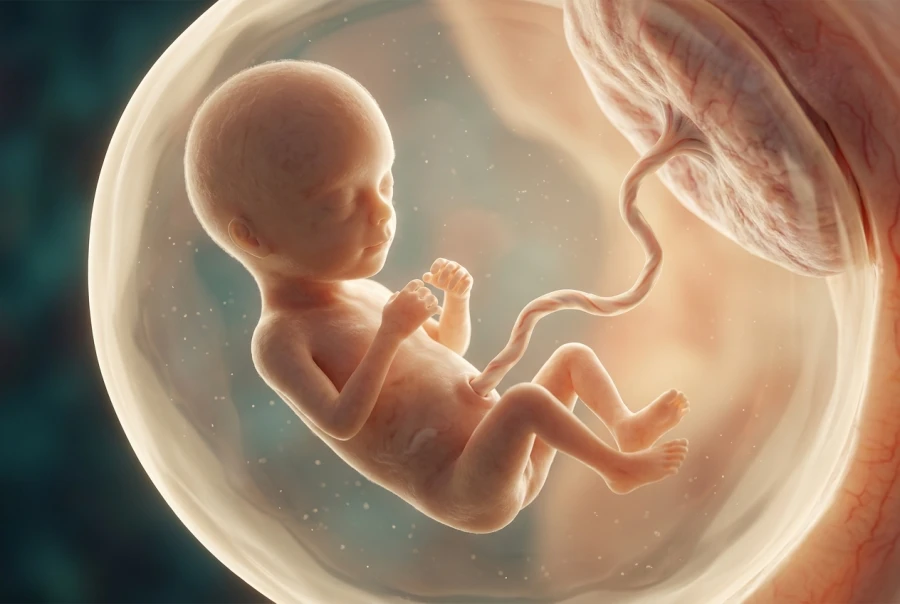 Week 20
20 Weeks Pregnant
At 20 weeks pregnant, you are around halfway through pregnancy. Your bump may be more visible, fetal movement may become clearer, and the anatomy scan is an important part of care around this stage.
Read week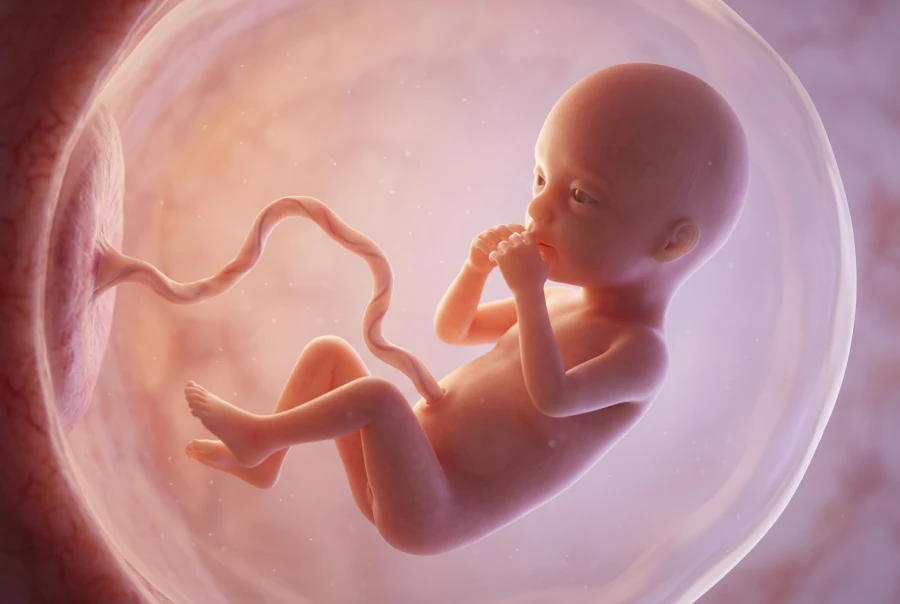 Week 21
21 Weeks Pregnant
At 21 weeks pregnant, your belly is more noticeable, fetal movement may be clearer, your baby's digestive system continues maturing, and swelling, varicose veins, acne, or urinary symptoms may need attention.
Read week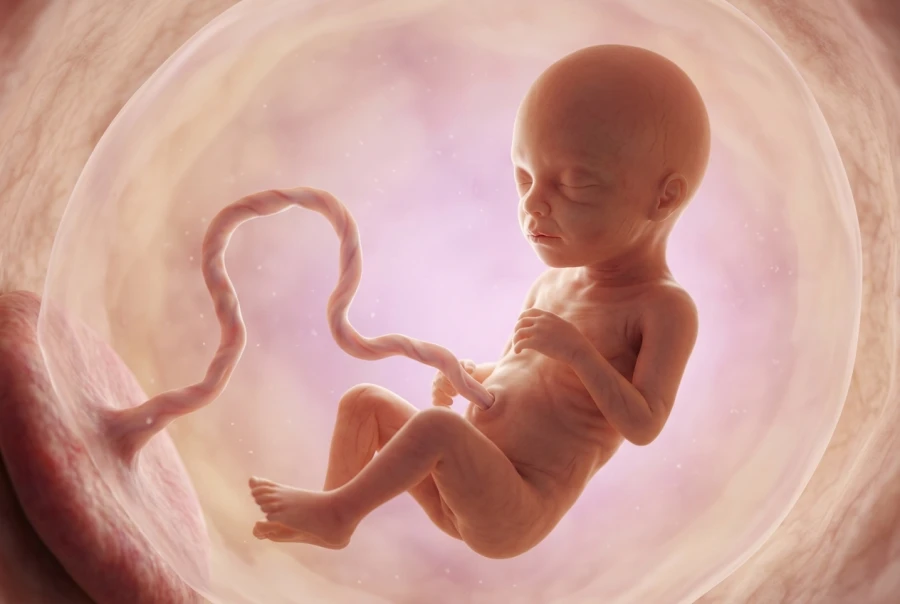 Week 22
22 Weeks Pregnant
At 22 weeks pregnant, your pregnancy may be more visible, your baby’s senses and features continue developing, and it is important to understand symptoms that may need preterm labor assessment.
Read week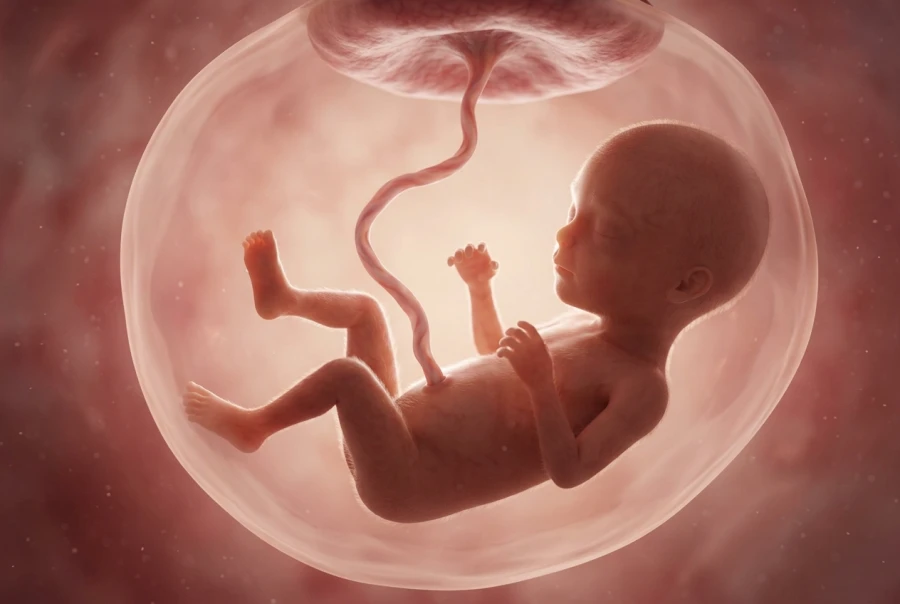 Week 23
23 Weeks Pregnant
At 23 weeks pregnant, your bump is usually more noticeable, fetal movement may feel clearer, and symptoms such as back pain, swelling, frequent urination, or fluid leakage should be understood carefully.
Read week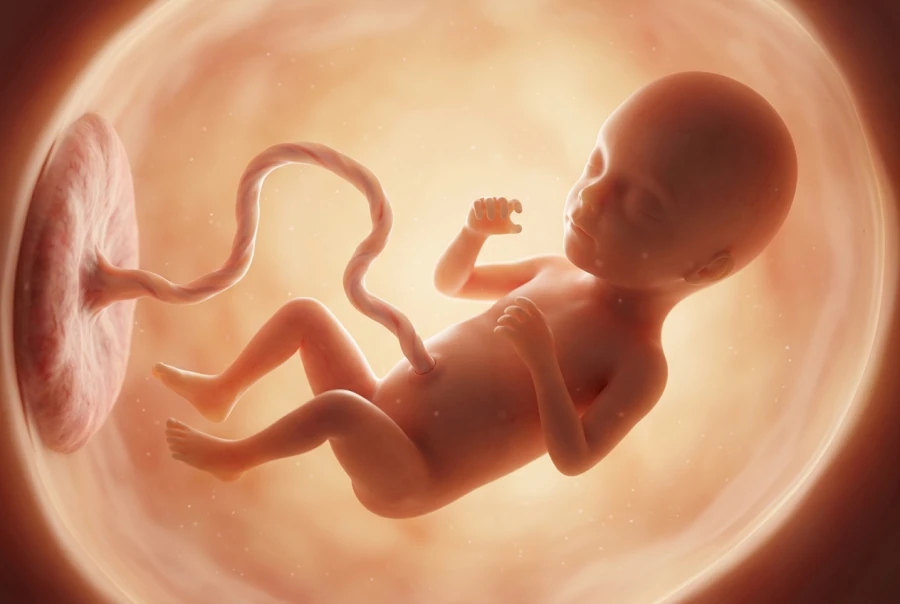 Week 24
24 Weeks Pregnant
At 24 weeks pregnant, fetal movement may be easier to notice, the baby's brain and lungs continue developing, and gestational diabetes screening is an important part of care between weeks 24 and 28.
Read week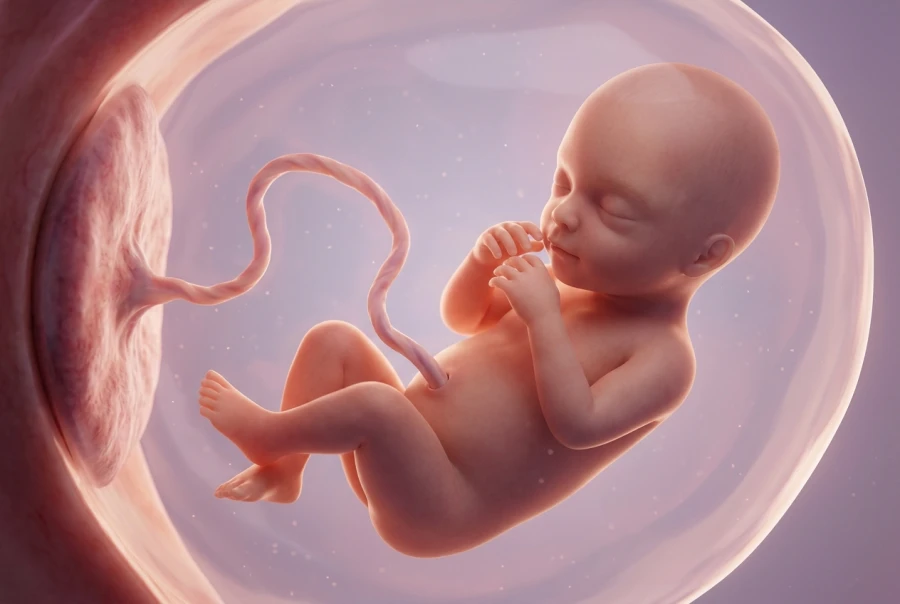 Week 25
25 Weeks Pregnant
At 25 weeks pregnant, your uterus is noticeably larger, your baby continues gaining fat and growing, and this may be a good time to review gestational diabetes screening and avoid non-medical keepsake ultrasound.
Read week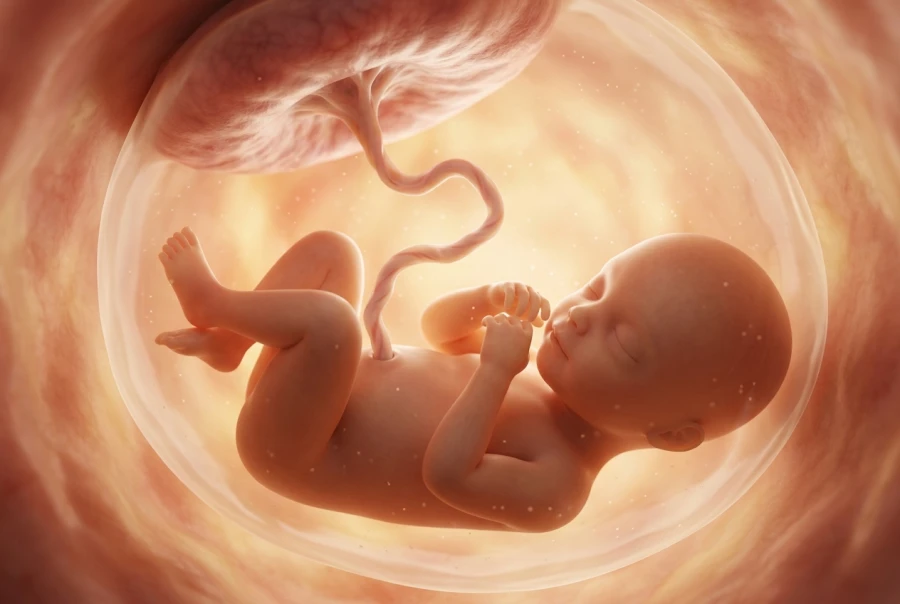 Week 26
26 Weeks Pregnant
At 26 weeks pregnant, you are nearing the end of the second trimester. Baby hearing, lung practice, and movement continue developing while glucose screening, Rh testing, and Braxton Hicks discussions become important.
Read week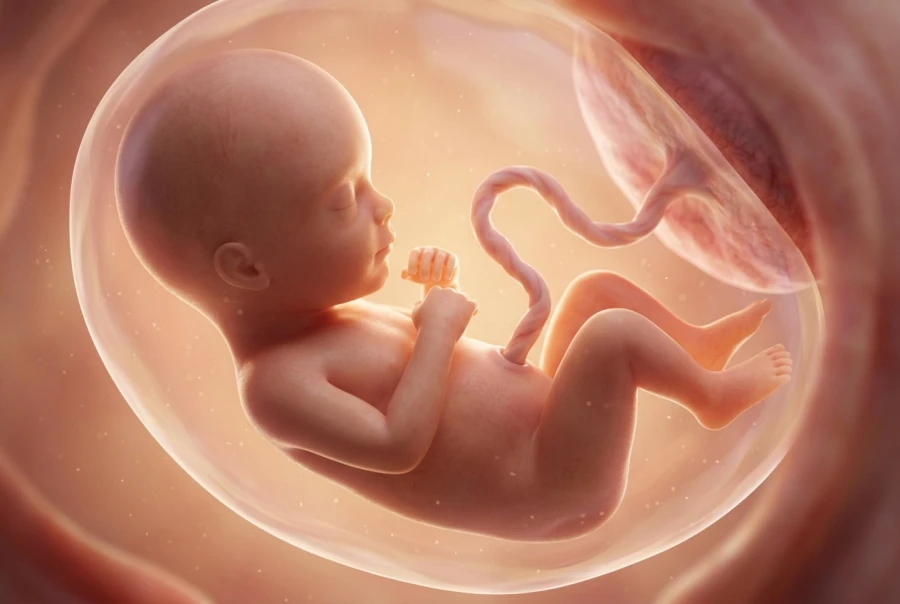 Week 27
27 Weeks Pregnant
At 27 weeks pregnant, fetal movement may feel stronger and you may notice hiccups or a sleep-wake pattern. This is also a useful time to prepare for the third trimester, glucose screening, childbirth classes, and birth planning.
Read week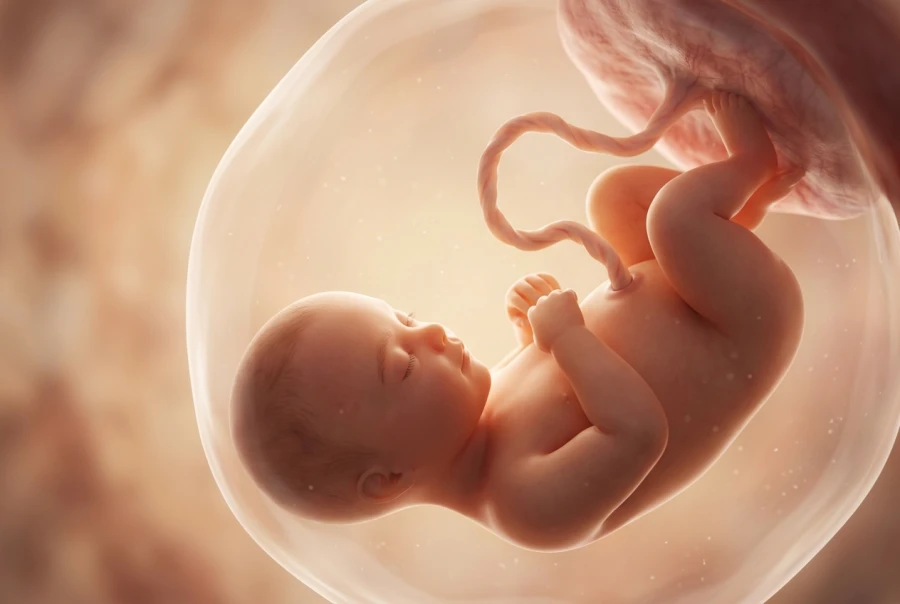 Week 28
28 Weeks Pregnant
At 28 weeks pregnant, you are usually entering the third trimester. Fetal movement, Rh status, Tdap vaccination, glucose screening results, and closer follow-up become important parts of care.
Read week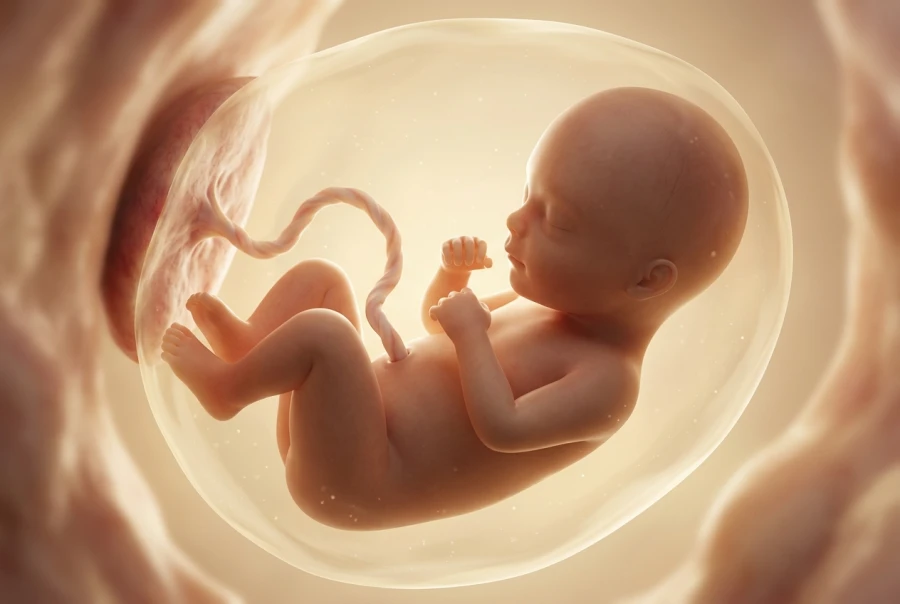 Week 29
29 Weeks Pregnant
At 29 weeks pregnant, the third trimester is more noticeable, your baby's brain keeps growing, the lungs and muscles continue maturing, and fetal movement, nutrition, constipation, Tdap, and preterm labor signs become important to review.
Read week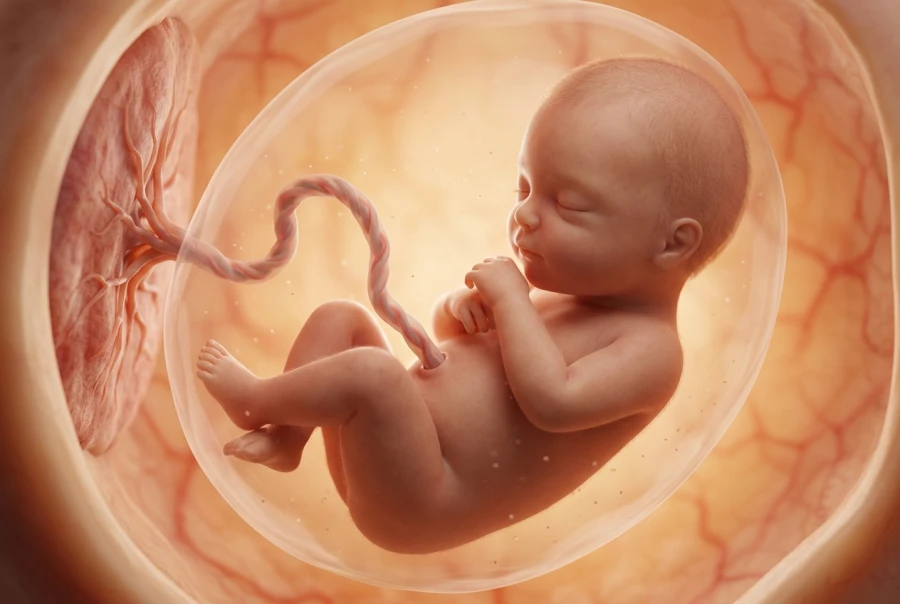 Week 30
30 Weeks Pregnant
At 30 weeks pregnant, third-trimester changes become more noticeable. Fatigue, sleep difficulty, back pain, and fetal movement may increase while the baby's brain and bone marrow continue important development.
Read week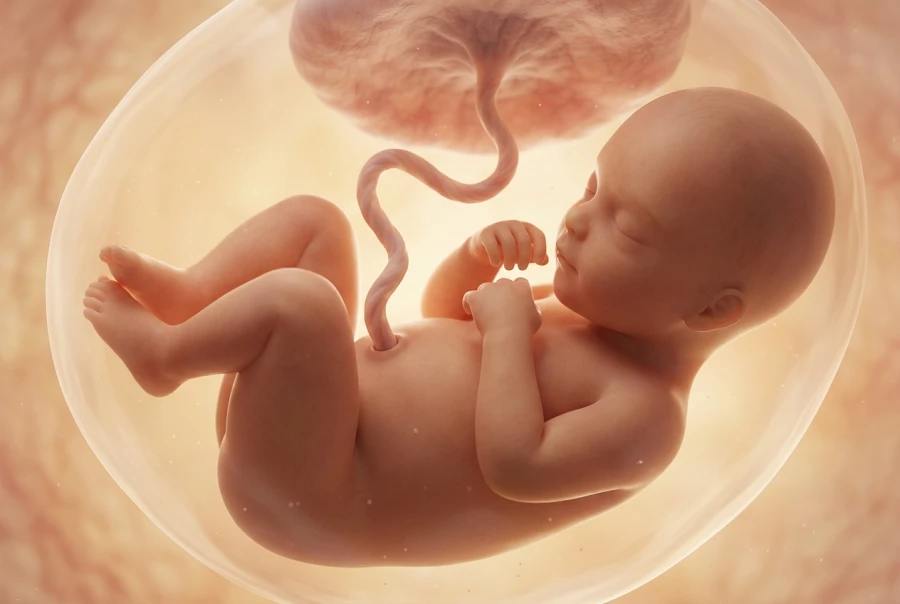 Week 31
31 Weeks Pregnant
At 31 weeks pregnant, fetal movement may feel stronger, and you may notice colostrum leaking from the breasts, Braxton Hicks contractions, hemorrhoids, constipation, and a stronger need to prepare for breastfeeding and birth.
Read week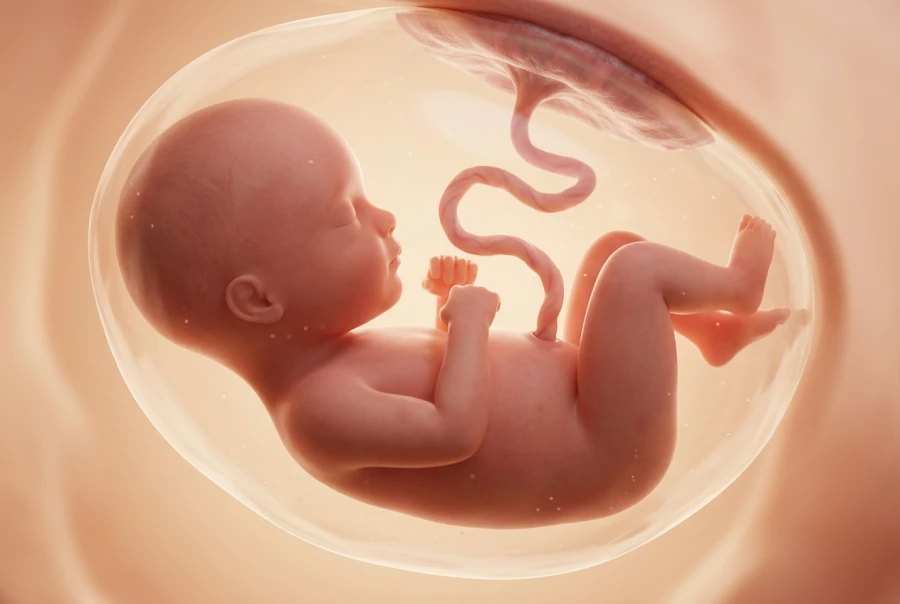 Week 32
32 Weeks Pregnant
At 32 weeks pregnant, birth is getting closer. Heartburn, mild shortness of breath, and Braxton Hicks contractions may increase while the baby's lungs and bones continue maturing.
Read week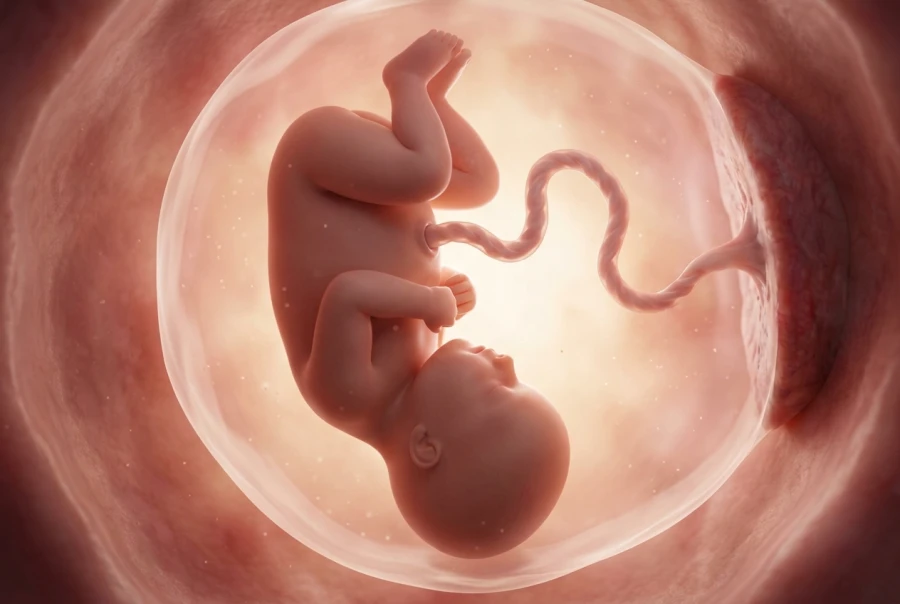 Week 33
33 Weeks Pregnant
At 33 weeks pregnant, birth is getting closer, your baby continues gaining fat and bone strength, and it is important to know signs of leaking amniotic fluid, fetal movement changes, episiotomy questions, Tdap, and postpartum birth control options.
Read week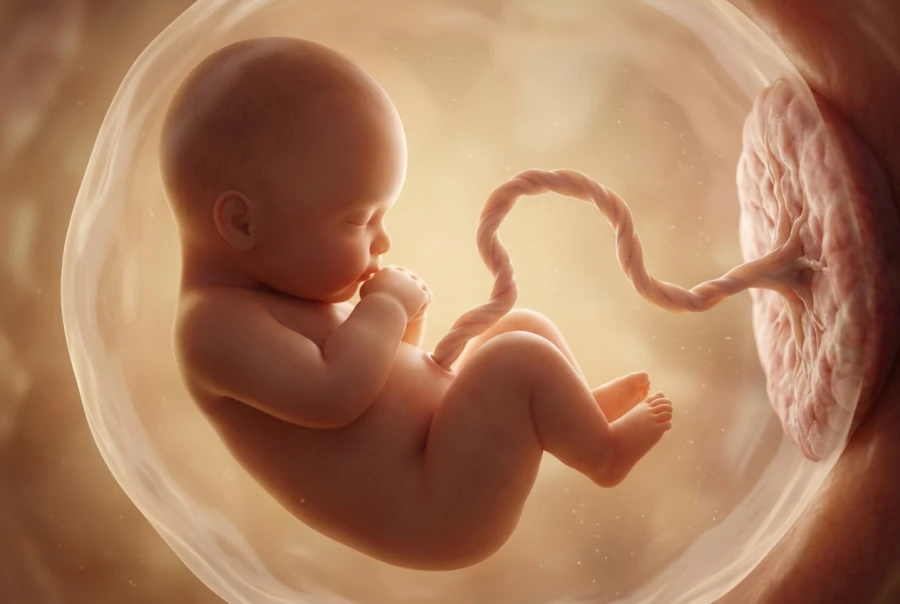 Week 34
34 Weeks Pregnant
At 34 weeks pregnant, birth preparation becomes more practical. Baby movement may feel different, amniotic fluid changes matter, and your clinician may discuss GBS screening, labor entry, pain relief, and postpartum planning.
Read week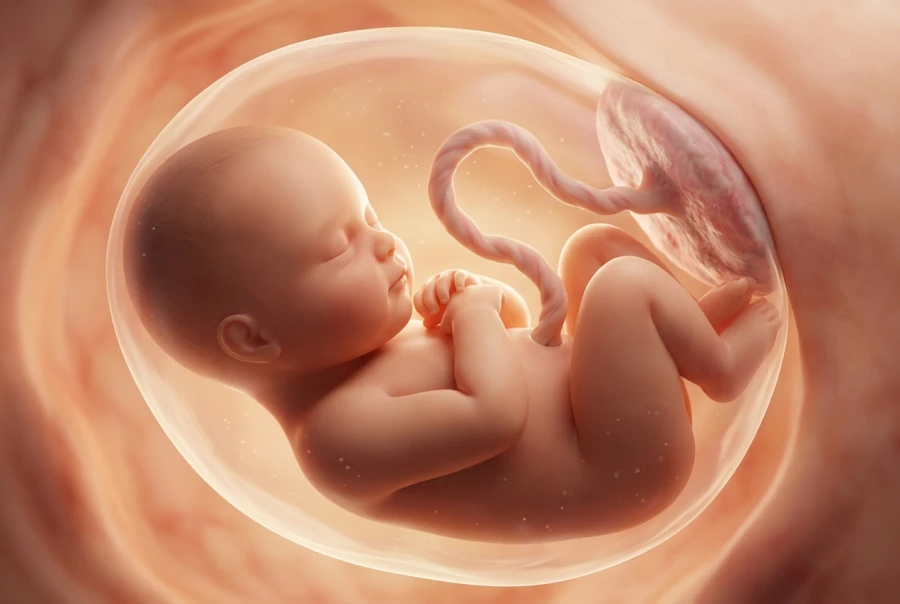 Week 35
35 Weeks Pregnant
At 35 weeks pregnant, birth is getting closer. You may notice shortness of breath, Braxton Hicks contractions, a change in the type of fetal movement because space is tighter, and preparation for weekly visits and upcoming GBS screening.
Read week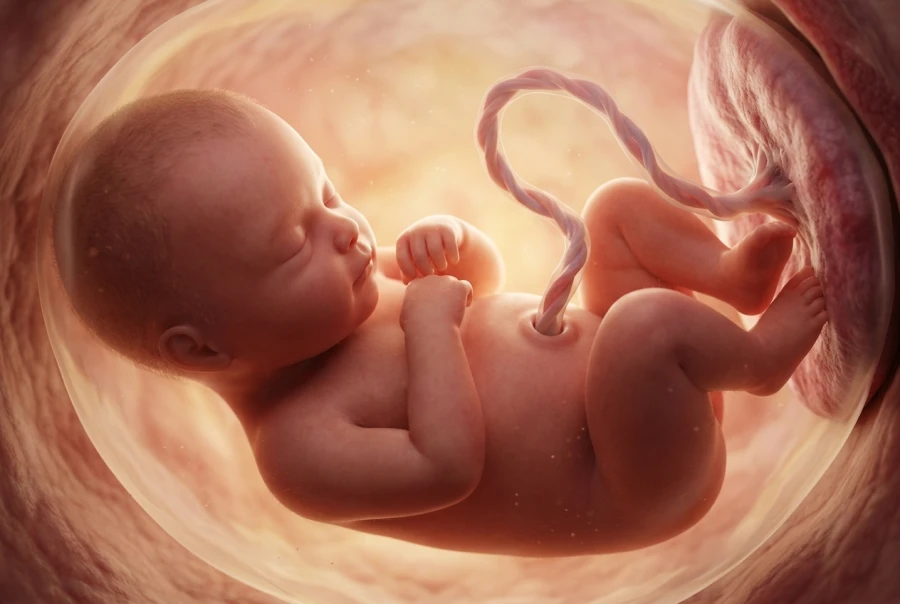 Week 36
36 Weeks Pregnant
At 36 weeks pregnant, you are close to the end of pregnancy. Braxton Hicks contractions may increase, and GBS screening, fetal position, your hospital bag, and an emergency plan become important.
Read week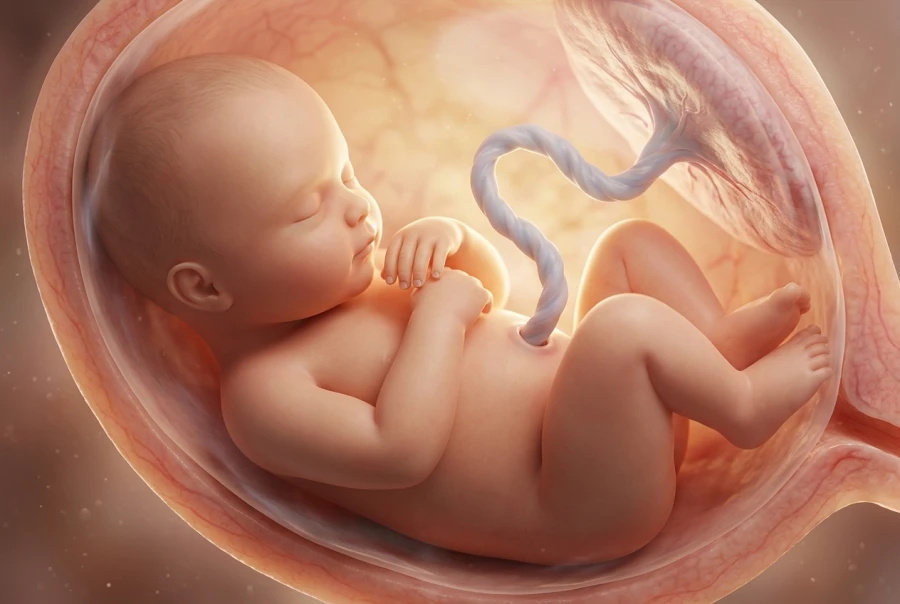 Week 37
37 Weeks Pregnant
At 37 weeks pregnant, birth is getting close, Braxton Hicks contractions may increase, the cervix may begin dilating and effacing, the mucus plug may pass, and fetal movement, water breaking, GBS screening, and baby position become important.
Read week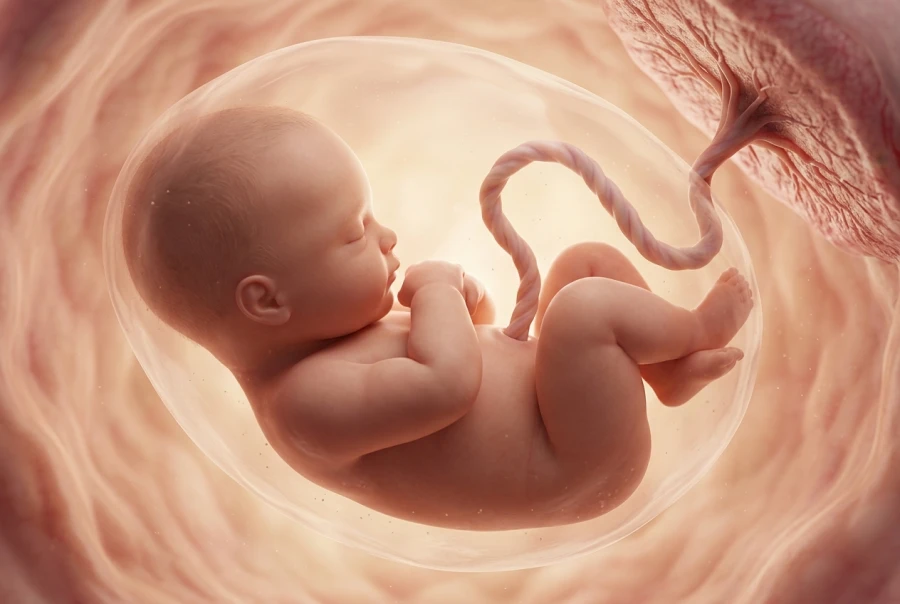 Week 38
38 Weeks Pregnant
At 38 weeks pregnant, birth may feel very close. You may notice pelvic pressure, changing baby movement, mild swelling, and irregular contractions while preparing for when to call or go to the hospital.
Read week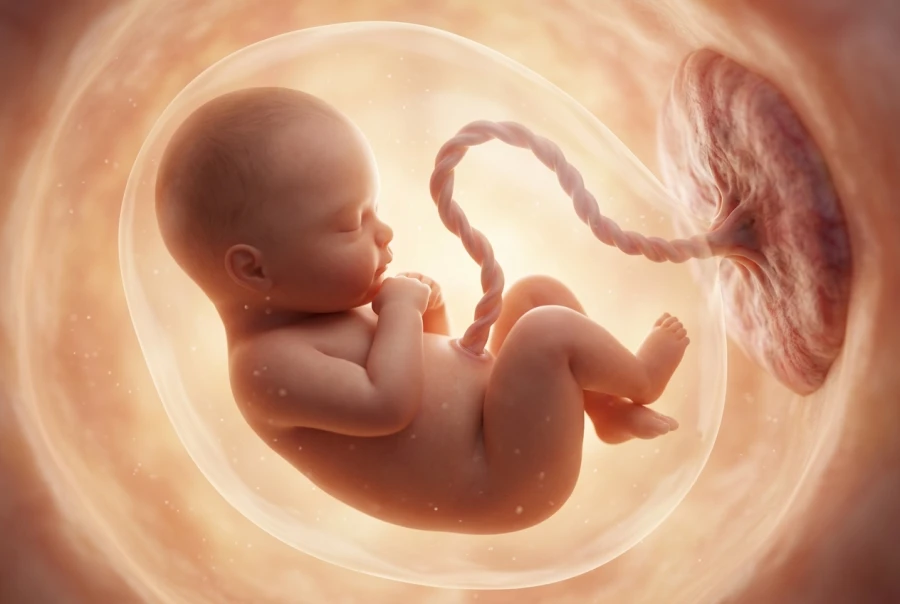 Week 39
39 Weeks Pregnant
At 39 weeks pregnant, birth is very close. The cervix may soften, thin, and shorten, fetal movement should remain familiar, and it is important to know labor signs, water breaking, regular contractions, and when to go to the hospital.
Read week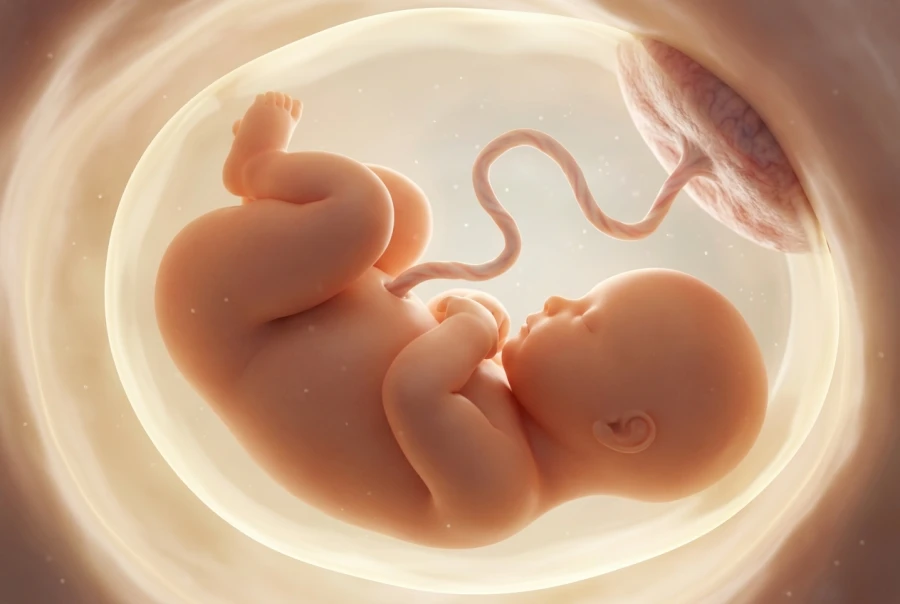 Week 40
40 Weeks Pregnant
At 40 weeks pregnant, you are around your expected due date. Labor may start at any time, and your clinician may discuss fetal monitoring, NST, amniotic fluid, induction, or birth planning if pregnancy continues past the due date.
Read weekMedical note: This guide is educational and does not provide diagnosis or treatment. Symptoms and fetal development vary, and medical follow-up is important, especially in high-risk pregnancy or concerning symptoms.
How pregnancy weeks are counted
Pregnancy age is commonly counted from the first day of the last menstrual period. This is why weeks 1-2 are part of the calculation even before fertilization has occurred.
First Trimester: Weeks 1-12
The early stage of pregnancy, when major fetal systems begin developing and symptoms such as fatigue, nausea, and breast tenderness may appear.
Second Trimester: Weeks 13-27
Energy often improves for some mothers, fetal growth becomes clearer, and fetal movement may become noticeable later in this stage.
Third Trimester: Weeks 28-40
The stage of growth and preparation for birth, when fetal weight increases and closer follow-up becomes important.
Body changes week by week
As pregnancy progresses, changes may include nausea, fatigue, back discomfort, sleep changes, weight gain, or Braxton Hicks contractions later in pregnancy. Severe or unusual symptoms should be reviewed medically.
Pregnancy weeks FAQs
Does the week-by-week page replace medical follow-up?
Does every mother experience the same symptoms each week?
Can tests and services be linked later inside each week?
Pregnancy & Birth Library Stages
Explore library content by the stage most relevant to you.