Lahalak Medical PlatformDifferentiate Care
At 14 weeks pregnant, the second trimester begins. Energy may gradually improve for some women, while the baby continues growing and early facial movements become more developed.
Advertisement
Medical note: This content is educational and does not provide diagnosis or treatment. Severe pain, bleeding, urgent symptoms, high-risk pregnancy, or health concerns should be reviewed by a licensed clinician.
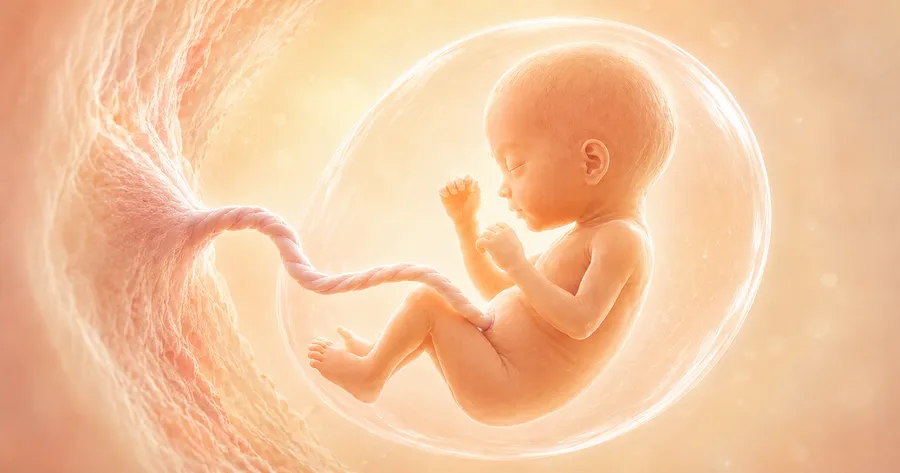
At 14 weeks pregnant, you are entering the second trimester. Some women begin to feel gradual improvement in energy and nausea compared with the earliest weeks. Others still experience fatigue, bloating, constipation, breast tenderness, or nausea, and that can still be within the range of normal pregnancy experiences.
Your waist or abdomen may begin to change, and more comfortable clothing may help. How early you show depends on body shape, previous pregnancies, uterus position, and bloating.
This content is educational only and does not provide a diagnosis or treatment plan. If you have bleeding, severe pain, dizziness, fainting, severe vomiting, fever, abnormal discharge, or concerning symptoms, consult a licensed clinician in Saudi Arabia.
Week 14 is counted from the first day of your last menstrual period, not from the exact day of fertilization. This means the medical pregnancy age is fourteen weeks, while the actual age after fertilization is roughly two weeks shorter.
If you had an early ultrasound, your clinician may use first-trimester measurements to confirm the estimated due date. You can use the pregnancy due date calculator as an initial estimate, while confirming the final date with your clinician.
As the second trimester begins, the uterus continues to grow. You may notice changes in your waistline or how clothes fit. Some women feel more active, while others need more time before symptoms improve.
If nausea or vomiting remains severe, or if you cannot keep fluids down, you may need a nausea and vomiting in pregnancy evaluation.
At 14 weeks, the baby continues growing and maturing. The limbs become more proportionate, the arms continue lengthening, and facial features continue developing.
The baby may make small movements inside the uterus, and facial muscles may produce early expressions such as frowning, squinting, or opening and closing the mouth. You usually cannot feel these movements yet because the baby is still small and movements are light.
At 14 weeks, the baby is much larger than in the early weeks and may be around 10 centimeters long, with weight measured in tens of grams. Normal measurements vary depending on the exact day of pregnancy, dating accuracy, and ultrasound quality.
Measurements should not be interpreted without the menstrual history, earlier ultrasound, and the full clinical picture. If there is a small difference in size, your clinician may recommend follow-up rather than relying on one number alone.
Even though the baby may move inside the uterus, most women do not clearly feel fetal movement at 14 weeks. Movement is usually felt later, and timing differs between a first pregnancy and later pregnancies.
Not feeling movement now is usually expected and is not used by itself to assess pregnancy health at this stage.
You may already have completed some first-trimester ultrasound or screening, and your clinician may now review the next follow-up plan. A pregnancy ultrasound or fetal growth ultrasound may be used depending on your medical situation.
If regular care has not started, week 14 is a good time to arrange second trimester pregnancy follow-up or schedule a prenatal follow-up visit.
As appetite improves for some women, focus on food quality rather than simply eating more. Choose balanced meals with protein, vegetables, fruit, suitable grains, and calcium or iron sources according to your clinician's advice.
The beginning of the second trimester may feel reassuring, but it can also bring anxiety about testing or body changes. A partner can help arrange appointments, share medical questions, and support healthier sleep, meals, and movement habits.
Emotional support is also important if the pregnant mother is unsure when to share the news or is worried about screening results. Do not minimize her feelings just because symptoms may be improving.
After week 14, the baby continues growing and physical changes may become more noticeable. You can continue to 15 weeks pregnant or return to the week-by-week pregnancy guide.
In the month-by-month guide
See the wider monthly context, then return to the more precise weekly detail when needed.
Explore library content by the stage most relevant to you.
Advertisement
Subscribe to our week-by-week pregnancy newsletter
Compare hospitals and prices by city and birth type, then continue to booking with clear steps.