Lahalak Medical PlatformDifferentiate Care
At 13 weeks pregnant, you are nearing the end of the first trimester. Nausea may begin to ease for some women, while your baby continues growing and developing finer details.
Advertisement
Medical note: This content is educational and does not provide diagnosis or treatment. Severe pain, bleeding, urgent symptoms, high-risk pregnancy, or health concerns should be reviewed by a licensed clinician.
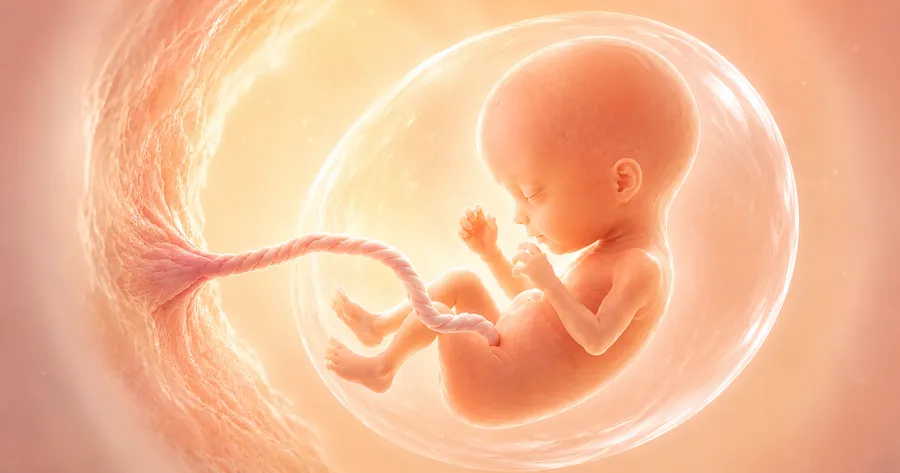
At 13 weeks pregnant, you are approaching the end of the first trimester and the beginning of the second trimester. Some women start to feel gradual relief from nausea and fatigue, while others continue to have symptoms for longer. Both patterns can happen, and symptoms alone cannot confirm whether a pregnancy is progressing normally.
Your baby is continuing to grow, and body proportions are slowly becoming more balanced. The head is still large compared with the body, but it is no longer as dominant as in earlier weeks. Fine details such as fingerprints and soft body hair are also developing.
This content is educational only and does not provide a diagnosis or treatment plan. If you have bleeding, severe pain, dizziness, fainting, severe vomiting, fever, or concerning symptoms, consult a licensed clinician in Saudi Arabia.
Morning sickness may begin to improve for some women as the first trimester ends, but this is not the same for everyone. Existing symptoms may continue, and new symptoms may appear as hormones, digestion, breast tissue, and the uterus continue changing.
Heartburn is common in pregnancy and may increase because hormones affect the digestive tract. At 13 weeks, appetite may improve, but large or heavy meals can still worsen reflux. If symptoms are frequent or disruptive, ask about a heartburn in pregnancy evaluation instead of using medicines or herbal products without advice.
Your baby is growing quickly, and the limbs and face continue becoming more distinct. Body proportions are gradually changing, and tiny details that you cannot feel yet are developing.
At 13 weeks, your baby is often around 9 to 10 centimeters from crown to rump and may weigh several dozen grams. These numbers are approximate and can vary depending on the exact day of pregnancy, measurement method, and ultrasound clarity.
Your clinician or sonographer uses ultrasound measurements together with your last menstrual period and previous follow-up information to estimate gestational age. A small difference in measurement should not be interpreted without the full clinical picture.
Week 13 may fall within an important window for some first-trimester assessments, especially if they were not done earlier. Your clinician may discuss a pregnancy ultrasound or pregnancy dating ultrasound to review growth, dating, location, and whether there is one baby or more.
A nuchal translucency ultrasound NT may also be discussed within its appropriate first-trimester window. Its results are interpreted with gestational age, other screening information, and your medical context, not in isolation.
If first-visit testing is incomplete, your clinician may order basic pregnancy blood and urine tests or discuss screening options. Mentioning a test does not mean it is required for every pregnancy; choices should follow counseling about benefits, limits, and alternatives.
In a low-risk pregnancy, sexual activity may be safe for many couples. However, the right advice depends on your medical situation, including bleeding, pain, cervical issues, placental concerns, or a history of preterm birth. Ask your clinician during your follow-up visit, especially if you have been given specific restrictions or your pregnancy is high risk.
Sexual activity should be avoided and medical advice should be sought if there is unexplained bleeding, fluid leakage, severe pain or cramping, placenta previa or a very low-lying placenta, cervical dilation or cervical weakness, a history of preterm labor, or a sexually transmitted infection in either partner.
Stretch marks may appear on the abdomen, breasts, hips, or buttocks as the skin stretches and weight changes. They cannot always be prevented because genetics, skin elasticity, and the pace of weight change all play a role. Gentle moisturizing can help comfort, but strong treatment creams should not be used during pregnancy without professional advice.
Many women feel better as the first trimester ends, but concerning symptoms should not be ignored. Some warning signs need prompt assessment or emergency care depending on severity.
These symptoms may require an early pregnancy pain or bleeding evaluation or urgent review with an obstetrics and gynecology consultation.
Use the pregnancy due date calculator to review your estimated gestational age, and return to the week-by-week pregnancy guide for earlier and later stages. Next, read about 14 weeks pregnant and the start of a new second-trimester stage.
In the month-by-month guide
See the wider monthly context, then return to the more precise weekly detail when needed.
Explore library content by the stage most relevant to you.
Advertisement
Subscribe to our week-by-week pregnancy newsletter
Compare hospitals and prices by city and birth type, then continue to booking with clear steps.