Your Pregnancy Journey
Postpartum includes physical recovery, breastfeeding, sleep, mental health, newborn care, and follow-up for mother and baby.
This stage is as important as pregnancy and birth because some symptoms may need prompt medical evaluation.
Each topic can be linked to a detailed page later.
Recovery varies by delivery type, stitches or C-section, bleeding, sleep, home support, and general health.
Bleeding, pain, fever, wound status, and movement should be monitored, with help sought for unusual symptoms.
Breastfeeding may take time to learn, with challenges such as nipple pain, engorgement, lack of sleep, or concern about milk supply.
A clinician or lactation consultant can help, especially with severe pain, fever, redness, or feeding difficulty.
Newborn care includes feeding, safe sleep, diaper changes, temperature monitoring, jaundice, and vaccination or screening visits.
Severe lethargy, breathing difficulty, fever, poor feeding, bluish color, or unusual crying needs urgent evaluation.
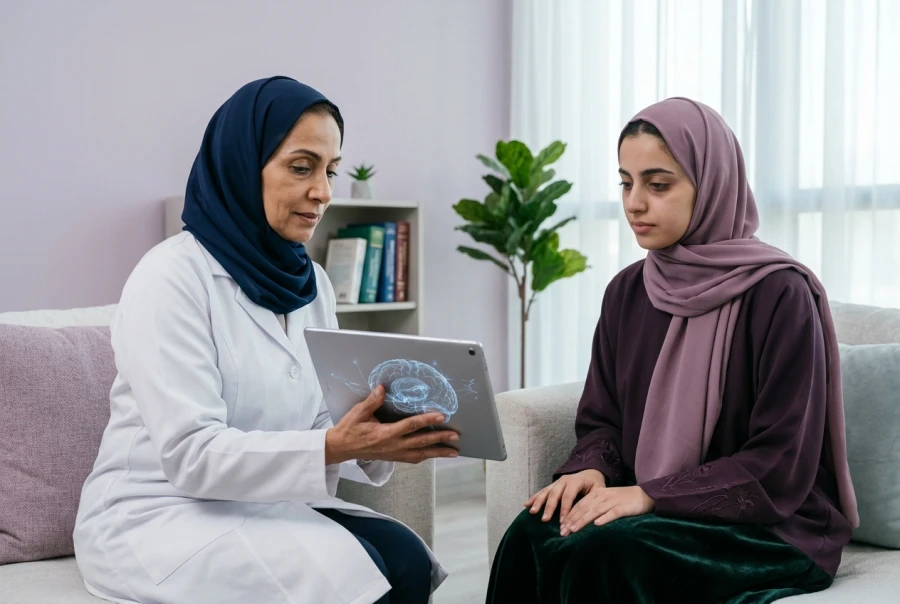
Mood changes can occur after birth, but persistent sadness, severe anxiety, loss of interest, or thoughts of harm to self or baby require immediate help.
Mental health support is not weakness; it is an important part of care for mother and family.
As weeks pass, growth, sleep, feeding, vaccinations, and developmental milestones become key parts of care.
A clinician helps evaluate growth and answer questions, especially with delays or repeated symptoms.
After birth, seek medical or emergency care for heavy bleeding, fever, chest pain or shortness of breath, severe leg pain or swelling, severe headache, seizures, thoughts of self-harm or harm to the baby, or any concerning symptom in mother or newborn.
Subscribe to our week-by-week pregnancy newsletter
Compare hospitals and prices by city and birth type, then continue to booking through clear steps.