Lahalak Medical PlatformDifferentiate Care
At 17 weeks pregnant, your uterus and abdomen continue growing, your baby's hearing develops, fat begins forming under the skin, and back or sciatic pain or allergy symptoms may appear.
Advertisement
Medical note: This content is educational and does not provide diagnosis or treatment. Severe pain, bleeding, urgent symptoms, high-risk pregnancy, or health concerns should be reviewed by a licensed clinician.
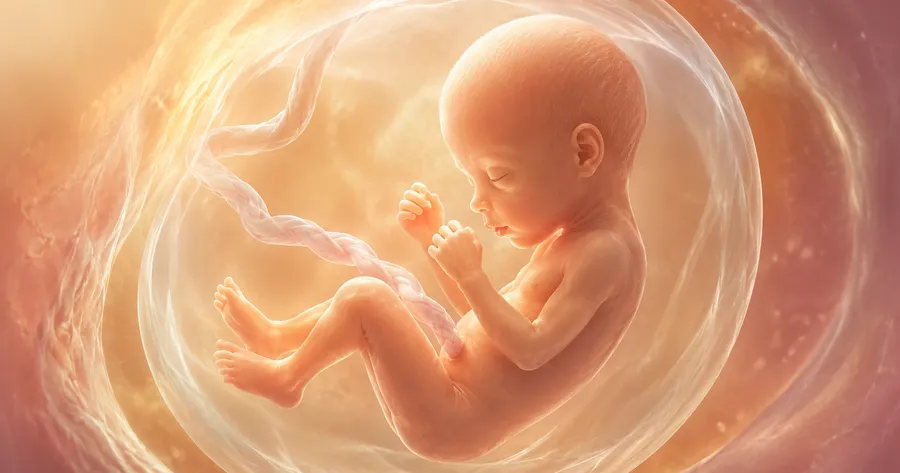
At 17 weeks pregnant, your uterus and abdomen continue to grow more noticeably. As the uterus and baby take up more space, some abdominal organs shift slightly, and you may feel fullness, stretching, or mild pressure in the lower abdomen or sides.
Your baby is also developing quickly. The umbilical cord is becoming stronger, fat begins forming under the skin, and hearing continues developing as the ears settle into a more final position. Some women may notice very light movement around this time, while others will not feel movement for a few more weeks. Both patterns can be normal depending on placenta position, body build, and whether this is a first pregnancy.
This content is educational only and does not provide a diagnosis or treatment plan. If you have bleeding, severe pain, dizziness, fainting, severe vomiting, fever, or concerning symptoms, consult a licensed clinician in Saudi Arabia.
As the uterus grows, it may become easier to notice its shape while standing than while lying down. When lying down, the uterus may fall back toward the spine, making it harder to feel. You do not need to measure your uterus yourself; this can be assessed when needed during a pregnancy follow-up visit.
Pain in the lower back, hip, buttock, or leg may appear and can feel like nerve pain, tingling, or pulling. It may be related to a shifting center of gravity, uterine growth, ligament relaxation, or pressure around the nerves. If it is frequent or limits movement, ask about a back pain or sciatica in pregnancy evaluation.
Some pregnant women notice more nasal congestion, sneezing, or allergy irritation than before pregnancy. Do not start allergy medicines, nasal sprays, or herbal products on your own, even if they are available over the counter, because the best choice depends on your symptoms, medical history, and gestational age.
If allergies affect sleep, breathing, or daily life, ask about an allergy evaluation during pregnancy and pregnancy-appropriate treatment options. Get urgent help for shortness of breath, wheezing, swelling of the face or lips, or symptoms of a severe allergic reaction.
Your baby continues developing features that support growth through the rest of pregnancy. The umbilical cord becomes longer and stronger, continuing to help carry oxygen and nutrients from the placenta, while hearing and body systems continue maturing.
At 17 weeks, your baby is usually around 14 to 15 centimeters long and may weigh close to 100 to 120 grams. These numbers are approximate and can vary with the exact day of pregnancy, measurement method, and ultrasound clarity.
A small difference in size does not automatically mean there is a problem. Your clinician interprets measurements together with gestational age, previous growth, amniotic fluid, placenta position, and your medical history.
Some women feel very light movement at 17 weeks, often described as fluttering, bubbles, or gentle taps, especially if this is not the first pregnancy. Many women do not feel clear movement until later, particularly in a first pregnancy or with an anterior placenta.
At this stage, daily kick counting is not usually expected the way it is later in pregnancy. If you have concerns along with warning signs such as severe pain, bleeding, or later a clear decrease after movements become regular, contact your clinician.
If prenatal care is on track, this period may be used to review earlier results and plan the next steps. A fetal anatomy scan is often planned in the upcoming weeks, usually around mid-pregnancy to assess major fetal structures, but it is not necessarily done at week 17 for every pregnancy.
Mentioning these tests does not mean every pregnant woman needs them. Discuss them during second-trimester pregnancy follow-up with a licensed clinician in Saudi Arabia.
As pregnancy progresses, your body's needs for some nutrients increase, but high doses or combining several supplements without advice can be unsafe. Continue folic acid or pregnancy vitamins as prescribed.
Some women need iron supplements during pregnancy when anemia or low iron stores are present, but the decision should be based on symptoms and test results. Ask for a medication review during pregnancy before using any medicine, supplement, or herbal product.
Many changes at this stage are part of normal pregnancy, but certain symptoms should not be ignored. Do not wait for a routine appointment if concerning signs appear.
These symptoms may require a pregnancy pain or bleeding evaluation or urgent review with an obstetrics and gynecology consultation.
Use the pregnancy due date calculator to review your estimated gestational age, and return to the week-by-week pregnancy guide for earlier and later stages. Next, read about 18 weeks pregnant and preparing for the mid-pregnancy anatomy scan.
In the month-by-month guide
See the wider monthly context, then return to the more precise weekly detail when needed.
Explore library content by the stage most relevant to you.
Advertisement
Subscribe to our week-by-week pregnancy newsletter
Compare hospitals and prices by city and birth type, then continue to booking with clear steps.