Lahalak Medical PlatformDifferentiate Care
During weeks 1 and 2, pregnancy dating starts from the first day of your last menstrual period, while your body prepares for ovulation and the possibility of conception.
Advertisement
Medical note: This content is educational and does not provide diagnosis or treatment. Severe pain, bleeding, urgent symptoms, high-risk pregnancy, or health concerns should be reviewed by a licensed clinician.
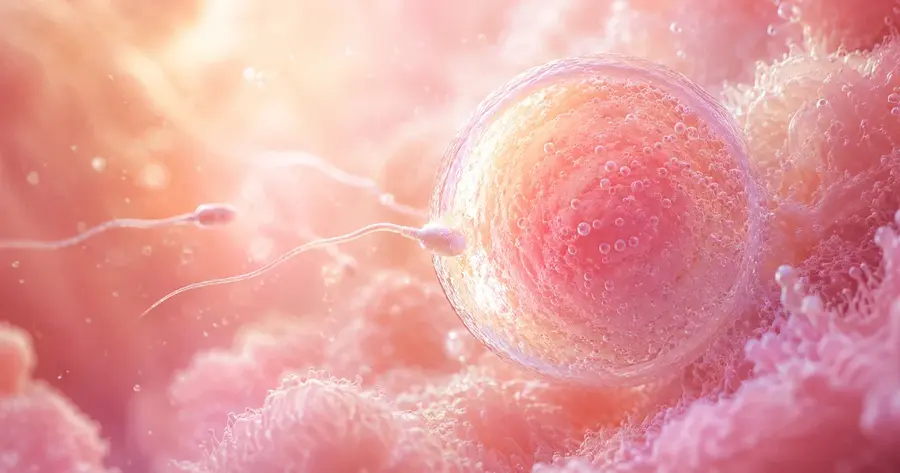
It can feel confusing to be called 1 or 2 weeks pregnant when pregnancy may not have happened yet. Medically, pregnancy dating starts from the first day of your last menstrual period, not from the exact day of fertilization.
During this stage, your body is preparing. Your period starts, then the uterus gradually prepares for the possibility of a fertilized egg if ovulation occurs and sperm meets the egg at the right time.
This content is educational only and does not provide a diagnosis or treatment plan. If you are planning pregnancy, have a chronic condition, or take regular medication, consult a licensed clinician in Saudi Arabia.
In medical care, pregnancy is counted from the first day of the last menstrual period. This means the calculated pregnancy age may be about two weeks ahead of the baby's actual developmental age. This method helps clinicians organize follow-up visits, ultrasound timing, and testing in a consistent way.
Pregnancy usually lasts around 40 weeks from the last menstrual period, but the estimated due date remains an estimate and may be adjusted based on an early ultrasound or cycle regularity.
You can use the pregnancy due date calculator to estimate your due date, then confirm it later with your clinician based on your individual case.
Your body begins the menstrual cycle, then prepares for ovulation. During ovulation, a mature egg leaves the ovary and moves through the fallopian tube, where fertilization may happen if sperm is present at the right time.
In most cases, there is no embryo yet in week 1, and week 2 is usually close to the time of ovulation. That is why the focus at this stage is understanding fertility timing and preparing for a healthy possible pregnancy.
If fertilization happens later, the earliest cells begin dividing and the fertilized egg moves toward the uterus over the following days.
You can track your cycle from the first day of bleeding to the first day of the next period. If your cycle is regular, this can help estimate the fertile window, which is the time when pregnancy is more likely.
You can use the ovulation calendar to estimate fertile days based on your last period and cycle length. The result remains an estimate, especially if your cycles are irregular.
This is a good time for a preconception consultation and a review of your lifestyle before pregnancy. Every woman does not need the same plan, so advice should be personalized based on age, medical history, medication use, weight, and cycle pattern.
Preparing for pregnancy is not only the mother's responsibility. A man's health and lifestyle can affect sperm quality and the chance of pregnancy. Nutrition, sleep, physical activity, and avoiding smoking or harmful substances can all matter.
If there has been a delay in conception, chronic illness, or medication use, it may be appropriate to speak with a clinician and evaluate both partners, not only one.
After this stage, the focus moves toward possible fertilization and implantation, which is covered in week 3 of pregnancy. You can also return to the pregnancy week-by-week guide to follow the full journey.
In the month-by-month guide
See the wider monthly context, then return to the more precise weekly detail when needed.
Explore library content by the stage most relevant to you.
Advertisement
Subscribe to our week-by-week pregnancy newsletter
Compare hospitals and prices by city and birth type, then continue to booking with clear steps.