Lahalak Medical PlatformDifferentiate Care
At 3 weeks pregnant, ovulation, fertilization, and early implantation may occur, while the first cells begin dividing and pregnancy symptoms may still be absent.
Advertisement
Medical note: This content is educational and does not provide diagnosis or treatment. Severe pain, bleeding, urgent symptoms, high-risk pregnancy, or health concerns should be reviewed by a licensed clinician.
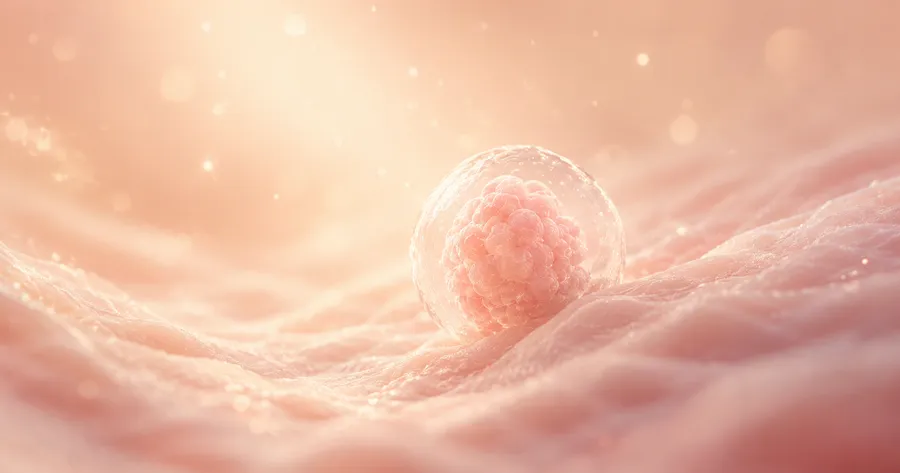
During the third week of pregnancy, ovulation may occur, followed by fertilization if sperm meets the egg at the right time. The first cells then begin dividing and may start moving toward the uterus in preparation for implantation.
At this stage, many women do not know they are pregnant yet, and symptoms may be absent. It is normal not to feel major changes even while important early steps are happening inside the body.
This content is educational only and does not provide a diagnosis or treatment plan. If you have severe pain, bleeding, dizziness, a history of ectopic pregnancy, or regular medication use, consult a licensed clinician in Saudi Arabia.
Like the rest of pregnancy, week 3 is counted from the first day of your last menstrual period, not from the exact day of fertilization. This means your medical pregnancy age may be ahead of the actual developmental age after conception.
If your cycle is regular, week 3 may be close to ovulation or shortly after it. If your cycles are irregular, the timing can be harder to estimate without medical guidance.
You can use the ovulation calendar to estimate fertile days, or the pregnancy due date calculator to estimate your due date once pregnancy is confirmed.
During ovulation, a mature egg leaves the ovary and moves through the fallopian tube. If sperm is present at the right time, fertilization may happen inside the tube.
After fertilization, the first cell begins dividing while moving toward the uterus. In the following days, early implantation into the uterine lining may begin.
At this stage, pregnancy is still at the earliest cellular level. The cells divide quickly and form an early structure called a blastocyst. Some of these cells will later contribute to the placenta, which supports the pregnancy as it grows.
Around implantation, the body gradually begins producing hCG, the pregnancy hormone detected by pregnancy tests. However, hCG may still be too low to show on a test during this week.
If clinically needed, your clinician may use a quantitative Beta-hCG test or a blood pregnancy test to monitor early pregnancy, especially with a late period, bleeding, pain, or a medical history that needs closer follow-up.
In many cases, it is still too early for a reliable result on a home pregnancy test. Some tests may detect pregnancy shortly before a missed period, but an early negative result does not always rule out pregnancy.
When unsure, it is usually better to wait until your period is due or delayed, or ask your clinician about the best time for a quantitative Beta-hCG test.
At week 3, pregnancy is extremely small and still looks like a tiny group of cells rather than a recognizable baby. A visible embryo is not usually expected on ultrasound at this stage.
Your clinician may discuss an early pregnancy ultrasound later if there is pain, bleeding, an unusual hCG pattern, or a medical need to confirm the pregnancy location.
Even if pregnancy is not confirmed yet, it is wise to act as if pregnancy is possible, especially if you are trying to conceive or there is a chance of pregnancy.
Anxiety or excitement may start early, even before pregnancy is confirmed. Calm support, reducing pressure, and sharing questions with a clinician when needed can make this stage easier.
It is also useful for the partner to care for his health and lifestyle, because preparing for pregnancy and family care is a shared responsibility.
After week 3, you may be getting closer to a missed period or a positive pregnancy test. You can continue to week 4 of pregnancy or return to the pregnancy week-by-week guide.
In the month-by-month guide
See the wider monthly context, then return to the more precise weekly detail when needed.
Explore library content by the stage most relevant to you.
Advertisement
Subscribe to our week-by-week pregnancy newsletter
Compare hospitals and prices by city and birth type, then continue to booking with clear steps.