Getting Pregnant
Fertility
A focused guide to fertility, ovulation, the fertile window, couple preconception health, and when a preconception visit or fertility consultation may be useful.
What does fertility mean?
fertility is the ability of a couple to achieve pregnancy when the key factors are present: ovulation, sperm capable of fertilization, timing near the fertile window, and a uterine environment that can support early pregnancy.
Fertility is not only about the woman. Both partners' health can affect pregnancy chances, so planning for pregnancy is best approached as a shared health stage that includes lifestyle, medicines, chronic conditions, and timing.
This page focuses on understanding fertility and supporting it in a realistic, medically safe way without quick promises or unreliable remedies.
Ovulation and the fertile window
ovulation happens when a mature egg is released from the ovary. Pregnancy is more likely in the days around this time, but ovulation can shift from month to month, even in women whose cycles are usually close to regular.
The fertile window refers to the days when pregnancy is more likely. Knowing this window can help with timing, but it does not guarantee pregnancy because several couple-related factors are involved.
Regular and irregular cycles
Regular cycles can make ovulation easier to estimate, but they do not prove that all fertility factors are normal. With irregular cycles, ovulation timing can be harder to predict and may sometimes point to a hormonal issue that needs review if it is repeated or accompanied by other symptoms.
Tracking cycle dates for several months can help if medical advice is needed, because it gives the clinician a clearer picture of the pattern.
Couple health before pregnancy
couple preconception health is more than taking a supplement or counting ovulation days. It includes chronic conditions, medicines, weight, smoking, sleep, nutrition, emotional wellbeing, and sperm health.
If diabetes, high blood pressure, thyroid disease, epilepsy, heart disease, autoimmune disease, or regular medicines are present, preconception review can help reduce risk and organize a safer plan.
Preconception visit
A preconception visit can review medical history, medicines, supplements, vaccinations, lifestyle, and any previous pregnancy concerns. It can also help decide which tests are relevant instead of ordering random panels.
This visit is especially useful with chronic disease, previous high-risk pregnancy, recurrent miscarriage, previous ectopic pregnancy, or medicines that need review before pregnancy.
Timing intercourse without too much pressure
An ovulation calculator may help estimate fertile days when cycles are regular, but it should not be used alone for irregular cycles. For many couples, regular intercourse around the fertile window is enough without turning trying to conceive into daily pressure.
If tracking ovulation creates repeated anxiety, simplifying the plan or seeking advice may be more helpful than monitoring every sign intensely.
Male fertility and sperm health
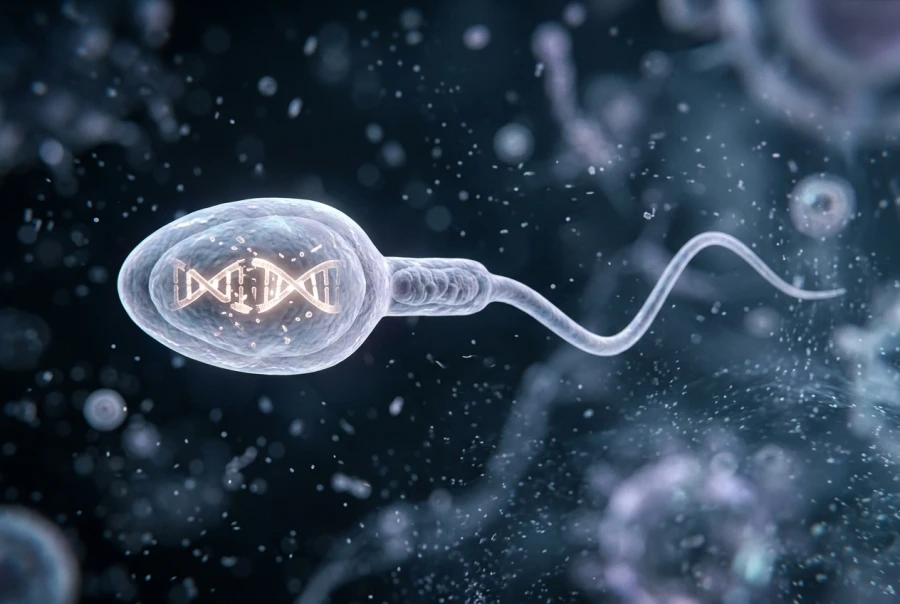
Fertility is shared. Sperm health may be affected by smoking, obesity, some medicines, repeated heat exposure, varicocele, or some medical conditions. When delayed conception becomes clear, a semen analysis can be an early and useful part of couple assessment.
Ordering the test does not mean a problem is certain. It helps avoid focusing the evaluation on the woman alone, because contributing factors may involve either partner or both.
Supplements and lifestyle
One common preconception step is discussing folic acid before pregnancy with a clinician or pharmacist, especially if regular medicines or medical history may require a different dose from general guidance.
Balanced nutrition, reducing smoking exposure, enough sleep, appropriate physical activity, and gradual movement toward a healthy weight can support general health before pregnancy. No supplement or mixture can guarantee pregnancy.
When should you seek fertility advice?
A delayed conception consultation is usually appropriate after 12 months of regular intercourse without contraception if the woman is younger than 35, and after 6 months if she is 35 or older.
Advice may be needed earlier with irregular cycles, absent periods, chronic pelvic pain, endometriosis, recurrent miscarriage, previous ectopic pregnancy, previous fertility treatment, or a known male factor.
A practical summary
Understanding fertility starts with ovulation and the fertile window, but it does not end there. The safest path is to support both partners' health, review important medical factors, time intercourse without excessive pressure, and seek organized assessment if conception is delayed or risk factors are present.
Fertility FAQs
Is fertility only related to the woman?
No, fertility involves both partners.Pregnancy needs ovulation, sperm capable of fertilization, timing near the fertile window, and reproductive health factors that may involve either partner.
Do regular cycles mean fertility is normal?
Regular cycles are reassuring, but they are not the whole picture.Other factors may include sperm health, fallopian tubes, the uterus, age, general health, and medical history.
Can I rely only on an ovulation calculator?
It is an estimate, not confirmation of ovulation.It can be useful with regular cycles, but it is less reliable when cycles are irregular or changing from month to month.
When is a preconception visit useful?
It is useful before pregnancy or early in planning, especially with risk factors.It is especially important with chronic disease, regular medicines, previous high-risk pregnancy, recurrent miscarriage, or previous ectopic pregnancy.
Is folic acid important before pregnancy?
Yes, it is commonly discussed as part of preconception care.Many women need folic acid before pregnancy and in the early weeks, but the dose can vary depending on medical history and medicines, so a clinician or pharmacist can advise.
When should I seek fertility advice if pregnancy has not happened?
Usually after 12 months if younger than 35, and after 6 months if 35 or older.Advice may be needed earlier with irregular cycles, pelvic pain, recurrent miscarriage, previous ectopic pregnancy, fertility treatment history, or a known male factor.
Pregnancy & Birth Library Stages
Explore library content by the stage most relevant to you.




Loading related articles
Loading related services
Follow LahaLak pregnancy and fertility content
Subscribe for reliable health content that helps you understand pregnancy planning, early pregnancy, and ongoing care.
Booking step
Ready to choose the right maternity package?
Compare hospitals and prices by city and birth type, then continue to booking with clear steps.