
Lahalak Medical PlatformDifferentiate Care
Learn about pregnancy chances after 35, when to start fertility testing for couples, the role of ovarian reserve, and essential medical steps.
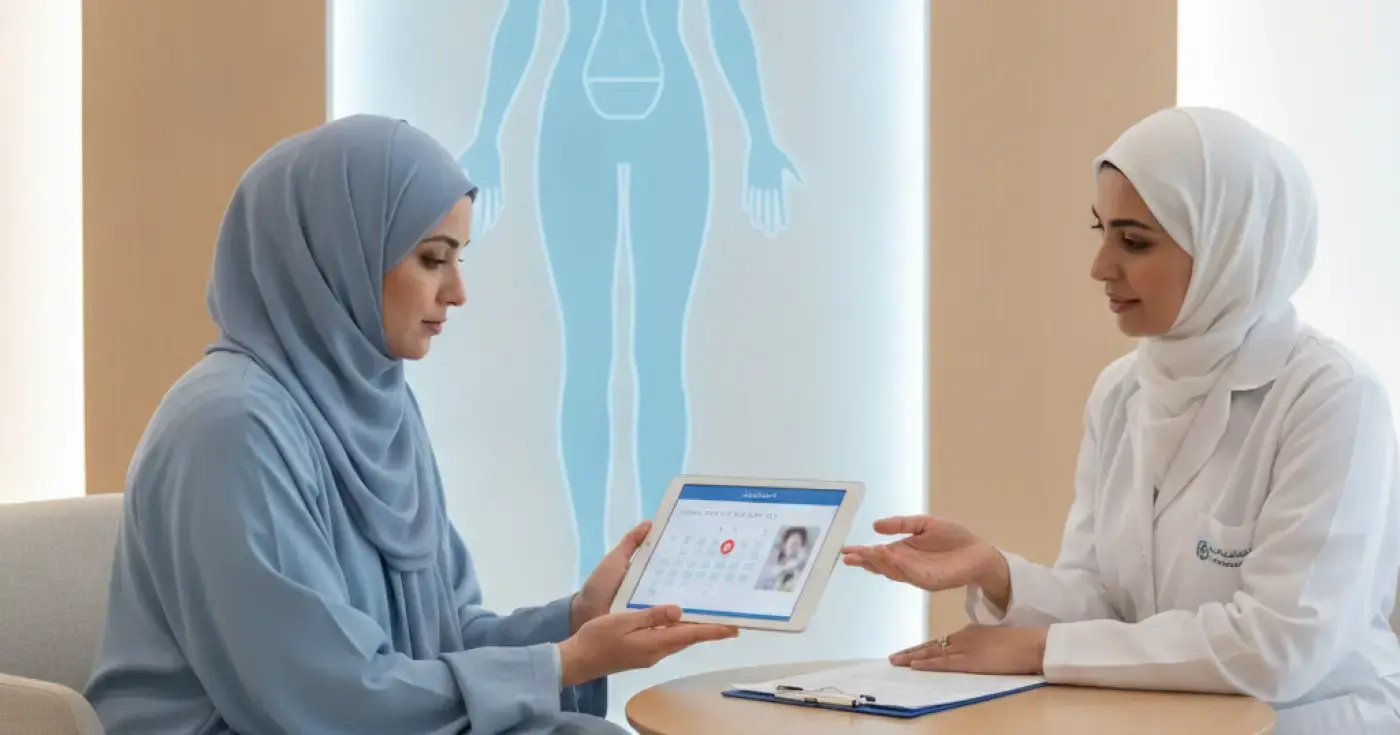
Advertisement
Yes, absolutely. Women can naturally conceive and give birth to healthy babies after the age of 35. From a medical standpoint, age 35 is not a sudden biological cliff or an immediate drop in reproductive capacity. Rather, it is a statistical milestone indicating that fertility begins to decline at a more gradual, continuous rate. The chances of pregnancy after 35 remain very good for many women, with the majority successfully conceiving naturally within the first year of regular trying. However, understanding these natural biological changes helps in making informed, science-based decisions without unnecessary anxiety or delay.
A woman is born with a finite number of eggs in her ovaries, which naturally and gradually decrease throughout her reproductive years. At around age 35, this natural process accelerates, affecting two main aspects:
It is crucial to emphasize that this is a continuous biological process rather than a sudden event that occurs overnight on a woman's 35th birthday. Therefore, early medical evaluation aims to optimize the golden window of opportunity and avoid prolonged waiting.
The following table outlines the primary factors affecting fertility, how they change with age, and how they are medically evaluated:
| Factor | What Changes with Age | Can It Be Measured? |
|---|---|---|
| Egg Quantity (Reserve) | Gradually declines, accelerating after age 35. | Yes, via تحليل AMH ومخزون المبيض and Antral Follicle Count (AFC) ultrasound. |
| Egg Quality | Quality decreases, with an increase in chromosomal abnormalities. | No, there is currently no direct laboratory test to measure egg quality. |
| Ovulation Regularity | Cycles may occasionally become anovulatory closer to perimenopause. | Yes, via ovulation tracking ultrasound or progesterone testing. |
| Uterine & Tubal Health | Increased likelihood of uterine fibroids or endometriosis. | Yes, via hysterosalpingography (HSG) or 3D ultrasound. |
| Male Factor | Semen quality and sperm motility may gradually decline after age 40-45. | Yes, via a standard تحليل السائل المنوي. |
A regular menstrual cycle is an excellent indicator of consistent, periodic ovulation. However, regular periods do not provide a complete picture of fertility. They do not measure the quality of the remaining eggs, guarantee that the fallopian tubes are open, or reflect the quality of the partner's sperm. Therefore, regular periods should not be relied upon as definitive proof that a fertility evaluation is unnecessary if pregnancy is delayed.
The time required to conceive varies from one woman to another based on several overlapping factors. A physician cannot provide a personalized success rate based on age alone, as the following factors play a critical role:
International and local medical societies recommend starting a consultation with a specialist in الخصوبة والعقم according to the following timeline:
Furthermore, couples should not wait and should seek an immediate evaluation regardless of age if any of the following risk factors are present:
A fertility evaluation must be conducted as a joint process involving both partners in parallel. It typically includes:
Anti-Müllerian Hormone (AMH) testing and Antral Follicle Count (AFC) via ultrasound are excellent tools for estimating the quantity of remaining eggs and predicting ovarian response to fertility treatments. However, their medical limitations must be understood:
There is no single panel of hormone tests that fits every patient. A physician tailors hormonal evaluations based on the patient's clinical presentation, symptoms, and menstrual cycle phase. Tests may include Follicle-Stimulating Hormone (FSH), Estradiol (E2), thyroid hormones, prolactin, and progesterone levels in the luteal phase to confirm ovulation quality.
Engaging in التخطيط ما قبل الحمل after age 35 involves taking proactive health measures to ensure a safe and healthy pregnancy journey:
Egg freezing is a medical technology that allows women to preserve their fertility for medical or personal reasons. The success rate of this procedure depends heavily on the woman's age and ovarian reserve at the time of freezing. It is important to discuss this option with a specialist to understand realistic expectations and technical limitations without exaggerated promises, in accordance with applicable medical and ethical guidelines.
Once pregnancy is confirmed, the essential next step is to begin early and regular prenatal care with an obstetrician-gynecologist. Early متابعة الحمل allows for timely discussions regarding early genetic screening options to ensure fetal well-being, as well as monitoring maternal vital signs to proactively manage any potential complications and ensure a safe pregnancy.
To help guide your next steps, consider the following recommendations based on your current situation:
Short answers that help clarify the key points related to this article.
Advertisement
Helpful services
Subscribe for new educational pregnancy and birth content from LahaLak.
Compare hospitals and prices by city and birth type, then continue to booking with clear steps.
From LahaLak guide

Medical article
A comprehensive medical guide on female fertility signs, the role of ovulation, and what symptoms cannot prove regarding reproductive health.
Read article
Medical article
Learn about the link between high prolactin and delayed pregnancy, test preparation, normal ranges, and when a prolactin test is actually needed.
Read article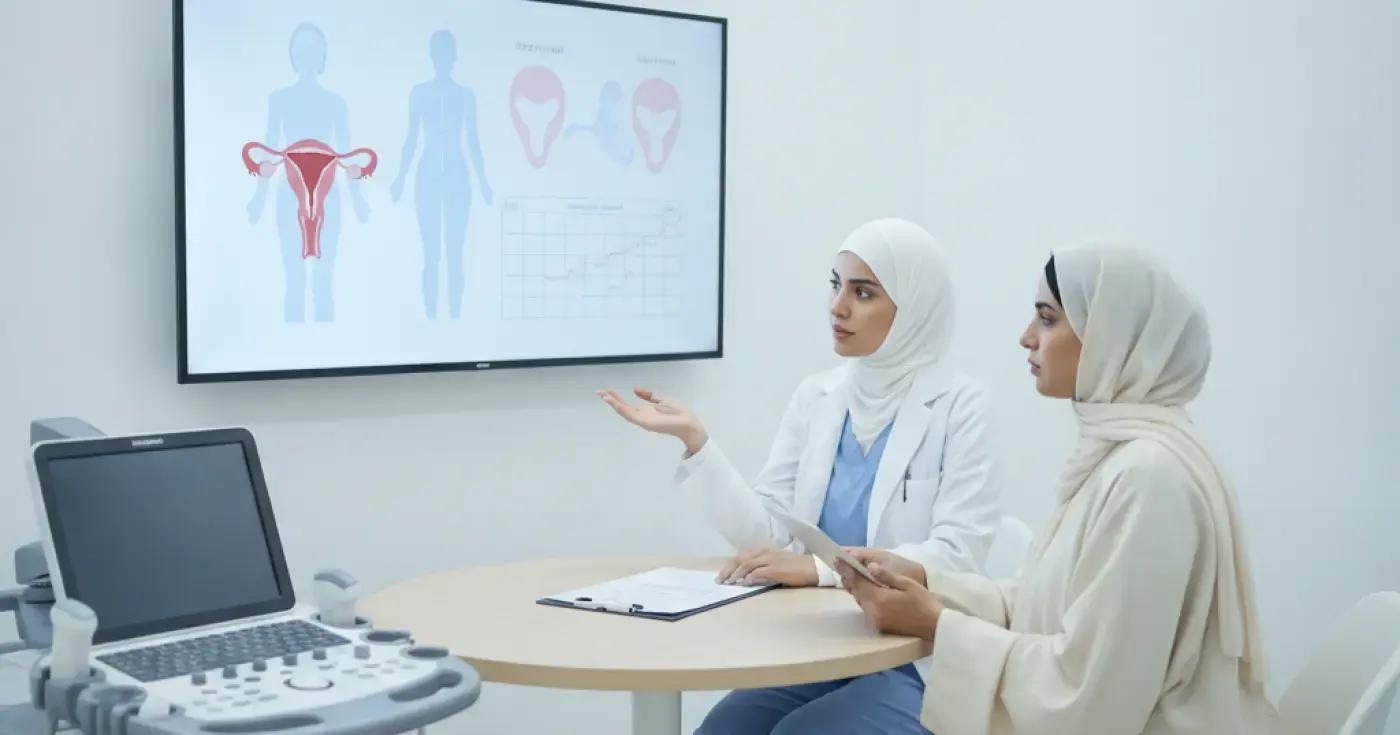
Medical article
Learn the signs of weak ovulation, the truth about Day 21 progesterone tests, and clinical methods like ultrasound to evaluate fertility accurately.
Read articleConnected next steps
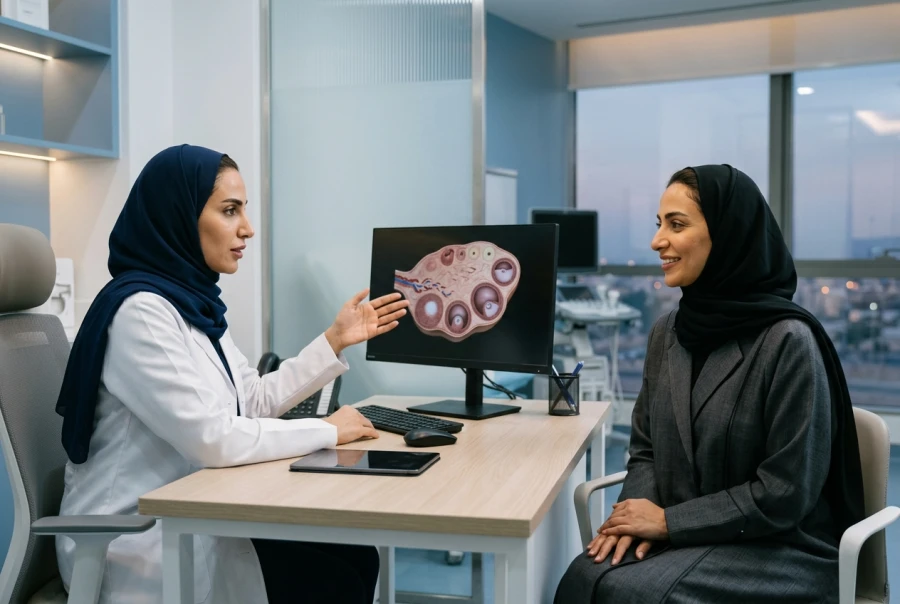 Serial Follicular Tracking UltrasoundPrecise tracking to monitor follicle growth and determine the optimal timing for conception.
 Sperm DNA Fragmentation Index (DFI) TestUncover hidden causes of infertility with a precise evaluation of sperm DNA quality, helping specialists choose the most effective treatment protocol to enhance your chances of successful conception.
 Follicle-Stimulating Hormone (FSH) TestAccurate assessment of ovarian reserve in women and sperm production in men, helping identify causes of puberty disorders and infertility for better family planning.