
Lahalak Medical PlatformDifferentiate Care
A comprehensive medical guide on female fertility signs, the role of ovulation, and what symptoms cannot prove regarding reproductive health.

Advertisement
Many women search for a clear answer to the common question, "How do I know if my fertility is good?" The accurate and responsible medical answer is that there is no single home test or self-symptom that can definitively prove fertility or guarantee pregnancy 100%. Regular menstrual cycles and typical ovulation signs are positive indicators of ovarian activity, but actual conception is a complex biological process that depends on multiple factors, including maternal age, timing of intercourse, uterine cavity health, fallopian tube patency, egg quality, and male reproductive factors.
Fertility is the biological capacity to conceive and carry a healthy pregnancy. Many mistakenly believe that fertility only means the ovary's ability to release an egg monthly. However, from a clinical perspective, ovulation is just one step in a long, integrated chain. For pregnancy to occur successfully, several conditions must be met:
Therefore, focusing on ovulation alone as the sole measure of fertility is an inaccurate simplification of the reproductive system, highlighting the importance of understanding fertility & infertility as a shared journey for both partners.
Terms like "signs of high fertility" are common search queries. Clinically, there is no medical term called "high fertility" based on physical symptoms. Fertility is a normal, balanced functional state; either the reproductive system functions properly, or there are challenges requiring evaluation. Physical signs indicate normal hormonal activity but do not guarantee egg quality or internal anatomical health.
The question "Does a regular period mean fertility?" is highly common. The scientific answer is yes, partially, but not absolutely.
A regular menstrual cycle lasting between 21 and 35 days is a strong indicator of ovulatory cycles. However, regular periods do not prove the patency of the fallopian tubes, nor do they rule out uterine abnormalities or guarantee egg quality, which is directly affected by age. In some cases, a woman may have perfectly regular cycles but experience blocked tubes or male factor issues, leading to delayed conception.
A woman can identify physiological signs preceding ovulation, known as How Conception Occurs & The Fertility Window. These signs include:
Cervical secretions change under the influence of rising estrogen levels as ovulation approaches. These secretions become clear, wet, and stretchy, resembling raw egg whites. This type of mucus protects sperm and facilitates its movement through the cervix.
A home ovulation test detects the sudden surge of luteinizing hormone (LH) in urine, which typically occurs 24 to 36 hours before the egg is released. This is a helpful tool to identify the most fertile days.
Some women experience mild pain or twinges on one side of the lower abdomen. This is known as ovulation pain, caused by the stretching of the follicle wall or mild irritation of the abdominal lining by fluids released during ovulation.
The following table illustrates the differences between various indicators and their clinical limitations:
| Sign / Tool | What It May Mean | Clinical Limitations |
|---|---|---|
| Stretchy Cervical Mucus | Rising estrogen and approaching ovulation. | Can be affected by vaginal infections or medications; does not confirm actual egg release. |
| Home LH Test | The hormonal surge triggering ovulation. | Can give false positives in conditions like PCOS without actual ovulation. |
| Basal Body Temperature (BBT) | Retrospective confirmation of ovulation due to progesterone. | Affected by sleep disturbances, stress, or illness; does not predict the fertile window in advance. |
| Ovulation Pain | Approximate indicator of ovarian activity. | Not experienced by all women; can be confused with gastrointestinal pain. |
| Period Tracking Apps | Estimated ovulation date based on previous cycles. | Relies on mathematical averages; highly inaccurate if cycle length varies. |
It is crucial to distinguish between tools that predict approaching ovulation and those that confirm it retrospectively. For instance, BBT rises slightly after ovulation has already occurred, meaning the fertile window is closing. Conversely, LH tests predict the surge but do not guarantee that the follicle will rupture and release the egg, particularly in women with PCOS, where LH levels can remain elevated without ovulation.
Essential aspects of fertility remain completely hidden and cannot be detected by home monitoring, including:
Maternal age is the most critical factor determining reproductive capacity and egg quality. Fertility begins to decline gradually after age 30, with a more pronounced decline after 35, and accelerates after 40. This is a natural physiological process and does not mean pregnancy is impossible, but rather that monthly conception chances decrease, requiring timely medical consultation when planning pregnancy later in life.
Requesting fertility tests without clinical indication is not recommended. A prime example is the AMH & Ovarian Reserve Test. Women should understand that AMH reflects the quantity of remaining eggs but does not measure egg quality, nor does it predict natural pregnancy on its own. A woman with low AMH can have high-quality eggs and conceive naturally, while someone with high AMH (as in PCOS) may face difficulties due to lack of ovulation. Therefore, routine screening without medical indication is discouraged.
A medical evaluation is recommended in the following scenarios, which may indicate underlying hormonal or anatomical challenges:
According to clinical guidelines in Saudi Arabia, the timing for seeking specialist evaluation depends on age and duration of regular unprotected intercourse:
There is no standard "one-size-fits-all" fertility panel. A specialist tailors the diagnostic plan based on the couple's history, which may include:
Obsessively tracking ovulation signs and daily temperatures and using urine tests can lead to high levels of anxiety. Chronic stress can negatively impact the hormones regulating ovulation and reduce libido. It is highly recommended to track cycles in a relaxed manner and focus on a healthy lifestyle, including balanced nutrition, adequate sleep, and moderate exercise.
Knowing if your fertility is good cannot be determined by home tracking alone. Regular periods and ovulation signs are excellent indicators of general and hormonal health, but they do not guarantee complete fertility. If you are planning a pregnancy, focus on a healthy lifestyle, regular intercourse during the fertile window, and consult a specialist if you meet any of the criteria for evaluation or based on your age, ensuring personalized and safe medical care.
Short answers that help clarify the key points related to this article.
Advertisement
Helpful services
Subscribe for new educational pregnancy and birth content from LahaLak.
Compare hospitals and prices by city and birth type, then continue to booking with clear steps.
From LahaLak guide

Medical article
Learn about the link between high prolactin and delayed pregnancy, test preparation, normal ranges, and when a prolactin test is actually needed.
Read article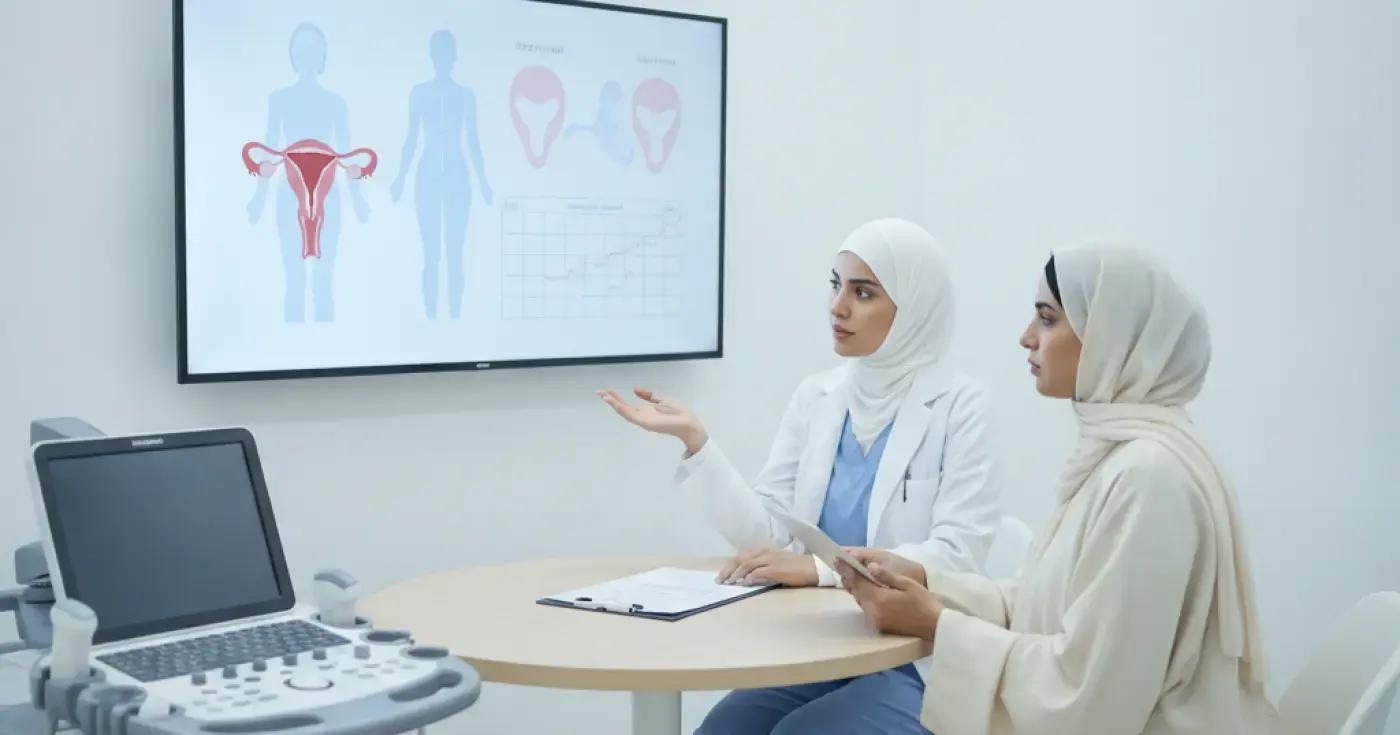
Medical article
Learn the signs of weak ovulation, the truth about Day 21 progesterone tests, and clinical methods like ultrasound to evaluate fertility accurately.
Read article
Medical article
A comprehensive medical guide on female fertility tests, explaining hormonal investigations, precise menstrual cycle timing, and ovarian reserve.
Read articleConnected next steps
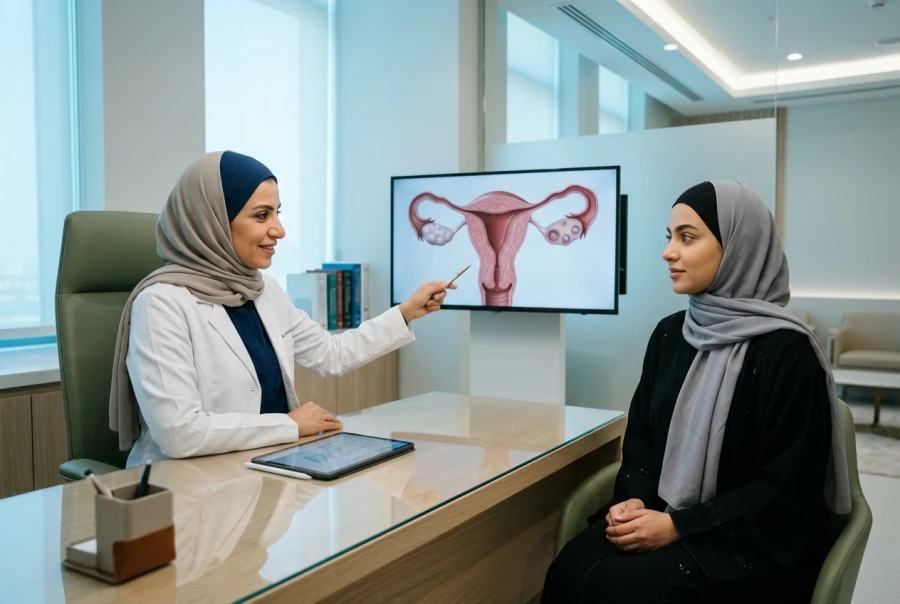 Ovarian Reserve Assessment and Fertility ProfileUnderstand your reproductive potential today for a better tomorrow. This comprehensive profile provides accurate insights into your egg reserve, helping you make informed decisions about future motherhood with confidence.
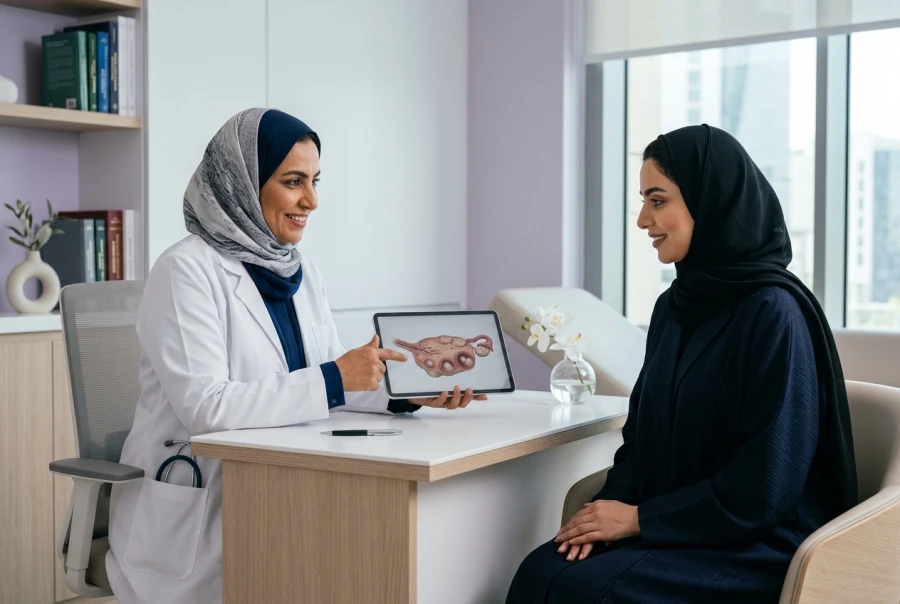 Anti-Müllerian Hormone (AMH) TestThe AMH test provides an accurate assessment of your ovarian reserve, helping you plan for pregnancy and understand your fertility potential effectively, whether planning for a family or monitoring reproductive health.
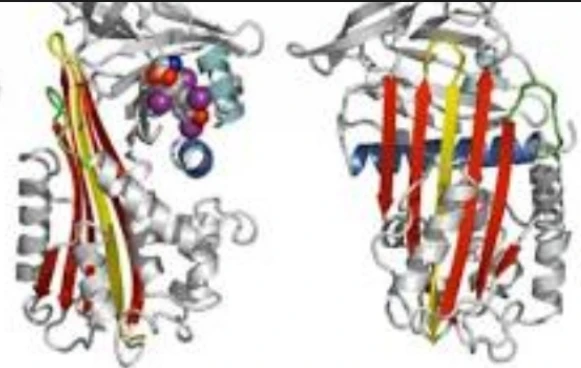 Sex Hormone-Binding Globulin (SHBG) TestEssential analysis to evaluate the balance of active sex hormones, aiding in diagnosing fertility issues, hair loss, and libido disorders for both men and women.
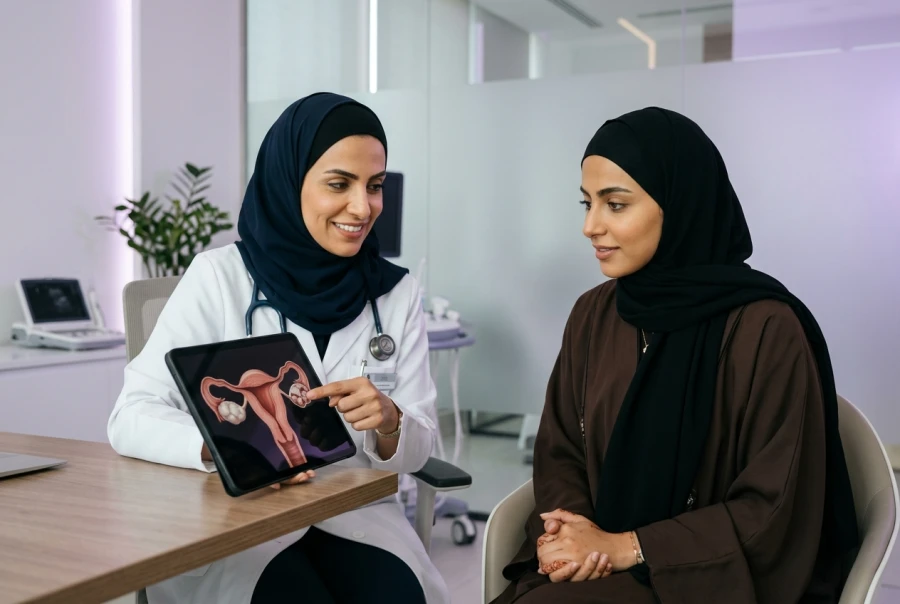 Anti-Müllerian Hormone (AMH) TestThe AMH test provides a precise evaluation of your ovarian reserve and reproductive potential, offering clear insights into your hormonal health and future family planning with confidence.