
Lahalak Medical PlatformDifferentiate Care
Learn the signs of weak ovulation, the truth about Day 21 progesterone tests, and clinical methods like ultrasound to evaluate fertility accurately.
Advertisement
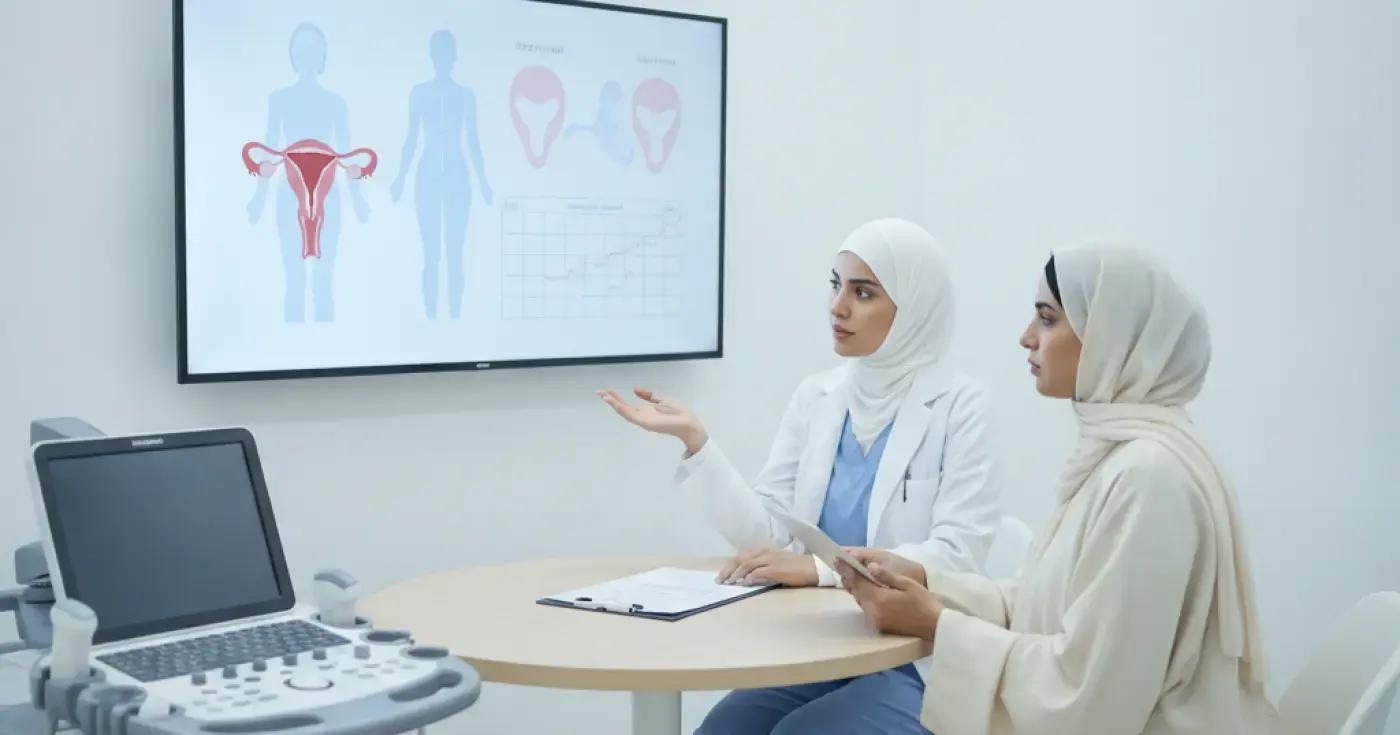
When planning for pregnancy, understanding fertility and ovulation quality is a primary concern for many women. From a clinical perspective, there is no home-based sign or test that proves the "strength" of ovulation or guarantees egg quality. However, irregular menstrual cycles or their complete absence are strong indicators of potential ovulatory dysfunction. While many women look for physical symptoms to track their fertility, a comprehensive medical evaluation remains the only reliable way to diagnose hormonal or functional ovarian issues.
In non-medical terms, "weak ovulation" is commonly used to describe fertility challenges. However, medical professionals prefer precise terms such as ovulatory dysfunction, oligoovulation (infrequent ovulation), or anovulation (absence of ovulation). Ovulatory dysfunction means the ovaries do not produce or release eggs regularly. This is one of the leading causes of female infertility, but fortunately, it is also one of the most treatable conditions when properly diagnosed by a specialist.
Several physical and physiological signs may suggest an ovulation disorder, warranting a clinical consultation to evaluate fertility and infertility:
Many women track ovulation at home using methods like cervical mucus monitoring, basal body temperature (BBT) charting, or luteinizing hormone (LH) urine test kits. It is crucial to understand the difference between predicting the approach of ovulation and confirming that ovulation actually took place. Home methods help estimate the fertile window to time intercourse but do not provide definitive proof of a successful egg release, egg quality, or the corpus luteum's ability to support an early pregnancy.
Generally, a regular menstrual cycle lasting between 21 and 35 days is a strong indicator of consistent ovulatory cycles. In most cases, a woman with regular cycles who is trying to conceive does not need routine hormone testing or ultrasound tracking unless pregnancy is delayed for over a year (or 6 months if she is 35 or older). However, rare conditions like Luteinized Unruptured Follicle Syndrome (LUFS) can occur, where a follicle matures but fails to release the egg, proving that cycle regularity is not an absolute guarantee of ovulation.
The following table outlines the key differences between various home and clinical methods used to track and evaluate ovulation:
| Method Used | What It Measures Accurately | Does It Confirm Ovulation? | When Is It Clinically Useful? |
|---|---|---|---|
| Cervical Mucus Monitoring | Estrogen rise and approaching ovulation | No, it does not confirm release. | For identifying fertile days at home |
| LH Urine Test Strips | The LH surge preceding ovulation by 24-36 hours | No, it does not guarantee egg release. | For timing intercourse in regular cycles |
| Serum Progesterone Test | Corpus luteum activity after presumed ovulation | Yes, it supports proof of recent ovulation. | When evaluating unexplained infertility |
| Transvaginal Ultrasound | Follicle growth, endometrial thickness, and rupture signs | Provides strong indirect evidence | During ovulation induction and treatment monitoring |
A serum progesterone test is one of the most valuable clinical tools to confirm ovulation. However, a common misconception involves its timing, often referred to as the "Day 21 progesterone test." This assumes a standardized 28-day cycle, which is not applicable to everyone. The scientifically correct timing for this test is approximately 7 days before the expected next period. For instance, if a woman's cycle is 35 days, the ideal day for the test is Day 28, not Day 21.
A progesterone level above 3 ng/mL strongly suggests that ovulation has occurred and a corpus luteum has formed. However, a single progesterone value cannot measure egg quality, nor can it diagnose luteal phase deficiency on its own without comprehensive clinical context.
Home ovulation predictor kits detect the sudden surge of luteinizing hormone (LH) in urine, which triggers egg release. While helpful, these tests can yield misleading or false-positive results in certain conditions, particularly Polycystic Ovary Syndrome (PCOS). Women with PCOS often have chronically elevated LH levels throughout their cycle, causing test strips to show positive results without actual ovulation occurring. Therefore, LH kits should not be used as a standalone diagnostic tool.
A transvaginal ovulation tracking ultrasound is the most accurate clinical method to monitor follicle development and assess endometrial thickness. Ultrasound allows the physician to visualize the dominant follicle as it grows to an optimal size (typically 18 to 24 mm) and observe post-ovulatory signs, such as follicle collapse and free fluid in the cul-de-sac. While not necessary for every woman with regular cycles, ultrasound tracking is essential for those with irregular cycles or those undergoing ovulation induction treatments to ensure safety and prevent complications.
Several underlying factors can disrupt normal ovulation, requiring a thorough medical workup to identify and address the root cause:
When evaluating ovulation disorders, the first step is always to rule out pregnancy with a pregnancy test. Following this, the physician will design a personalized diagnostic plan that includes female fertility tests. These tests typically measure Thyroid Stimulating Hormone (TSH), Prolactin, FSH, LH, and Estradiol (E2) during the early days of the menstrual cycle, alongside androgen levels and insulin resistance markers if PCOS is suspected.
Yes, pregnancy is possible with irregular ovulation, provided that ovulation occurs occasionally. However, the primary challenge is the unpredictability of the fertile window, making it difficult to time intercourse effectively. Additionally, associated hormonal imbalances may affect endometrial receptivity. Therefore, regulating the cycle and addressing the underlying cause under medical supervision is highly recommended to improve the chances of a healthy pregnancy.
Couples are advised to seek medical evaluation if the female partner is under 35 and has been unable to conceive after one year of regular, unprotected intercourse, or after 6 months if she is 35 or older. If there are clear signs of ovulatory dysfunction, such as highly irregular or absent periods, evaluation should begin immediately. A fundamental rule in fertility medicine is to perform a semen analysis for the male partner early in the process, as male factors contribute to approximately half of all infertility cases.
Treatment for ovulatory dysfunction depends entirely on the underlying cause. If thyroid dysfunction or hyperprolactinemia is diagnosed, correcting these hormone levels often restores normal ovulation. For PCOS, lifestyle modifications, weight management, and medical ovulation induction are commonly utilized.
We strongly advise against using ovulation induction medications (such as clomiphene or letrozole) or herbal supplements without strict medical supervision. Taking these medications without ultrasound monitoring can lead to severe complications, including Ovarian Hyperstimulation Syndrome (OHSS), which can be life-threatening, and an increased risk of high-order multiple pregnancies.
During fertility treatments or ovulation monitoring, certain symptoms require immediate emergency care or urgent contact with your physician:
Understanding your body and tracking your menstrual cycle are the first steps toward a healthy pregnancy journey. Remember that ovulatory dysfunction is a common and highly treatable medical concern. Avoid excessive stress, maintain a balanced lifestyle, and consult your healthcare provider to receive an accurate diagnosis and a personalized care plan tailored to your needs.
Short answers that help clarify the key points related to this article.
Advertisement
Helpful services
Subscribe for new educational pregnancy and birth content from LahaLak.
Compare hospitals and prices by city and birth type, then continue to booking with clear steps.
From LahaLak guide
Medical article
A comprehensive medical guide on female fertility tests, explaining hormonal investigations, precise menstrual cycle timing, and ovarian reserve.
Read article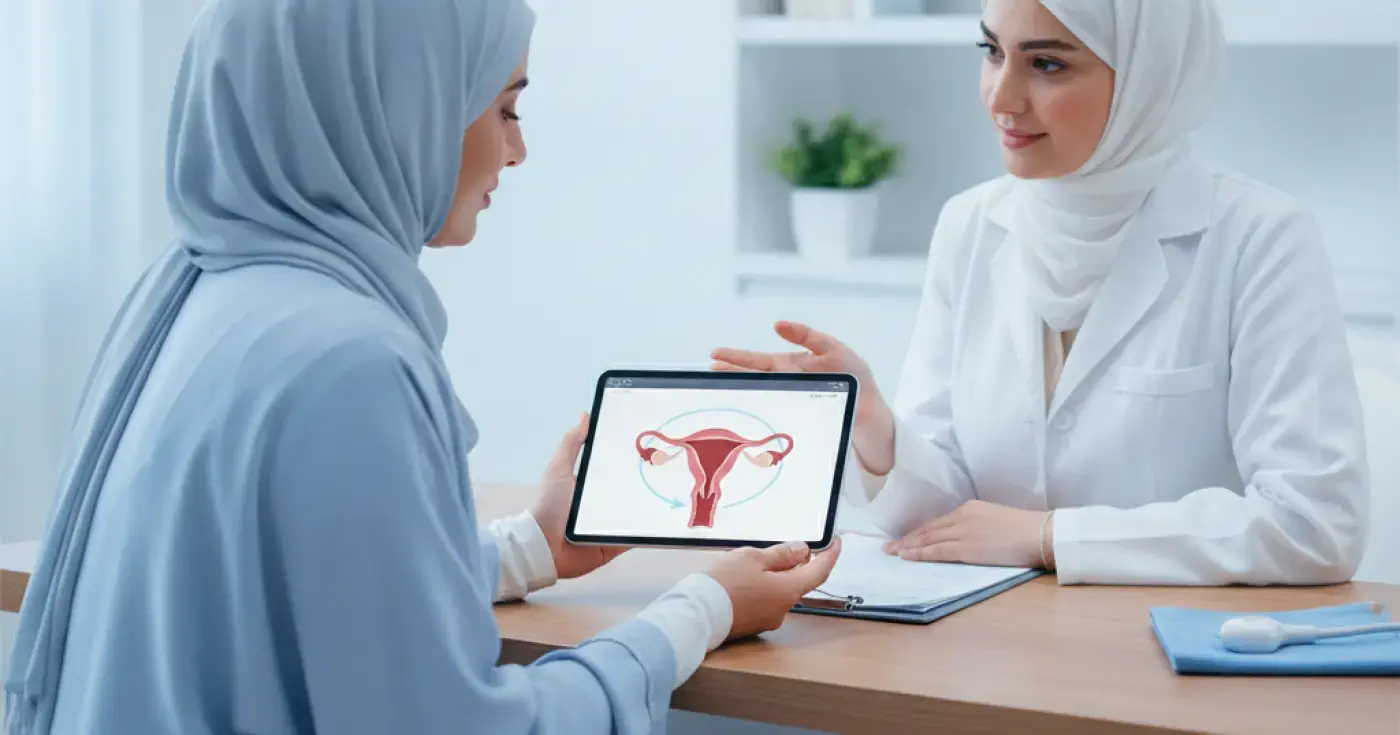
Medical article
Can you get pregnant with PCOS? Learn how polycystic ovary syndrome affects ovulation, how it is diagnosed, and safe medical steps to support fertility.
Read article
Medical article
A complete medical guide on semen analysis. Learn about preparation rules, interpreting WHO reference limits, and when to consult a specialist.
Read articleConnected next steps
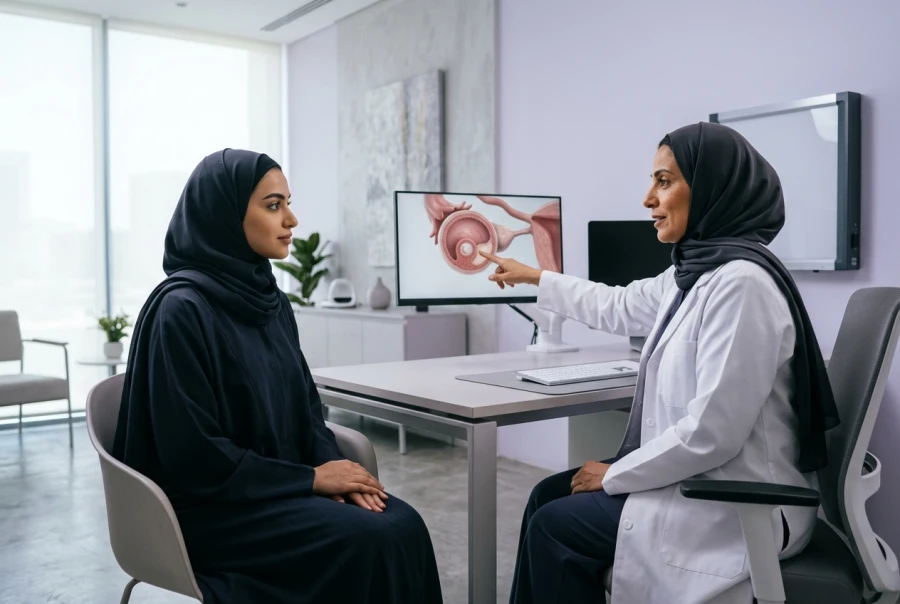 Folliculometry (Ovulation Tracking Ultrasound)A precise method to monitor follicle growth and determine peak fertility days, significantly increasing chances of natural conception or success in assisted reproductive technology programs under expert supervision.
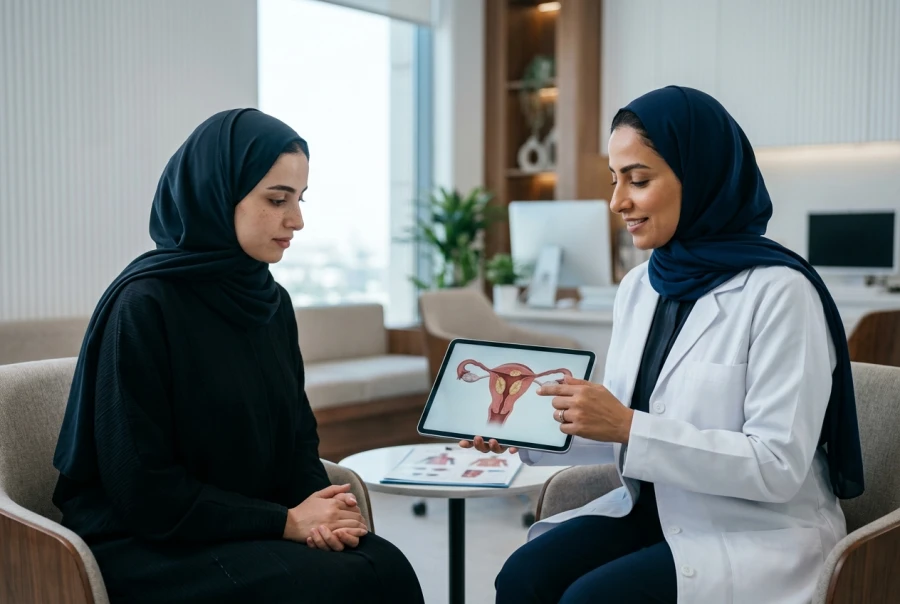 Progesterone Serum TestMonitor your reproductive health and confirm ovulation by measuring progesterone levels. This key hormone is vital for preparing the uterus and maintaining early pregnancy.
 Luteinizing Hormone (LH) TestA pivotal test for evaluating fertility and regulating the menstrual cycle, helping determine ovulation time and accurately diagnose causes of delayed conception.
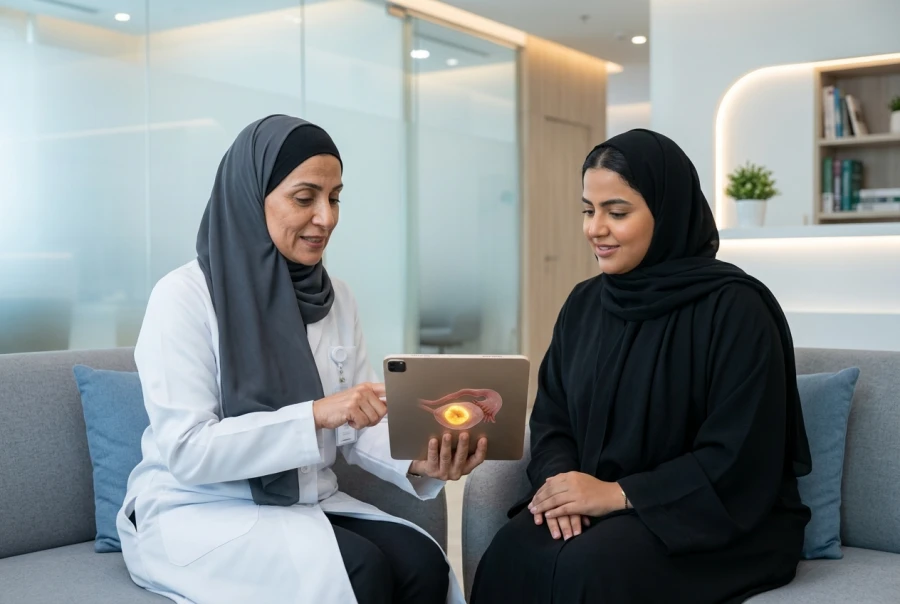 Day 21 Progesterone Serum TestPlanning for pregnancy? The Day 21 Progesterone test accurately confirms if ovulation has occurred, providing essential insights into your reproductive health and helping you optimize your journey toward motherhood today.