
Lahalak Medical PlatformDifferentiate Care
Can you get pregnant with PCOS? Learn how polycystic ovary syndrome affects ovulation, how it is diagnosed, and safe medical steps to support fertility.
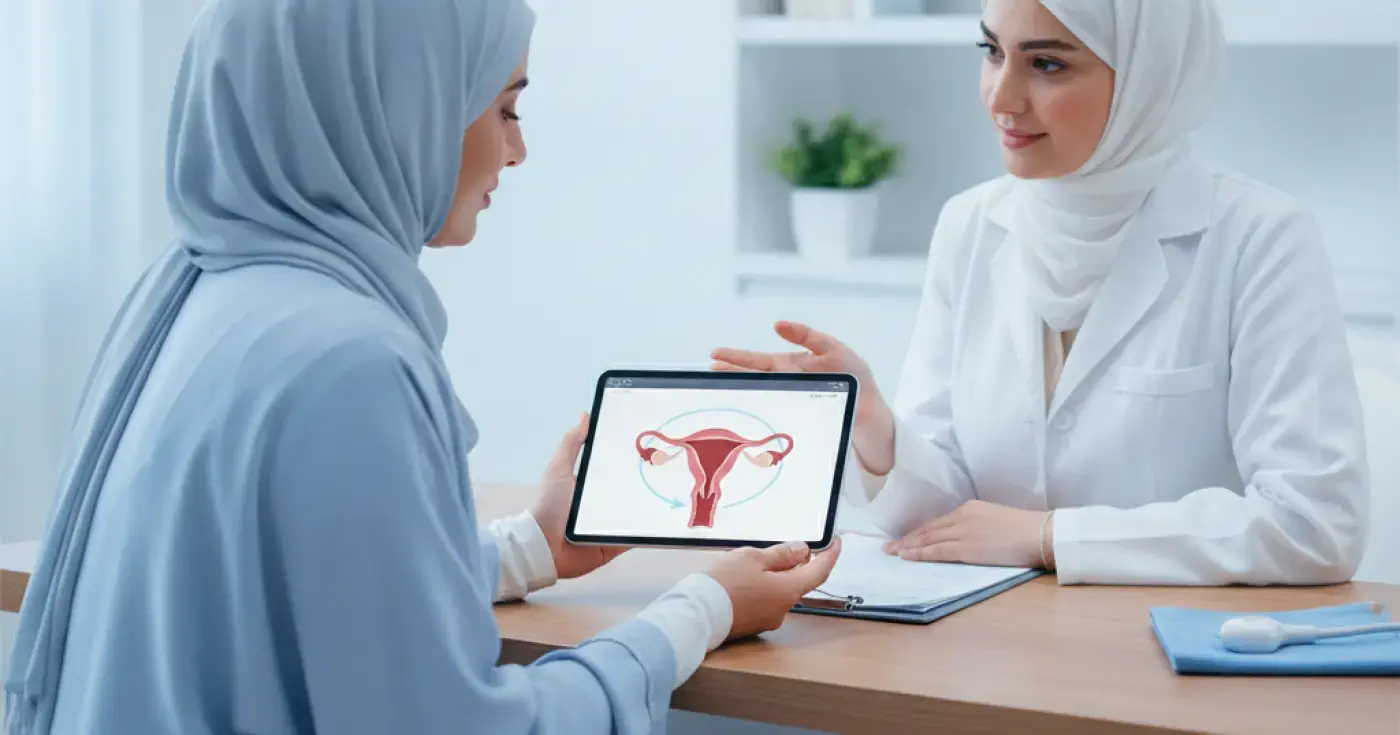
Advertisement
Yes, achieving a natural and safe pregnancy is entirely possible for women with Polycystic Ovary Syndrome (PCOS). However, ovulation irregularities associated with this condition can make conception more challenging for some, requiring careful planning and precise medical evaluation. It is crucial to understand that a PCOS diagnosis does not mean infertility; rather, it highlights the need to understand your body and follow structured medical and lifestyle strategies to optimize conditions for fertilization under specialist supervision.
Polycystic Ovary Syndrome (PCOS) is a common endocrine and metabolic disorder affecting women of reproductive age. It is characterized by hormonal imbalances that affect ovarian function and follicular development.
A common misconception is confusing "PCOS" with a "single ovarian cyst." The difference between them is fundamental:
PCOS directly impacts the process of ovulation. In a typical cycle, a single follicle matures to release a viable egg. In PCOS, hormonal imbalances—often characterized by elevated Luteinizing Hormone (LH) and increased androgens (male hormones)—disrupt this follicular maturation.
Consequently, this can lead to:
While a regular menstrual cycle (occurring every 21 to 35 days) is a strong indicator of ovulation, it does not guarantee it 100%. In rare instances, women may experience regular bleeding without actually releasing an egg, a condition known as anovulatory cycles.
Conversely, highly irregular or absent periods are clear signs of ovulatory dysfunction, necessitating a thorough medical evaluation to assess ovulation quality and optimize pregnancy chances with PCOS.
Diagnosing PCOS in adults relies on established clinical criteria (such as the Rotterdam criteria) rather than a single test. A diagnosis requires meeting at least two of the following three criteria, after ruling out other medical causes for menstrual irregularity:
It is important to emphasize that a polycystic appearance on an ultrasound alone does not equal a PCOS diagnosis, and some women with the syndrome may not exhibit these features at all. Similarly, individual tests like Anti-Müllerian Hormone (AMH) or LH/FSH ratios cannot diagnose the condition in isolation without a comprehensive clinical assessment.
| Evaluation Component | What the Test Reveals | What It Does Not Prove Individually |
|---|---|---|
| Medical History & Menstrual Cycle | Ovulation regularity and menstrual frequency | Does not pinpoint the exact cause of irregularity |
| Clinical Exam (Hirsutism & Acne) | Signs of elevated androgen levels | Does not confirm PCOS without ruling out adrenal disorders |
| pelvic ultrasound | Ovarian morphology, follicle count, and volume | The presence of follicles does not guarantee a PCOS diagnosis |
| Laboratory Tests (Hormones) | Androgen levels, thyroid hormones, and prolactin | Cannot diagnose the syndrome without clinical correlation |
| Metabolic Markers (Glucose & Lipids) | Insulin resistance and cardiovascular health indicators | Does not directly relate to ovulation but reflects overall health |
When planning for pregnancy with suspected PCOS, clinicians order a tailored panel of tests based on individual history. There is no single "PCOS panel" that fits everyone. Tests are customized to rule out other conditions and guide treatment. These may include:
These tests help the physician build an accurate clinical picture and guide treatment safely and effectively.
When facing delayed conception, it should not be assumed that PCOS is the sole cause. Fertility evaluation is a shared journey. Therefore, performing a semen analysis for the husband is an essential early step to rule out male factor infertility, ensuring that treatment plans are targeted and efficient for both partners.
Preparing for pregnancy involves optimizing your body's health sustainably. Key supportive steps include:
If a woman experiences difficulty conceiving due to ovulatory dysfunction, the physician will discuss progressive treatment options based on age, duration of trying, and the partner's test results:
The general guideline is to seek a gynecology and fertility consultation after one year of regular unprotected intercourse for women under 35, and after 6 months for women aged 35 or older. However, with a known diagnosis of PCOS or highly irregular cycles, it is wise to consult a specialist earlier to establish a proactive plan.
Once pregnant, women with PCOS require consistent and careful prenatal care. The syndrome is associated with a slightly higher risk of certain gestational complications, such as gestational diabetes, gestational hypertension, or preterm birth. It is vital to know that these risks are not inevitable and can be effectively managed through regular medical check-ups, proper nutrition, and adherence to your healthcare team's guidance.
Certain urgent symptoms require immediate evaluation at an emergency department or by your physician:
Polycystic Ovary Syndrome is a highly manageable condition. Proper planning, an informed understanding of your body, and collaboration with a specialized medical team are the cornerstones of a safe and successful journey to motherhood. Avoid anxiety and unverified remedies, and always rely on evidence-based, individualized medical care.
Short answers that help clarify the key points related to this article.
Advertisement
Helpful services
Subscribe for new educational pregnancy and birth content from LahaLak.
Compare hospitals and prices by city and birth type, then continue to booking with clear steps.
From LahaLak guide

Medical article
Learn about the AMH ovarian reserve test, normal levels by age, when it is ordered, and if pregnancy is possible with low AMH. Expert medical guide.
Read article
Medical article
A complete medical guide on semen analysis. Learn about preparation rules, interpreting WHO reference limits, and when to consult a specialist.
Read articleConnected next steps
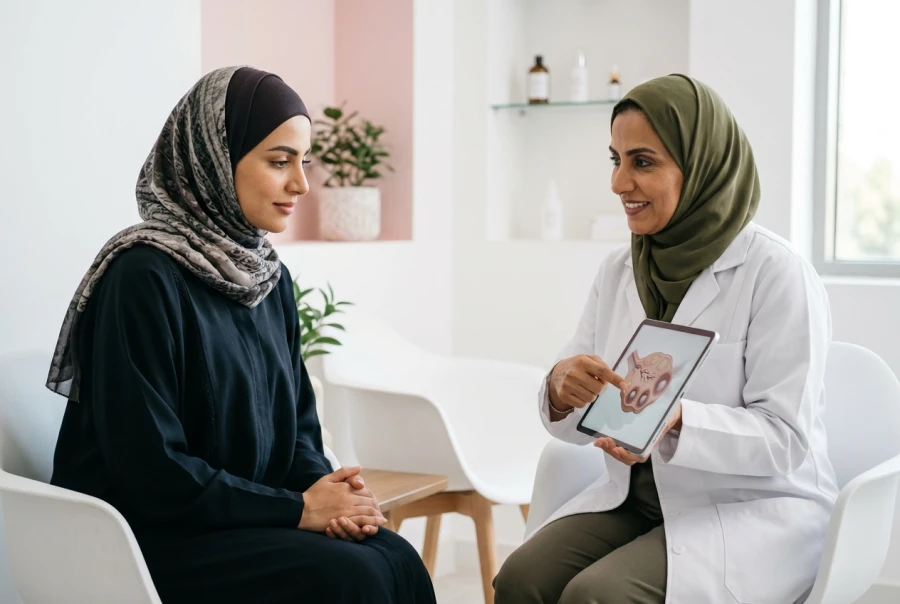 PCOS-Specific Fertility and Ovulation Induction ConsultationConsult our experts to design a personalized treatment plan focused on improving egg quality and inducing ovulation, maximizing your chances of successful pregnancy despite PCOS challenges.
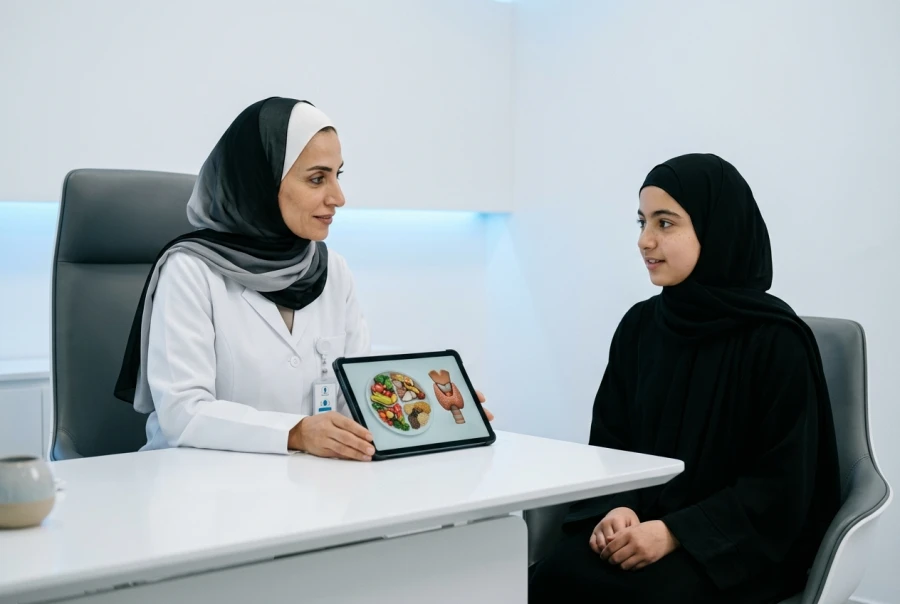 Nutritional Intervention for Adolescent PCOSA specialized nutritional program for adolescents with PCOS, focusing on improving insulin sensitivity and hormonal balance through tailored dietary plans that support healthy growth and effectively manage symptoms.
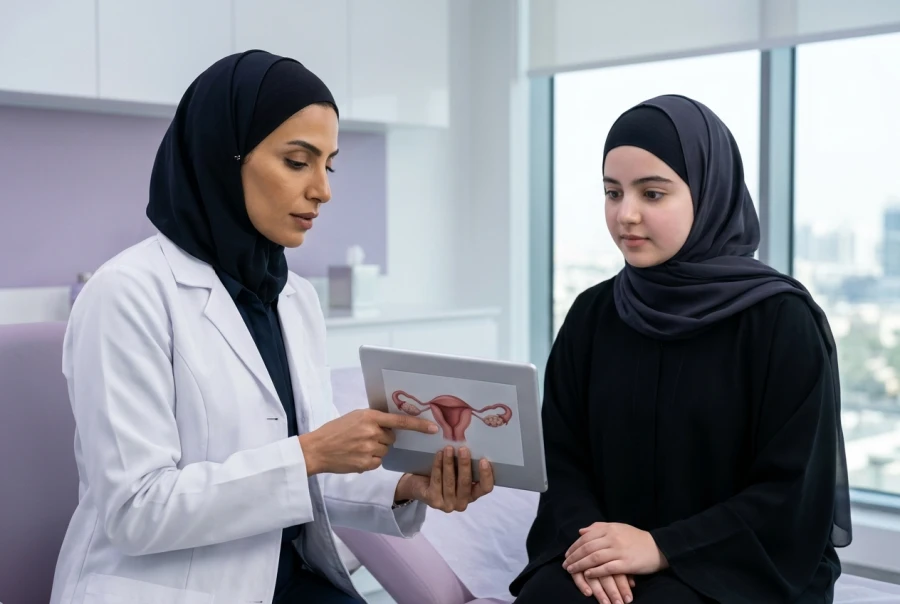 Polycystic Ovary Syndrome (PCOS) ScreeningThis comprehensive screening helps you detect PCOS early, ensuring menstrual regularity, improving fertility, and maintaining healthy skin and hormonal balance through accurate diagnostics based on international medical standards.
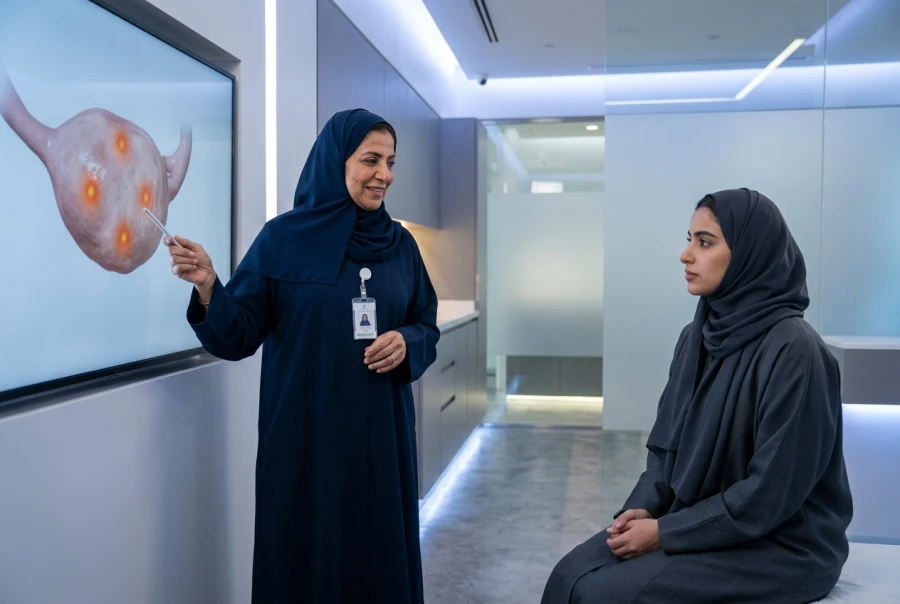 Laparoscopic Ovarian Drilling (LOD)Laparoscopic Ovarian Drilling is an advanced surgical procedure for women with PCOS who haven't responded to medication. It restores hormonal balance and triggers natural ovulation, significantly increasing pregnancy chances.