
Lahalak Medical PlatformDifferentiate Care
A comprehensive medical guide on low sperm motility (asthenozoospermia), semen analysis interpretation, causes, and evidence-based treatments.

Advertisement
Yes, pregnancy can occur naturally even with low sperm motility; a single low result does not equate to absolute infertility. The actual chances of conception depend heavily on the severity of the decrease, the Total Motile Sperm Count (TMSC), the health of other semen parameters, and the female partner's fertility status. Therefore, infertility cannot be diagnosed based on a single semen analysis. A comprehensive medical evaluation by a urologist or male fertility specialist is essential to repeat the test and determine the most appropriate clinical pathway.
Low sperm motility, clinically termed asthenozoospermia, refers to a condition where the percentage of active, moving sperm in a semen sample falls below established reference ranges. In the laboratory, sperm movement is classified into distinct categories:
Conception is a shared journey between partners. In the context of الخصوبة والعقم, we must look beyond a single parameter on a lab sheet. The Total Motile Sperm Count (TMSC) is often a more reliable indicator of fertility than motility percentage alone. If the total sperm count is exceptionally high, a lower motility percentage may still yield millions of progressively moving sperm, preserving natural fertility. Investigating other أسباب تأخر الحمل عند الرجال and performing comprehensive فحوصات الخصوبة للمرأة are vital steps in assessing a couple's overall reproductive potential.
| Clinical Term | Simplified Meaning | What It Does Not Prove Alone |
|---|---|---|
| Total Motility | The overall percentage of sperm showing any form of movement. | Does not guarantee the quality of forward progression needed to reach the egg. |
| Progressive Motility | The percentage of sperm swimming forward actively. | Does not guarantee fertilization if there are severe head abnormalities or high DNA fragmentation. |
| Non-progressive | Sperm moving locally without forward displacement. | Does not mean the sperm is dead, only that its motility mechanism is impaired. |
| Immotile | Sperm showing no movement at all. | Does not prove the sperm is dead; viability testing is required to differentiate live, stationary sperm from dead ones. |
| TMSC | The total number of moving sperm in the entire ejaculate. | Does not override the importance of evaluating the female partner's age and fertility status. |
According to the World Health Organization (WHO) 6th Edition manual (2021), the lower reference limit for total motility is 42%, and for progressive motility, it is 30%. It is crucial to understand that these values represent statistical thresholds (the 5th percentile of fertile men) rather than a strict dividing line between fertility and infertility. Furthermore, individual laboratory reference ranges may vary slightly and should always be interpreted by a physician.
Semen parameters fluctuate naturally due to daily health, environmental factors, and collection variables. Common reasons for an artificially low motility result include:
Per the American Urological Association (AUA) and the American Society for Reproductive Medicine (ASRM) guidelines, at least two separate semen analyses, spaced approximately one month apart, are required before establishing a clinical diagnosis. Learn more about proper testing protocols through تحليل السائل المنوي وقراءة النتيجة.
Several underlying medical and lifestyle factors can impair sperm motility, including:
In most cases, low sperm motility does not cause any noticeable physical symptoms, nor does it affect sexual performance or erectile function. However, underlying conditions might present with scrotal pain, swelling, or signs of hormonal imbalance (such as gynecomastia or reduced body hair), which should prompt a medical evaluation.
A thorough evaluation begins with a detailed reproductive, medical, and occupational history, followed by a physical examination to check for varicoceles or signs of infection. Routine hormone testing (such as FSH, LH, and testosterone) or scrotal ultrasounds are not indicated for every patient; they are reserved for cases with severe oligospermia, azoospermia, or clinical signs of endocrine disorders.
A semen culture or inflammatory marker evaluation may be ordered if an active infection is clinically suspected, rather than solely based on low motility. Advanced tests, such as a فحص تكسّر DNA للحيوانات المنوية (DNA Fragmentation Index - DFI), are not routine primary screening tools but may be discussed in selected cases, such as recurrent pregnancy loss or unexplained IVF failure.
Treatment is highly individualized and directed at the underlying cause:
While dietary supplements and antioxidants (such as L-carnitine, vitamins C and E, and zinc) are frequently prescribed, their clinical efficacy in improving live birth rates remains inconclusive. No single supplement or herbal blend is guaranteed to cure low sperm motility.
If natural conception does not occur after addressing correctable factors, couples may discuss assisted reproductive options based on their overall clinical picture:
Immediate medical attention is required if you experience any of the following symptoms:
| Clinical Scenario | Recommended Action | Clinical Objective |
|---|---|---|
| First abnormal semen analysis (low motility) | Repeat the semen analysis in 3-4 weeks following strict collection guidelines. | Rule out temporary fluctuations and collection errors. |
| Confirmed low motility on repeat analysis | Schedule an evaluation with a urologist or male fertility specialist. | Identify correctable causes like clinical varicoceles or infections. |
| Inability to conceive after 12 months with low motility | Initiate a joint fertility evaluation for both partners. | Determine the most effective path forward, whether medical treatment or ART. |
Short answers that help clarify the key points related to this article.
Advertisement
Helpful services
Subscribe for new educational pregnancy and birth content from LahaLak.
Compare hospitals and prices by city and birth type, then continue to booking with clear steps.
From LahaLak guide
Medical article
Learn about pregnancy chances after 35, when to start fertility testing for couples, the role of ovarian reserve, and essential medical steps.
Read article
Medical article
A comprehensive medical guide on female fertility signs, the role of ovulation, and what symptoms cannot prove regarding reproductive health.
Read article
Medical article
Learn about the link between high prolactin and delayed pregnancy, test preparation, normal ranges, and when a prolactin test is actually needed.
Read articleConnected next steps
 Intrauterine Insemination (IUI) PackageA carefully designed package to support the dream of motherhood through IUI, including precise diagnosis and specialized medical follow-up to increase pregnancy chances.
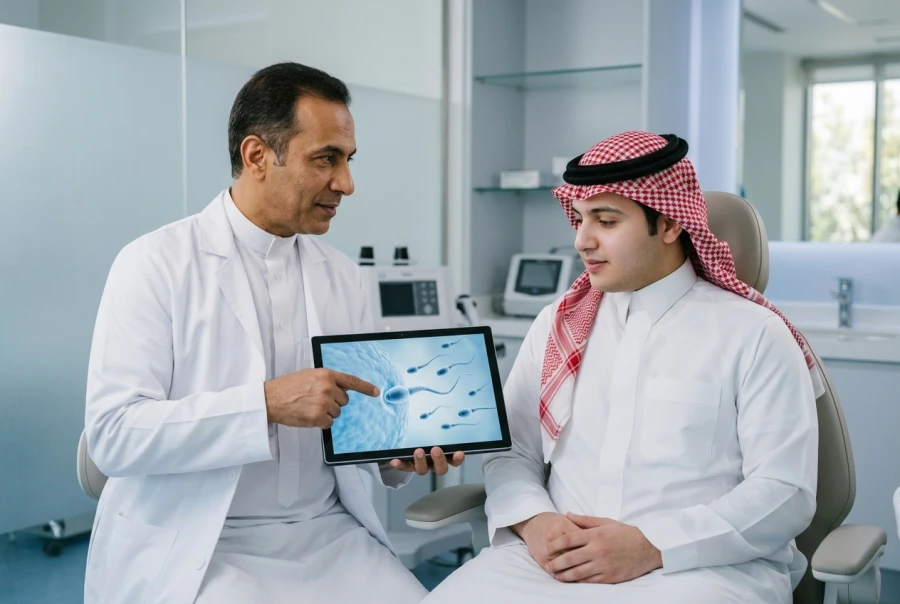 Sperm Washing and PreparationAn advanced laboratory procedure designed to purify and activate sperm, significantly increasing the success rates of IUI or IVF by isolating highly motile sperm from seminal debris and plasma.
 Computer-Aided Sperm Analysis (CASA)Achieve the highest accuracy in fertility assessment using advanced CASA technology. This automated system provides objective digital analysis of sperm motility and morphology, helping specialists determine the best path to parenthood.
 Smoking Cessation Program for Sexual Health and FertilityA comprehensive program designed to help men quit nicotine, enhancing genital blood flow and reducing sperm DNA oxidative stress, ensuring superior sexual and reproductive health for a better lifestyle.