
Lahalak Medical PlatformDifferentiate Care
Learn how to calculate your fertile window, recognize signs of ovulation, and manage irregular cycles to optimize your chances of conceiving safely.
Advertisement
Embarking on the journey of preconception care and planning for pregnancy is a profound milestone. To ensure a healthy and safe experience, it is essential to understand how your body works. Identifying the best time to conceive relies heavily on understanding your menstrual cycle and knowing how to track and calculate ovulation. In this clinical guide, we will explore the biological details of ovulation, the fertile window, and how to navigate challenges like irregular cycles, aligned with trusted medical practices.
Ovulation is the phase in the menstrual cycle when a mature ovarian follicle releases an egg. Once released, the egg travels down the fallopian tube, where it remains viable for fertilization for a brief window of 12 to 24 hours. If a healthy sperm fertilizes the egg during this timeframe, conception occurs, initiating pregnancy.
The menstrual cycle is regulated by a complex feedback loop of hormones:
A common misconception is that ovulation always occurs on day 14 of the menstrual cycle. Clinically, this is only true for a textbook 28-day cycle. However, a normal menstrual cycle can range from 21 to 35 days. Ovulation typically occurs about 14 days *before* the start of the next period (the luteal phase), rather than exactly 14 days after the previous one. Relying solely on the "day 14 rule" can lead to missing the actual fertile window in shorter or longer cycles.
The "fertile window" refers to the days in a woman's cycle when pregnancy is biologically possible. This window spans approximately 6 days: the day of ovulation and the 5 days preceding it. This is because sperm can survive inside the female reproductive tract for up to 5 days under optimal conditions, while the egg survives for only 12 to 24 hours after release.
The following table provides an approximate estimation of ovulation and the fertile window based on regular cycle lengths:
| Menstrual Cycle Length (Days) | Estimated Ovulation Day | Approximate Fertile Window |
|---|---|---|
| 22 Days | Day 8 | Day 3 to Day 8 | 24 Days | Day 10 | Day 5 to Day 10 | 28 Days | Day 14 | Day 9 to Day 14 | 30 Days | Day 16 | Day 11 to Day 16 | 35 Days | Day 21 | Day 16 to Day 21 |
Note: Day 1 of the cycle is always the first day of menstrual bleeding.
Women can track several physiological changes to identify ovulation:
Tracking ovulation can be challenging for women with irregular cycles, where cycle lengths vary significantly from month to month. Irregularity can stem from conditions such as Polycystic Ovary Syndrome (PCOS), thyroid dysfunction, or high stress levels.
To track ovulation with irregular cycles, consider the following approaches:
It is highly recommended to consult an OB/GYN if:
To optimize the probability of conception, couples should time intercourse during the fertile window, particularly the three days leading up to and including the day of ovulation. Having intercourse every other day (every 48 hours) during this window ensures a continuous supply of viable sperm while avoiding physical exhaustion or temporary decreases in sperm quality associated with daily ejaculation.
While uncommon, it is biologically possible. In women with very short menstrual cycles (e.g., 21 days), ovulation can occur as early as day 7. Because sperm can survive for up to 5 days, having intercourse immediately after your period ends could lead to fertilization if ovulation occurs early.
Preparing your body is crucial for a healthy pregnancy and fetal development:
Understanding your body and tracking ovulation are empowering steps when planning a family. Remember that every individual is unique, and tracking tools provide estimations rather than absolute guarantees. If you experience difficulties tracking your cycle or suspect irregular ovulation, consulting a certified OB/GYN is the safest and most effective path to receive personalized care and support.
Short answers that help clarify the key points related to this article.
Advertisement
Helpful services
Subscribe for new educational pregnancy and birth content from LahaLak.
Compare hospitals and prices by city and birth type, then continue to booking with clear steps.
From LahaLak guide
Medical article
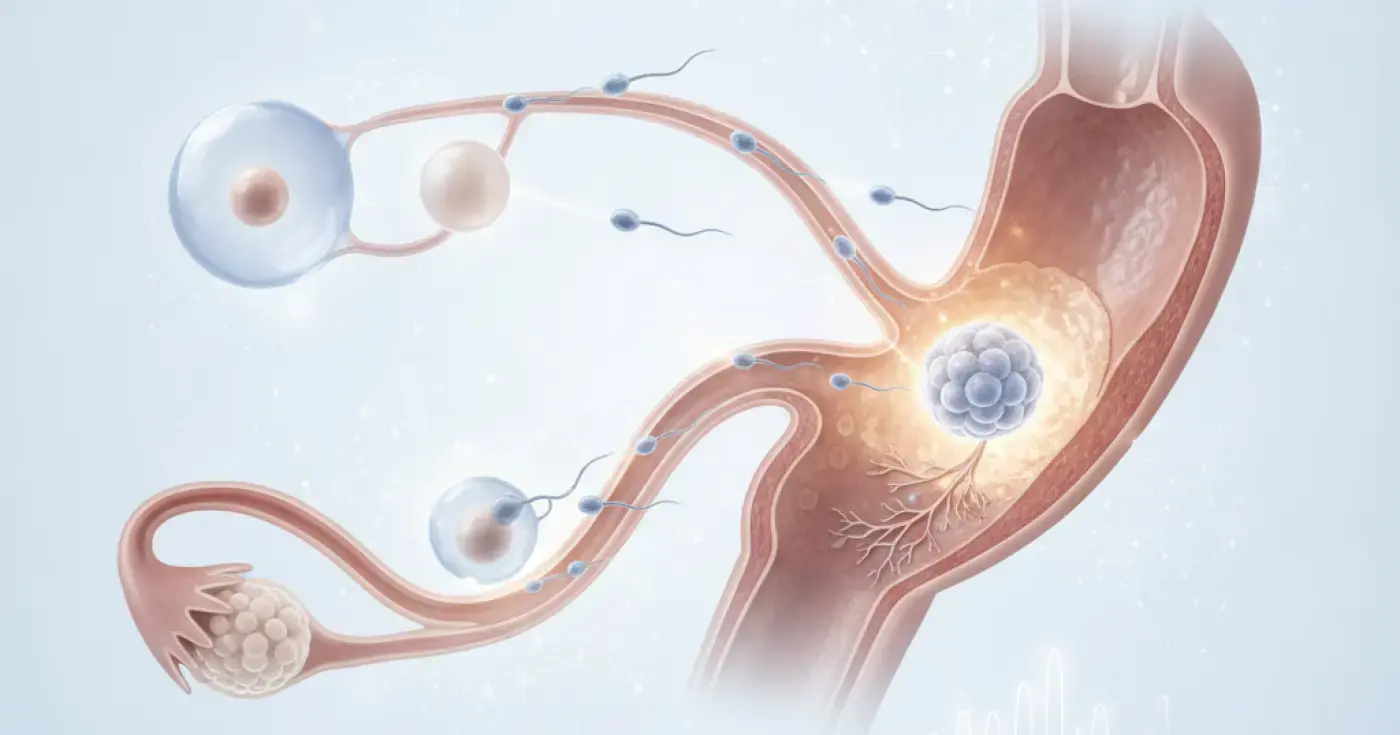
A medical guide on how conception happens: where fertilization occurs, egg and sperm lifespan, implantation timeline, and when hCG is detected.
Read article
Medical article
Discover the importance of a preconception health program, including essential lab tests and chronic disease management for a safe pregnancy.
Read article
Medical article
Learn about preconception screening for Hepatitis B, C, and HIV to protect your baby and ensure a safe, healthy pregnancy journey.
Read articleConnected next steps
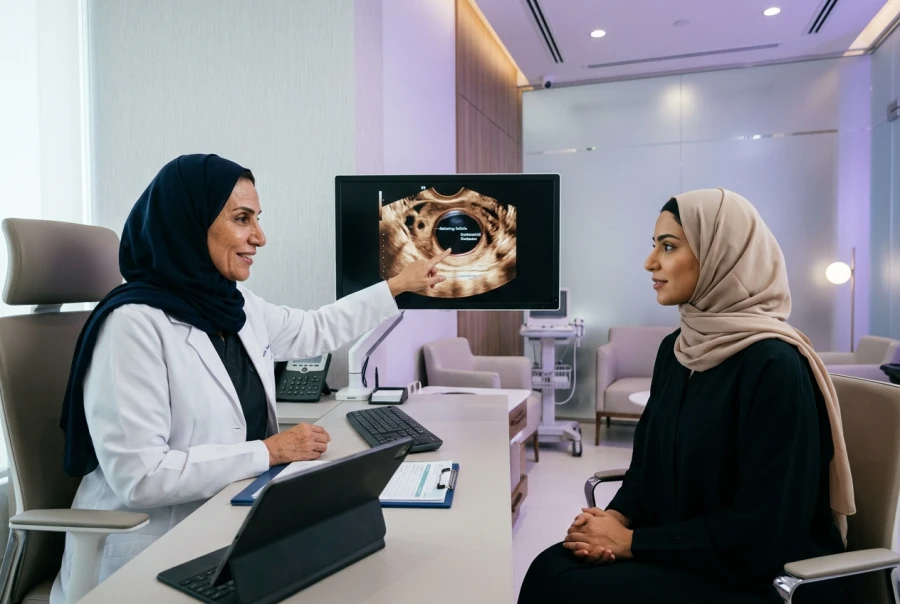 Follicular Tracking UltrasoundA precise monitoring procedure to track follicle growth and determine the optimal timing for conception, significantly enhancing pregnancy success through expert ultrasound guidance and serial development measurements.
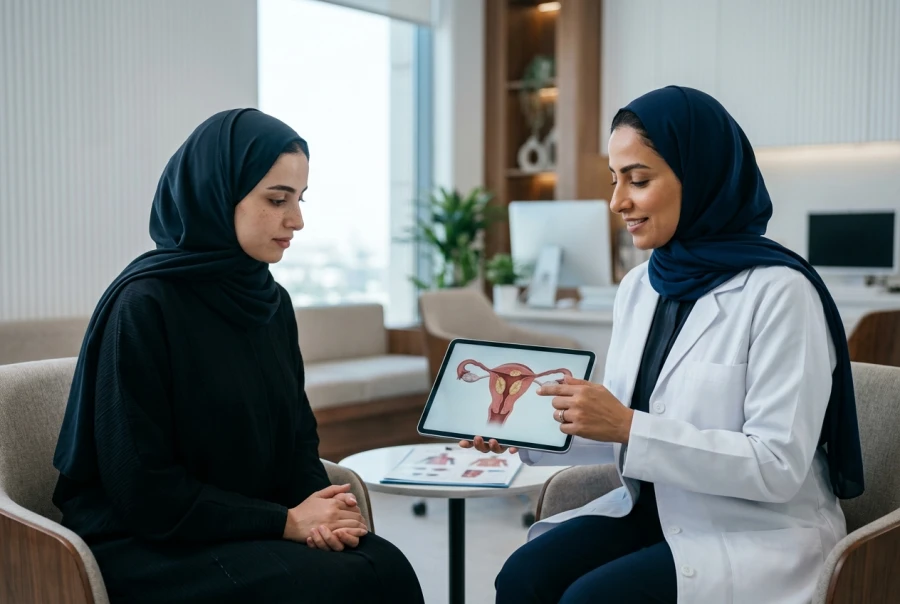 Progesterone Serum TestMonitor your reproductive health and confirm ovulation by measuring progesterone levels. This key hormone is vital for preparing the uterus and maintaining early pregnancy.
 PCOS-Specific Fertility and Ovulation Induction ConsultationConsult our experts to design a personalized treatment plan focused on improving egg quality and inducing ovulation, maximizing your chances of successful pregnancy despite PCOS challenges.
 Luteinizing Hormone (LH) TestThe key to fertility and precise ovulation tracking; helps diagnose menstrual irregularities and infertility causes in both men and women for reproductive health.