
Lahalak Medical PlatformDifferentiate Care
Learn about preconception screening for Hepatitis B, C, and HIV to protect your baby and ensure a safe, healthy pregnancy journey.

Advertisement
Preparing for pregnancy is one of the most critical phases in establishing the health of both mother and child. Among the essential medical evaluations recommended during this period, preconception infectious disease screening stands out as a vital preventive step. This comprehensive laboratory screening aims to detect silent viral infections that may not present obvious symptoms in the mother but pose significant risks to the fetus if transmitted during pregnancy or childbirth. The core screening panel includes tests for Hepatitis B Virus (HBV), Hepatitis C Virus (HCV), and Human Immunodeficiency Virus (HIV).
Integrating these tests into your preconception care guide gives healthcare providers the opportunity to design proactive treatment or preventive strategies. Early intervention can reduce the risk of vertical transmission to near-zero in many cases, ensuring a safe and healthy start for your baby.
Hepatitis B is a viral infection that attacks the liver and is transmitted through blood and bodily fluids. The virus can remain silent for years without causing noticeable symptoms. If pregnancy occurs without preventive measures, the virus can easily transmit to the baby during delivery, putting the newborn at a high risk of developing chronic hepatitis. A preconception Hepatitis B screening helps identify the mother's status so that immediate protective measures can be administered to the newborn at birth.
Hepatitis C is primarily transmitted through contact with infectious blood. Unlike Hepatitis B, there is currently no vaccine for Hepatitis C. However, highly effective direct-acting antiviral treatments are available that can cure the infection before pregnancy. Detecting this virus early allows women to complete treatment and clear the virus entirely before conceiving, completely eliminating the risk of transmission to the fetus.
HIV weakens the immune system by destroying important cells that fight disease and infection. Thanks to modern medical advancements, an HIV diagnosis is no longer a barrier to having healthy children. Preconception screening allows for the early initiation of antiretroviral therapy (ART), which reduces the mother's viral load to undetectable levels, thereby preventing transmission to the baby during pregnancy, labor, or breastfeeding.
The transmission of an infectious pathogen from mother to baby is known as vertical transmission. This can occur during three distinct stages:
| Lab Test | Primary Transmission Route | Transmission Risk (No Intervention) | Key Preventive Action |
|---|---|---|---|
| Hepatitis B (HBV) | Primarily during delivery | Very High (up to 90%) | Administer vaccine and immunoglobulins to newborn at birth |
| Hepatitis C (HCV) | During pregnancy and delivery | Low (about 5% - 8%) | Treat and cure the mother before conception |
| HIV | Pregnancy, delivery, and breastfeeding | High (15% to 45%) | Maternal antiretroviral therapy (ART) and safe feeding practices |
If a screening test returns positive for any of these viruses, it does not mean you cannot have a baby. Instead, it allows your medical team to initiate specialized clinical protocols:
It is highly recommended to undergo these screenings 3 to 6 months before actively trying to conceive. This timeframe allows sufficient time to complete necessary vaccine series (such as the Hepatitis B vaccine if you lack immunity) or undergo antiviral treatments that must be completed before pregnancy.
These blood tests do not require fasting or any special preparation. A simple blood sample drawn at a clinic or laboratory is all that is needed to detect antibodies or viral genetic material.
The Kingdom of Saudi Arabia prioritizes maternal and child health through comprehensive premarital and preconception screening programs available across all primary healthcare centers and hospitals. These national initiatives aim to reduce the transmission of infectious and genetic diseases, ensuring a healthy future generation by providing free vaccines and advanced medical care to all mothers.
To ensure a safe and healthy pregnancy journey, we recommend the following steps:
Short answers that help clarify the key points related to this article.
Advertisement
Helpful services
Subscribe for new educational pregnancy and birth content from LahaLak.
Compare hospitals and prices by city and birth type, then continue to booking with clear steps.
From LahaLak guide
Medical article
Discover why the VDRL/RPR test is a routine part of prenatal care, how to interpret results, and how early treatment protects your baby.
Read article
Medical article
Learn how serial follicular tracking ultrasound monitors follicle development and endometrial thickness to accurately identify your most fertile days.
Read articleConnected next steps
 Rubella and Varicella-Zoster IgG Antibody ScreenA vital screening to confirm your immunity against Rubella and Varicella before or during pregnancy. This test ensures maternal protection and prevents potential congenital complications for your developing baby.
 Preconception Wellness Optimization ProgramThis program ensures a healthy pregnancy by evaluating nutritional status, genetic risks, and vaccination history, minimizing complications and optimizing health outcomes for both mother and baby.
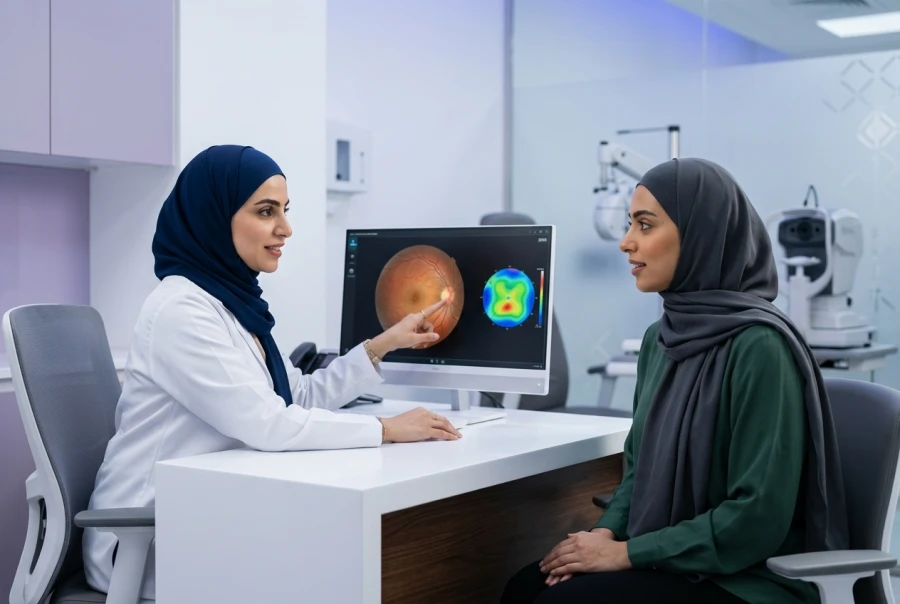 Comprehensive Pre-pregnancy Ocular Health CheckupA specialized eye evaluation before pregnancy designed to detect retinopathy or glaucoma early, ensuring your vision is protected from physiological changes during your motherhood journey with complete safety.
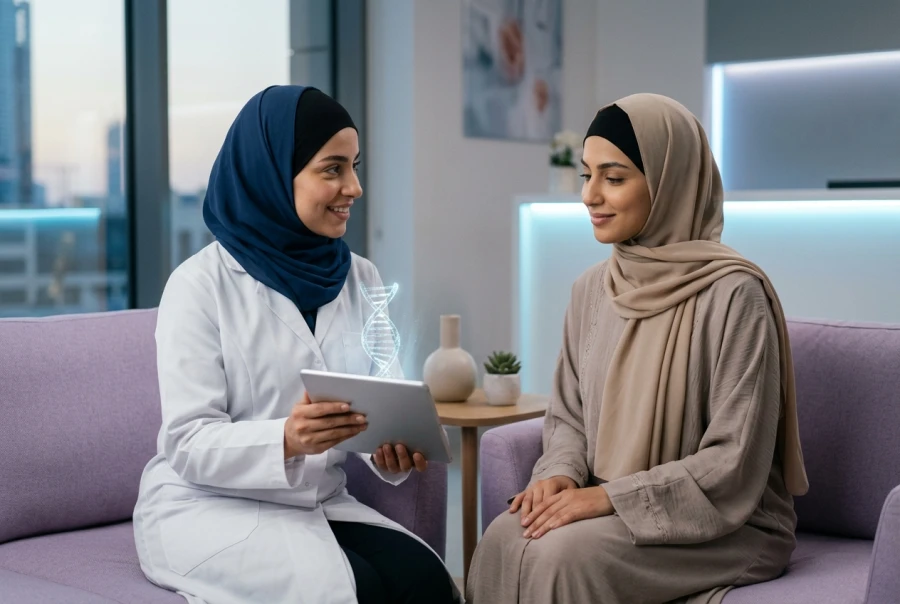 Expanded Pre-conception Genetic Carrier Screening (GCS)Ensure a healthy future for your family with comprehensive genetic screening to identify potential inherited conditions, providing peace of mind and informed reproductive planning for prospective parents starting their journey.