
Lahalak Medical PlatformDifferentiate Care
A medical guide on how conception happens: where fertilization occurs, egg and sperm lifespan, implantation timeline, and when hCG is detected.
Advertisement
Conception is a remarkable and highly coordinated biological journey. It requires precise timing, hormonal balance, and healthy reproductive organs. For couples planning pregnancy, understanding how fertilization, implantation, and early hormone production occur is essential. This guide provides clear, medically accurate insights into the stages of early pregnancy, helping you navigate this journey with confidence and clarity.
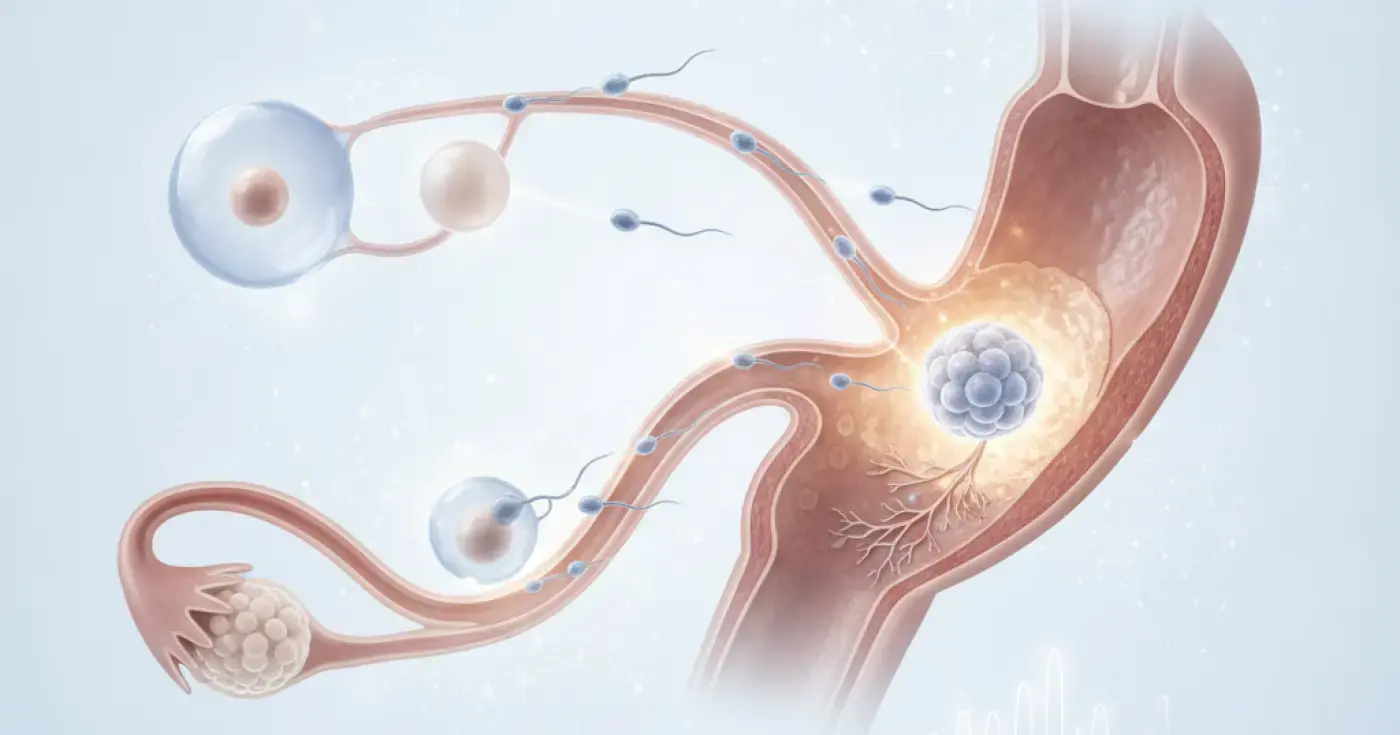
Contrary to a common misconception, fertilization does not take place in the uterus. Instead, it almost always occurs in the Fallopian tubes, specifically in the wider section known as the ampulla.
During ovulation, a mature egg is released from the ovary and swept into the Fallopian tube by tiny hair-like structures called cilia. Meanwhile, after intercourse, millions of sperm travel from the vagina, through the cervix and uterus, and into the Fallopian tubes. When a single sperm successfully penetrates the outer protective layer of the egg, fertilization occurs, creating a single-celled embryo called a zygote.
Understanding how long reproductive cells can survive is crucial for identifying the fertile window and using an ovulation calculator effectively. The lifespans of the egg and sperm differ significantly:
The table below summarizes the key differences between the egg and sperm:
| Feature | The Egg (Oocyte) | The Sperm |
|---|---|---|
| Lifespan | 12 to 24 hours after ovulation | 3 to 5 days (in fertile environment) |
| Primary Location | Fallopian tube | Fallopian tubes (after traveling) |
| Optimal Environment | Natural reproductive tract | Fertile, alkaline cervical mucus |
Because sperm can live for several days while the egg survives for less than 24 hours, there is a specific "fertile window" during each menstrual cycle. This window typically spans the five days leading up to ovulation and the day of ovulation itself. Having regular intercourse during this period ensures that viable sperm are already waiting in the Fallopian tube when the egg is released, significantly increasing the chances of conception.
Once fertilization is complete, the newly formed embryo does not stay in the Fallopian tube. It begins a journey toward the uterus while rapidly dividing into multiple cells. This journey takes several days.
Implantation—the process where the embryo attaches to and embeds itself within the nutrient-rich lining of the uterus—typically occurs 6 to 12 days after fertilization (averaging 8 to 9 days). Some women may experience light spotting or mild cramping during this phase, often referred to as "implantation bleeding." While common, spotting alone is not a definitive confirmation of pregnancy.
Immediately after successful implantation, the cells that will eventually form the placenta begin secreting human chorionic gonadotropin (hCG), commonly known as the "pregnancy hormone." This hormone signals the body to continue producing progesterone, which maintains the uterine lining and supports the developing pregnancy.
hCG levels rise rapidly, doubling approximately every 48 to 72 hours during the first few weeks. Detection times depend on the type of test used:
Preconception care is a vital step for a healthy pregnancy. Consulting a healthcare provider before conceiving allows you to review your health history, start essential prenatal vitamins like folic acid, and address any concerns. Once pregnancy is confirmed, initiating early pregnancy care is key to ensuring a safe and healthy journey for both mother and baby.
Short answers that help clarify the key points related to this article.
Advertisement
Helpful services
Subscribe for new educational pregnancy and birth content from LahaLak.
Compare hospitals and prices by city and birth type, then continue to booking with clear steps.
From LahaLak guide

Medical article
Discover the importance of a preconception health program, including essential lab tests and chronic disease management for a safe pregnancy.
Read article
Medical article
Learn about preconception screening for Hepatitis B, C, and HIV to protect your baby and ensure a safe, healthy pregnancy journey.
Read articleConnected next steps
 Expanded Pre-conception Genetic Carrier Screening (GCS)Ensure a healthy future for your family with comprehensive genetic screening to identify potential inherited conditions, providing peace of mind and informed reproductive planning for prospective parents starting their journey.
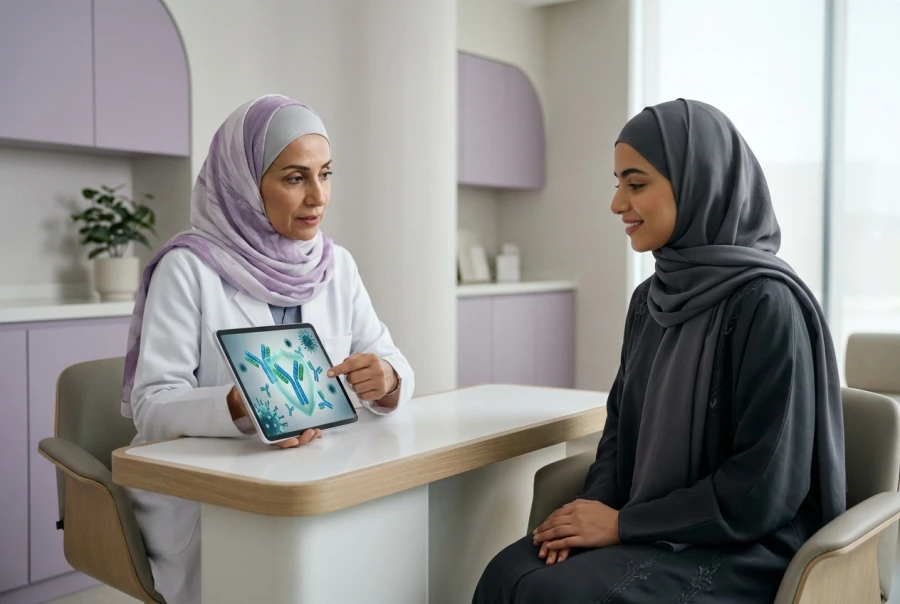 Rubella and Varicella-Zoster IgG Antibody ScreenA vital screening to confirm your immunity against Rubella and Varicella before or during pregnancy. This test ensures maternal protection and prevents potential congenital complications for your developing baby.
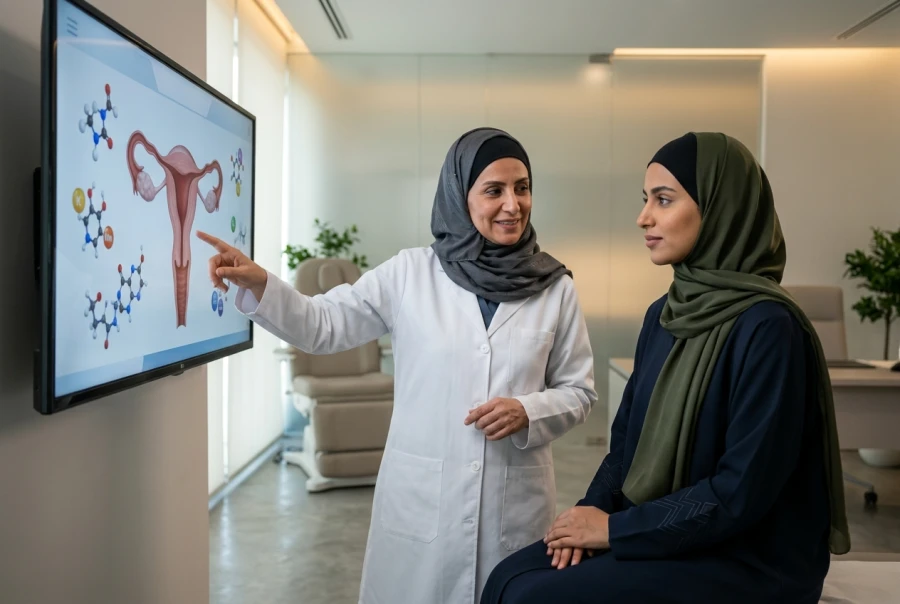 Preconception Wellness Optimization ProgramThis program ensures a healthy pregnancy by evaluating nutritional status, genetic risks, and vaccination history, minimizing complications and optimizing health outcomes for both mother and baby.
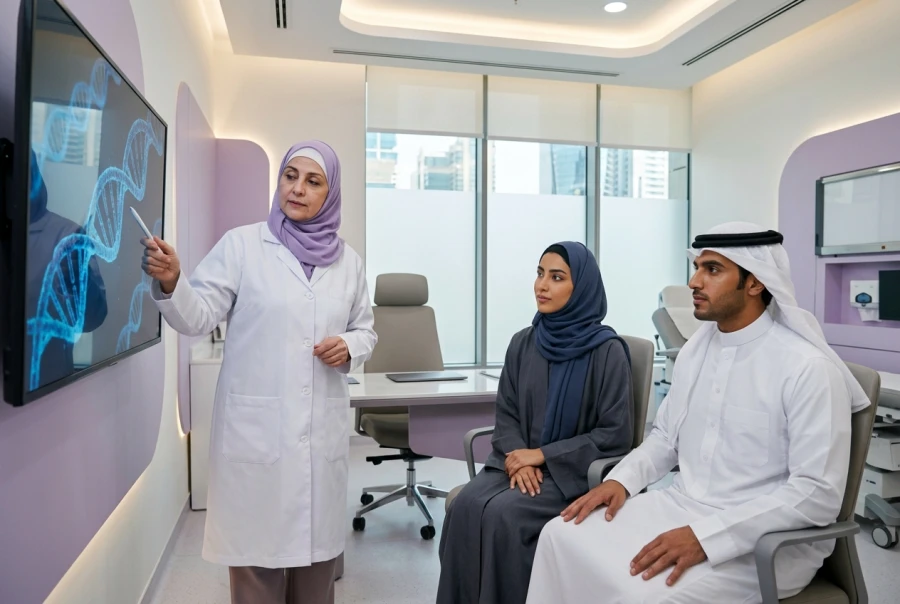 Pre-conception Genetic CounselingEmbark on your parenthood journey with confidence by assessing potential genetic risks. This counseling helps you understand family history and ensures a healthy future for your children through expert medical guidance.