
Lahalak Medical PlatformDifferentiate Care
Discover the importance of a preconception health program, including essential lab tests and chronic disease management for a safe pregnancy.

Advertisement
Embarking on the journey of planning pregnancy is a major milestone. Preparing for a baby goes beyond emotional readiness; it requires comprehensive physical and medical preparation. Optimizing your health before conceiving creates a nurturing environment for fetal development and significantly reduces the risk of complications during pregnancy and childbirth. This is why a structured preconception health optimization program is a vital preventive step for every aspiring mother.
A preconception health optimization program is a systematic medical evaluation designed for couples, particularly women, three to six months before actively trying to conceive. The primary goal is to assess overall health, identify potential medical or genetic risks, and manage them before fertilization occurs. This proactive approach aligns with modern preventive medicine guidelines in Saudi Arabia, emphasizing maternal and child wellness.
A thorough preconception health program focuses on several key medical pillars to ensure a safe transition into pregnancy:
Undergoing targeted preconception lab tests is crucial. These screenings detect underlying conditions that may not present obvious symptoms but can directly impact pregnancy, such as anemia, thyroid dysfunction, nutritional deficiencies, and infectious diseases that could be transmitted to the fetus.
Your healthcare provider will review your medical history, including any previous pregnancies and associated complications like gestational diabetes or preeclampsia. A review of both partners' family medical histories helps identify hereditary conditions, allowing for specialized genetic counseling if necessary.
For women with chronic conditions such as diabetes, hypertension, epilepsy, or kidney disease, achieving optimal disease control before conception is critical. This requires close collaboration between your obstetrician and specialists to adjust medications to those safest for fetal development.
Not all prescription drugs, over-the-counter medications, or herbal supplements are safe during pregnancy. During your evaluation, your doctor will review your current medications and recommend safe alternatives. Additionally, checking immunity against diseases like rubella and varicella ensures you receive necessary vaccinations well before pregnancy.
The following table outlines key laboratory tests typically included in a preconception assessment and their clinical significance:
| Laboratory Test | Medical Purpose | Clinical Significance Before Pregnancy |
|---|---|---|
| Complete Blood Count (CBC) | Detects anemia and evaluates blood cells | Treating anemia before conception prevents preterm birth and low birth weight. |
| Fasting Blood Glucose & HbA1c | Evaluates blood sugar control | Optimal glucose control minimizes the risk of congenital anomalies and complications. |
| Thyroid Stimulating Hormone (TSH) | Screens for thyroid dysfunction | Uncontrolled thyroid disorders can affect fertility and fetal neurological development. |
| Rubella Antibody Titer | Checks immunity against German measles | Ensures protection against rubella infection, which causes severe birth defects. |
| Blood Group & Rh Typing | Identifies blood type and Rh factor compatibility | Allows for timely preventive measures if there is an Rh incompatibility. |
In addition to medical screening, lifestyle adjustments play a key role in preparing your body for a healthy pregnancy:
You should schedule a preconception consultation as soon as you decide to start preparing for pregnancy. This visit is especially critical for women with pre-existing chronic illnesses, a family history of genetic disorders, or a history of pregnancy complications. Early planning provides ample time for necessary medical interventions before transitioning to routine pregnancy care.
A preconception health optimization program is a valuable investment in your future child's health and your own well-being. By prioritizing medical screenings, managing chronic conditions, and adopting healthy habits, you can significantly mitigate potential risks. Always consult qualified healthcare professionals in accredited medical centers across Saudi Arabia to receive personalized care tailored to your unique health profile.
Short answers that help clarify the key points related to this article.
Advertisement
Helpful services
Subscribe for new educational pregnancy and birth content from LahaLak.
Compare hospitals and prices by city and birth type, then continue to booking with clear steps.
Connected next steps
 Rubella and Varicella-Zoster IgG Antibody ScreenA vital screening to confirm your immunity against Rubella and Varicella before or during pregnancy. This test ensures maternal protection and prevents potential congenital complications for your developing baby.
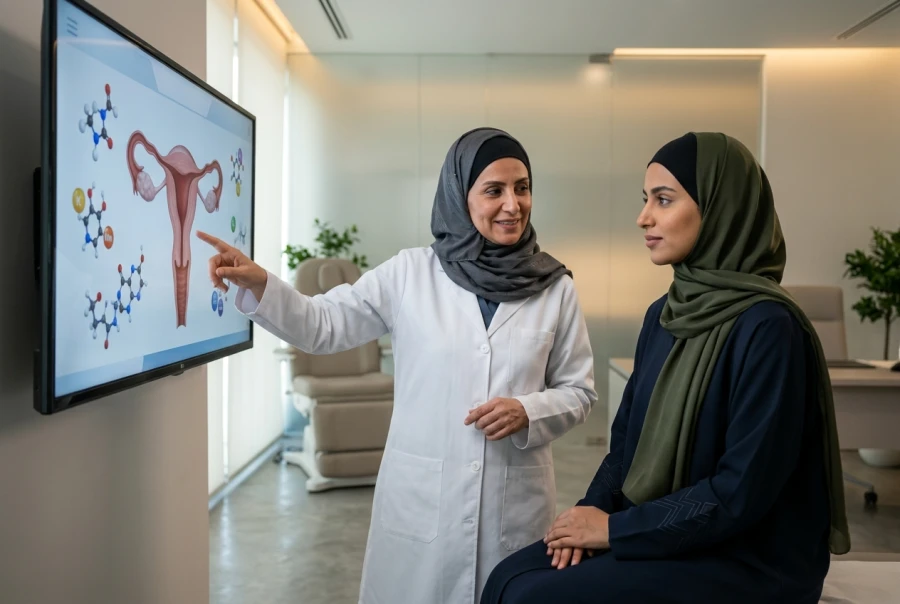 Preconception Wellness Optimization ProgramThis program ensures a healthy pregnancy by evaluating nutritional status, genetic risks, and vaccination history, minimizing complications and optimizing health outcomes for both mother and baby.
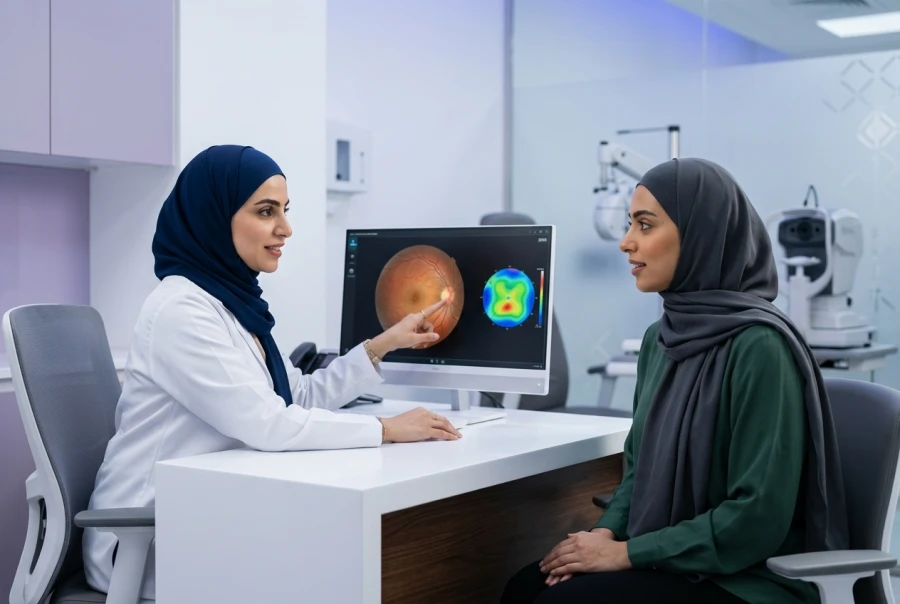 Comprehensive Pre-pregnancy Ocular Health CheckupA specialized eye evaluation before pregnancy designed to detect retinopathy or glaucoma early, ensuring your vision is protected from physiological changes during your motherhood journey with complete safety.
 Expanded Pre-conception Genetic Carrier Screening (GCS)Ensure a healthy future for your family with comprehensive genetic screening to identify potential inherited conditions, providing peace of mind and informed reproductive planning for prospective parents starting their journey.