The nine months of pregnancy
Choose your pregnancy month
Each month has its own changes and milestones. Choose your current month to explore fetal development, maternal changes and the gestational weeks included in that month.
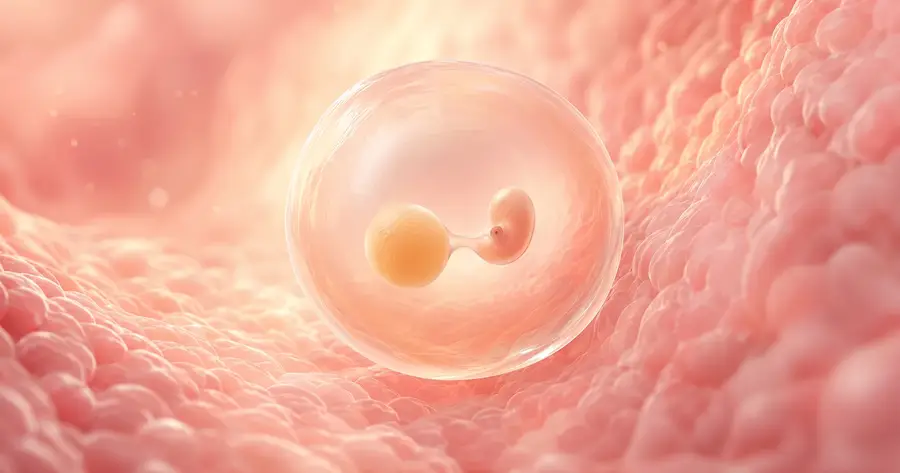 Weeks 1-4
1 Month Pregnant
Pregnancy dating begins from the first day of the last menstrual period. Ovulation, fertilization and implantation usually occur later in this month, and symptoms may still be absent.
Read month Weeks 5-8
2 Months Pregnant
Early organ and nervous-system development accelerates, while symptoms such as nausea, fatigue, frequent urination and smell sensitivity may become more noticeable.
Read month Weeks 9-13
3 Months Pregnant
You are approaching the end of the first trimester. Fetal features become clearer, organs continue developing and the timing of an important early ultrasound is approaching.
Read month Weeks 14-17
4 Months Pregnant
The second trimester begins. Some early symptoms may improve, fetal growth becomes more noticeable and movement is increasingly coordinated even if you cannot feel it yet.
Read month Weeks 18-21
5 Months Pregnant
Fetal movement may become easier to notice, and an important care milestone arrives: the 18-week follow-up and the 18–22 week detailed ultrasound in the Saudi care pathway.
Read month Weeks 22-26
6 Months Pregnant
Fetal movement and growth increase as you approach the end of the second trimester. In the Saudi pathway, the 24-week visit includes follow-up testing such as glucose tolerance screening.
Read month Weeks 27-30
7 Months Pregnant
You approach and then enter the third trimester during this month. Fetal weight increases and follow-up becomes closer. The Saudi pathway includes a 28-week visit, with additional assessment depending on Rh status and clinical needs.
Read month Weeks 31-35
8 Months Pregnant
The baby grows rapidly and birth preparation becomes more practical. Saudi Ministry of Health guidance includes a 32-week visit, with ultrasound at 30–34 weeks for selected medical reasons.
Read month Weeks 36-40
9 Months Pregnant
The final preparation stage, approximately weeks 36–40. Follow-up becomes closer, with attention to fetal movement and position, labor signs and the birth plan.
Read monthMedical note: This information is educational and does not replace prenatal care. Symptoms, fetal development and follow-up needs vary, especially in high-risk pregnancy, chronic conditions or concerning symptoms.
How are pregnancy months calculated?
Gestational age is clinically counted in weeks from the first day of the last menstrual period, and pregnancy usually lasts about 40 weeks or roughly 9 months. Weeks remain the more precise reference for dating pregnancy, tests and follow-up.
Using the Saudi Ministry of Health mapping: month 1 is weeks 1-4, month 2 is 5-8, month 3 is 9-13, month 4 is 14-17, month 5 is 18-21, month 6 is 22-26, month 7 is 27-30, month 8 is 31-35 and month 9 is 36-40.
How does the baby develop through the pregnancy months?
During the early months, the baby goes through major stages of formation. Organs, features and movement then develop progressively as pregnancy advances, while size and weight increase from one month to the next.
Around mid-pregnancy, fetal movement may begin or become easier to recognize. In later months, growth, weight gain and organ maturation continue in preparation for life after birth. Exact development varies between pregnancies.
How does your body change from month to month?
Early in pregnancy, hormonal changes may be more noticeable than abdominal growth, with symptoms such as fatigue, nausea, appetite changes or sensitivity to smells. As the months progress, abdominal growth and changes in sleep, energy and mobility may become more noticeable.
In later months, some women experience greater heaviness, heartburn, back discomfort, urinary frequency or difficulty finding a comfortable sleeping position. Experiences vary, and not having a common symptom does not by itself indicate a problem.
Prenatal follow-up and tests through pregnancy
Prenatal follow-up changes throughout pregnancy. Appointments, blood tests and ultrasound assessments depend on gestational week, maternal health, fetal growth and previous results. Precise clinical timing is based on weeks.
Additional monitoring may be needed in high-risk pregnancy, chronic illness, multiple pregnancy or when a test result requires further assessment. The individual care plan remains the main reference.
From the first month until birth
Pregnancy is a gradual journey, and what matters in month 2 may differ from month 6 or month 9. Early follow-up comes first, fetal growth and movement become more noticeable later, and closer care and birth preparation become more important as delivery approaches.
Use the month page for the overall picture, then move to your pregnancy week when you need more precise timing. Months remain easy to understand while weeks remain the more accurate clinical reference.
Pregnancy months FAQs
How can I tell which month of pregnancy I am in?
Is pregnancy 9 months or 40 weeks?
Is pregnancy dating by week more accurate than by month?
Do pregnancy symptoms change from month to month?
When does the ninth month of pregnancy begin?
What tests and follow-up are important during pregnancy?
When should I contact a clinician during pregnancy?
Pregnancy & Birth Library Stages
Explore library content by the stage most relevant to you.