Lahalak Medical PlatformDifferentiate Care
Learn when pregnancy can be detected after intercourse. Understand the difference between home urine tests and quantitative blood tests.

Advertisement
Pregnancy does not occur immediately after intercourse. It takes several days for the sperm to fertilize the egg, followed by the fertilized egg's journey to implant into the uterine lining. Only after successful implantation does the body begin to produce the pregnancy hormone, human chorionic gonadotropin (hCG). This hormone rises gradually and becomes detectable first in the blood and later in the urine. Testing too early often leads to false-negative results.
Before hCG can be detected, several biological steps must take place:
Home pregnancy tests detect hCG in the urine. For the most accurate results, it is highly recommended to wait until the first day of your missed period (about 14 days after ovulation). While some highly sensitive early-detection tests claim to show results a few days before your missed period, they carry a higher margin of error. Always use your first morning urine, as it contains the highest concentration of the hormone.
Blood tests are the most accurate and earliest way to confirm pregnancy. They can detect very low levels of hCG about 7 to 10 days after conception. There are two types of blood tests:
If your menstrual cycle is irregular, predicting ovulation or your next period can be challenging. In such cases, it is best to wait at least 21 days (3 weeks) after unprotected intercourse before taking a home pregnancy test. This ensures that if conception did occur, hCG levels will be high enough to detect.
| Clinical Scenario | Recommended Test | Possible Result Meaning | Recommended Next Step |
|---|---|---|---|
| Missed period by 1 or more days | Home Urine Test | Positive (Pregnant) / Negative (May be too early) | Repeat test in 2 days or consult a doctor |
| 3-4 days before expected period | Quantitative Blood Test (hCG) | Precise hCG level confirming pregnancy status | Share results with your obstetrician/gynecologist |
| Irregular cycle with unusual delay | Blood or Urine Test 21 days post-intercourse | Accurate confirmation or exclusion of pregnancy | Book an استشارة نساء وولادة for evaluation |
If you experience a late period but receive a negative test result, it could be due to:
Early symptoms like breast tenderness, fatigue, or mild nausea are common but not definitive proof of pregnancy. These symptoms closely mimic premenstrual syndrome (PMS). Definitive confirmation requires a validated urine test, blood test, or clinical ultrasound.
If you have had recent unprotected intercourse and wish to prevent pregnancy, contact a licensed healthcare provider or pharmacist as soon as possible (ideally within 72 hours) to discuss safe and appropriate emergency contraception options tailored to your health profile.
Certain symptoms require immediate emergency medical evaluation, especially if you suspect pregnancy or have recently received a positive result:
These symptoms can indicate a medical emergency, such as an ectopic pregnancy, requiring urgent clinical intervention.
To manage your health effectively, follow these steps:
Short answers that help clarify the key points related to this article.
Advertisement
Helpful services
Subscribe for new educational pregnancy and birth content from LahaLak.
Compare hospitals and prices by city and birth type, then continue to booking with clear steps.
Connected next steps
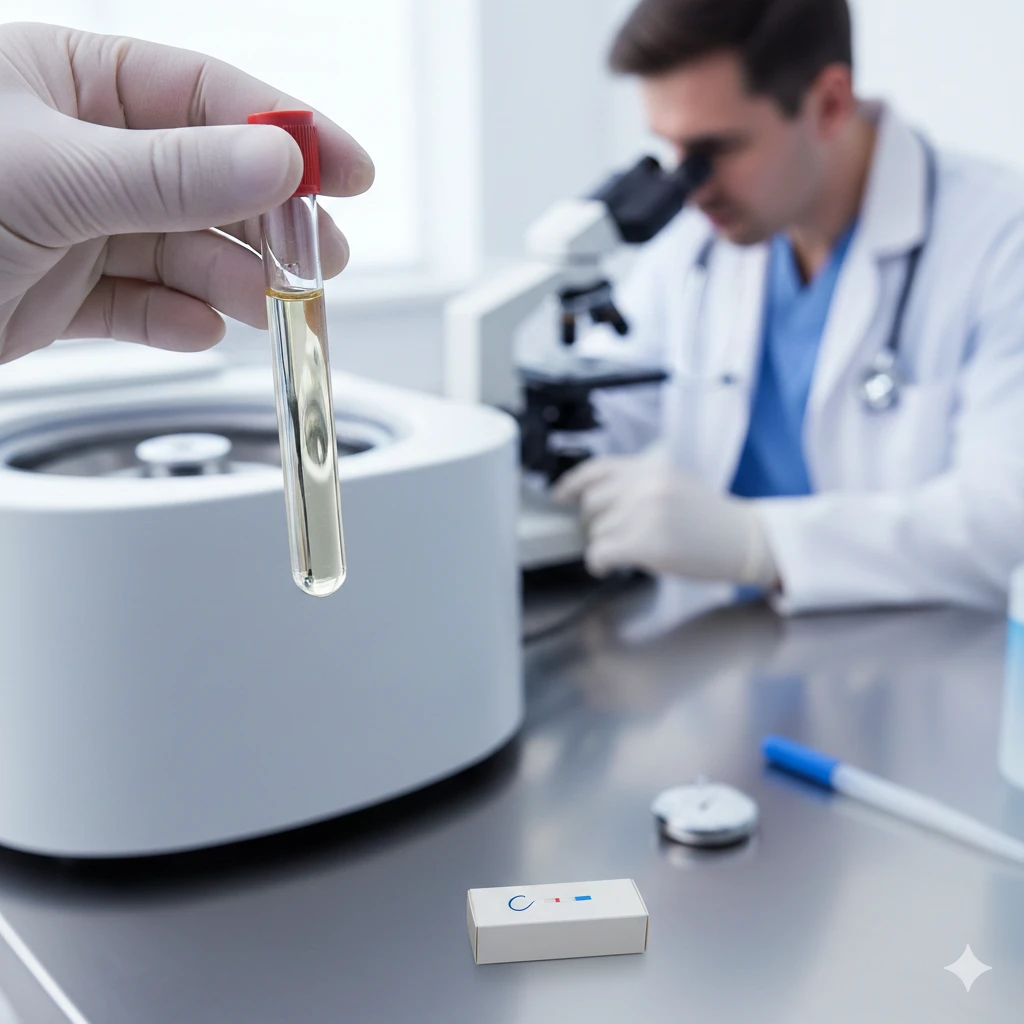 Serum Pregnancy Test (hCG)Confirms early pregnancy with high accuracy by measuring hCG levels in blood, allowing you to monitor your pregnancy and health from the very start with confidence.
 Pregnancy TestA reliable test to detect the pregnancy hormone in blood or urine, providing confirmed and fast results at the start of your journey to motherhood.
 Total Human Chorionic Gonadotropin (hCG) TestA comprehensive quantitative test to measure pregnancy hormone levels in the blood, used to accurately confirm pregnancy and monitor its healthy development or detect related medical conditions for optimal care.
 Beta-hCG Pregnancy TestA digital pregnancy hormone test for early and accurate detection, helping you monitor development and embark on your motherhood journey with confidence and peace of mind.
Explore the topic