
Lahalak Medical PlatformDifferentiate Care
Wondering if it's PMS or early pregnancy? Learn the key differences in cramping, breast pain, and nausea, and find out when to take a pregnancy test.

Advertisement
The waiting period before your expected period can be filled with anticipation and questions. The striking similarity between early pregnancy symptoms and premenstrual syndrome (PMS) is primarily driven by the hormone progesterone. Progesterone levels rise naturally after ovulation in both scenarios, preparing the uterine lining for a potential pregnancy. This hormonal surge triggers physical and emotional changes such as breast tenderness, bloating, and mood swings in both cases.
Despite these hormonal similarities, subtle differences and clinical details can help you distinguish between the two. It is crucial to understand that symptoms alone cannot confirm pregnancy; a validated test or clinical evaluation is always required for confirmation.
Cramping is a prominent shared symptom, but its characteristics differ significantly:
Breast tissue is highly sensitive to hormonal fluctuations, presenting differently in each case:
While mild fatigue is common before a period, the exhaustion associated with early pregnancy is often profound:
During early pregnancy, the rapid and continuous rise in progesterone, combined with increased blood production and lower blood pressure, leads to extreme fatigue. Women often report feeling completely drained and needing significantly more sleep, even after a full night's rest.
Nausea is one of the most distinguishing factors between PMS and pregnancy:
The pattern of any bleeding or spotting is a highly reliable indicator:
| Symptom | Premenstrual Syndrome (PMS) | Early Pregnancy |
|---|---|---|
| Cramping | Sharp, spasmodic cramps starting 1-2 days before period, resolving with flow. | Mild, persistent tugging or dull ache in the lower abdomen or back. |
| Breast Pain | Improves quickly once the menstrual period begins. | Persists and worsens, accompanied by darkening of the areolas. |
| Nausea/Vomiting | Very rare before a period. | Commonly starts early and can occur at any time of day. |
| Fatigue | Mild tiredness that resolves once the period starts. | Profound exhaustion and constant need for sleep. |
| Food Aversions | General cravings for sweet or salty foods. | Strong aversion to specific smells and intense cravings (cravings/aversions). |
| Spotting | No spotting; transitions directly into menstrual flow. | Light pink or brown spotting (implantation bleeding) for a short duration. |
Many women look for early signs of pregnancy a week before their missed period. While planning pregnancy, you might notice subtle changes due to the initial release of human chorionic gonadotropin (hCG) after implantation. These early signs can include frequent urination due to increased blood flow to the kidneys, rapid mood swings, mild headaches, and a metallic taste in the mouth.
However, because these symptoms overlap heavily with normal hormonal fluctuations, they should not be relied upon as definitive proof of pregnancy.
If you are experiencing symptoms and wondering "Am I pregnant?", the only reliable way to confirm is through objective testing:
During the early stages of suspected pregnancy, certain symptoms may indicate complications such as an ectopic pregnancy or threatened miscarriage. Seek immediate medical attention if you experience:
If you experience any of these symptoms, visit the nearest emergency department or consult your healthcare provider immediately to ensure your safety and receive appropriate pregnancy care.
Short answers that help clarify the key points related to this article.
Advertisement
Helpful services
Subscribe for new educational pregnancy and birth content from LahaLak.
Compare hospitals and prices by city and birth type, then continue to booking with clear steps.
Connected next steps
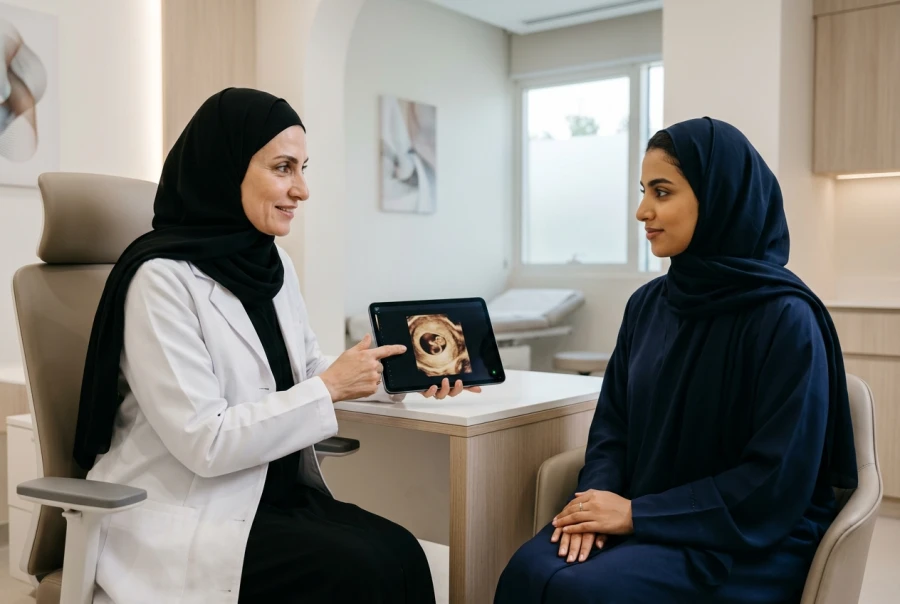 Early Pregnancy Viability and Dating Ultrasound (6-9 Weeks)Gain peace of mind during your first weeks of pregnancy with an early ultrasound scan to confirm fetal heartbeat, ensure proper uterine placement, and accurately determine gestational age.
 First Trimester Pregnancy Follow-up PackageComprehensive care during the first three months, including lab tests and ultrasounds to monitor maternal health and fetal growth, ensuring a safe and stable start.
 Progesterone Serum TestMonitor your reproductive health and confirm ovulation by measuring progesterone levels. This key hormone is vital for preparing the uterus and maintaining early pregnancy.
 Serum Prolactin Level TestExperiencing irregular cycles or unusual discharge? A Prolactin test is essential for diagnosing hormonal imbalances and fertility issues, helping you regain control over your reproductive health and well-being.