
Lahalak Medical PlatformDifferentiate Care
Learn about the symptoms of fertilization and embryo implantation, how to differentiate them from PMS, and when to consult a doctor.

Advertisement
Planning for pregnancy is an exciting journey filled with anticipation. This complex biological process begins when a healthy sperm fertilizes a mature egg in the fallopian tube. The fertilized egg then travels toward the uterus to implant itself into the nutrient-rich uterine lining. Many women look for early signs to confirm this conception before their next expected period. But are there definitive symptoms of fertilization and implantation?
From a medical standpoint, it is impossible to feel the exact moment of fertilization. This process occurs at a microscopic cellular level within the fallopian tube and does not trigger immediate hormonal shifts or physical sensations. Noticeable physical and hormonal changes only begin after the fertilized egg successfully implants into the uterine wall, which typically happens 6 to 12 days after ovulation.
Once the embryo attaches to the uterine lining (implantation), embryonic cells begin to secrete Human Chorionic Gonadotropin (hCG). This hormone, along with rising progesterone and estrogen levels, is responsible for early physical signs. Common symptoms include:
Implantation bleeding is a common early sign, occurring when the embryo disrupts tiny blood vessels in the uterine lining. It appears as very light spotting, pinkish or light brown in color, and is vastly different from the heavy, dark flow of a regular menstrual period.
Some women experience mild cramping or tugging sensations in the lower abdomen or lower back. These cramps are caused by hormonal shifts and the minor stretching of the uterus as it prepares to house the embryo, and they are generally much milder than menstrual cramps.
As pregnancy hormones rise, you may notice subtle physiological changes, such as:
Because premenstrual syndrome (PMS) closely mirrors early pregnancy signs, it can be difficult to tell them apart. The table below highlights the key differences:
| Symptom | Premenstrual Syndrome (PMS) | Implantation & Early Pregnancy |
|---|---|---|
| Bleeding Pattern | Continuous flow that gets heavier, lasting 3 to 7 days, dark red. | Very light spotting lasting only 1 to 2 days, pink or light brown. |
| Cramping Severity | Moderate to severe cramps starting before the period and resolving during it. | Very mild, transient pinching or light cramping in the lower abdomen. |
| Breast Tenderness | Gradually subsides once the menstrual flow begins. | Persists and often intensifies during the early weeks of pregnancy. |
| Fatigue | Temporary fatigue that improves after the period starts. | Persistent, deep exhaustion accompanied by an increased need for sleep. |
It is a common misconception that a lack of spotting means fertilization failed. Medical studies show that implantation bleeding occurs in only about 15% to 25% of healthy pregnancies. Therefore, not experiencing any spotting after ovulation is completely normal and does not lower your chances of a successful pregnancy.
While mild cramping and light spotting are normal preconception milestones, certain red flags require an urgent evaluation of bleeding or pain by an obstetrician to rule out complications like ectopic pregnancy or early miscarriage. Seek medical care immediately if you experience:
Physical symptoms alone cannot definitively confirm pregnancy. To obtain an accurate and medically sound confirmation, follow these steps:
Short answers that help clarify the key points related to this article.
Advertisement
Helpful services
Subscribe for new educational pregnancy and birth content from LahaLak.
Compare hospitals and prices by city and birth type, then continue to booking with clear steps.
From LahaLak guide

Medical article
Learn how to calculate your fertile window, recognize signs of ovulation, and manage irregular cycles to optimize your chances of conceiving safely.
Read article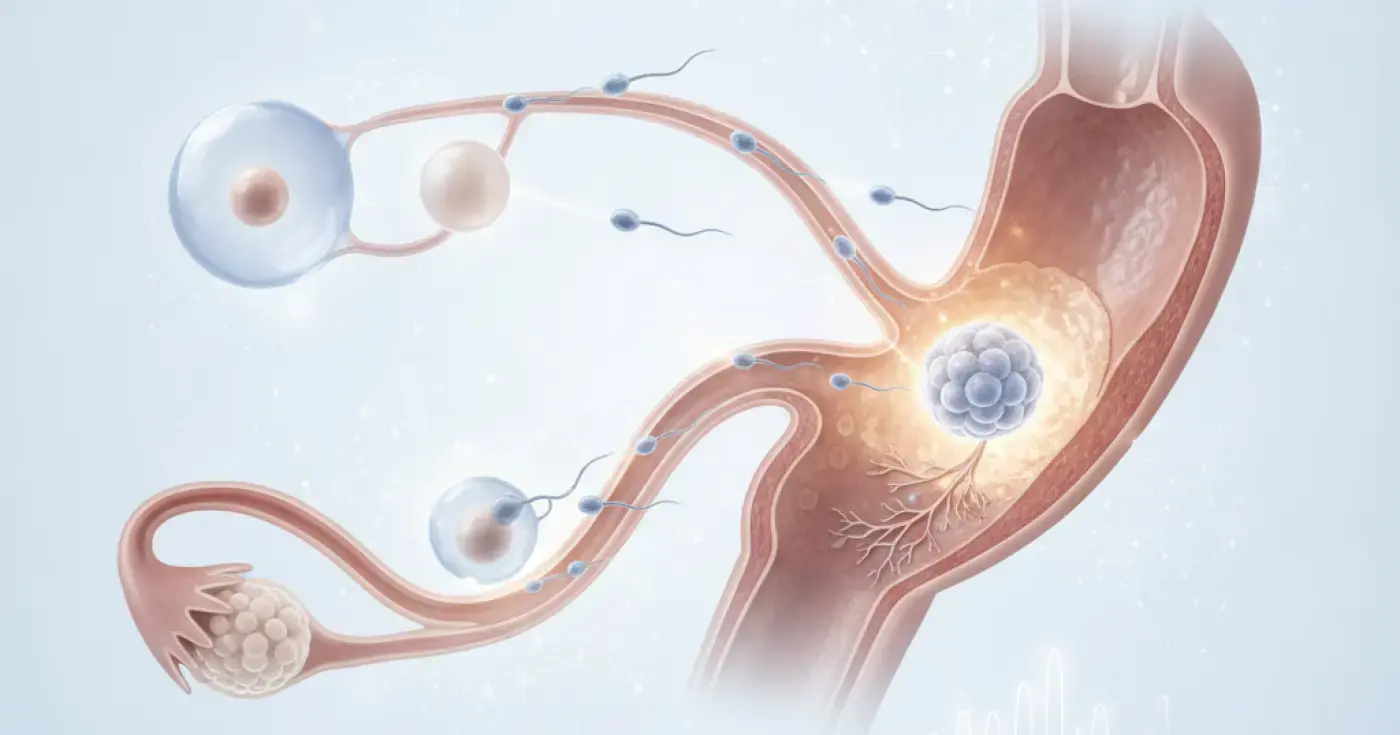
Medical article
A medical guide on how conception happens: where fertilization occurs, egg and sperm lifespan, implantation timeline, and when hCG is detected.
Read article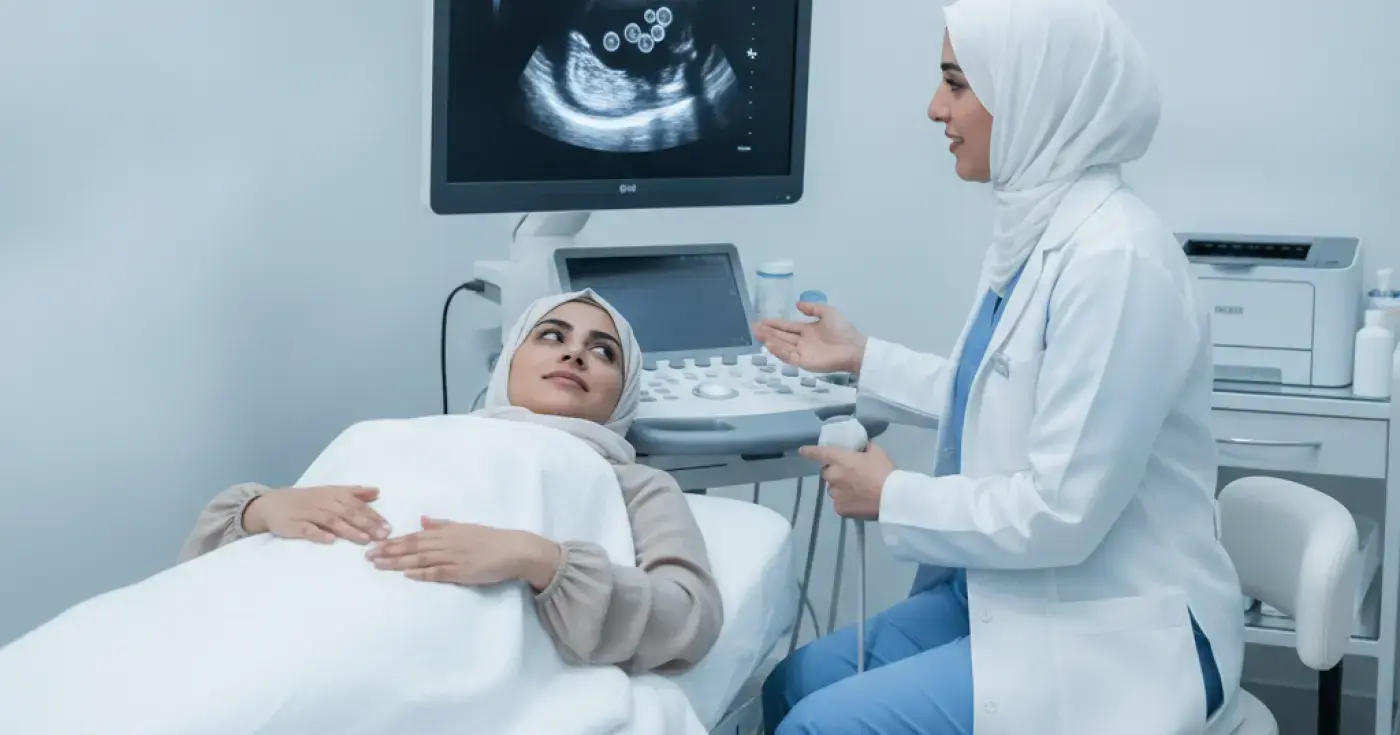
Medical article
Learn how serial follicular tracking ultrasound monitors follicle development and endometrial thickness to accurately identify your most fertile days.
Read articleConnected next steps
 Serum Pregnancy Test (hCG)Confirms early pregnancy with high accuracy by measuring hCG levels in blood, allowing you to monitor your pregnancy and health from the very start with confidence.
 Total Human Chorionic Gonadotropin (hCG) TestA comprehensive quantitative test to measure pregnancy hormone levels in the blood, used to accurately confirm pregnancy and monitor its healthy development or detect related medical conditions for optimal care.
 Beta-hCG Pregnancy TestA digital pregnancy hormone test for early and accurate detection, helping you monitor development and embark on your motherhood journey with confidence and peace of mind.
 Luteinizing Hormone (LH) TestThe key to fertility and precise ovulation tracking; helps diagnose menstrual irregularities and infertility causes in both men and women for reproductive health.
Explore the topic