
Lahalak Medical PlatformDifferentiate Care
Learn the warning signs of changing moles. Discover the ABCDE criteria, normal vs. abnormal changes, and when to see a dermatologist.
Advertisement
Moles (nevi) are common skin growths that develop when pigment-producing cells, called melanocytes, grow in clusters. For the vast majority of people, moles are entirely benign and harmless. However, any noticeable change in a mole's color, size, shape, or texture can be an early warning sign of abnormal cellular activity, including skin cancer. Recognizing these changes early is crucial for effective intervention.
Dermatologists use the ABCDE acronym as a highly effective screening tool to help individuals perform regular skin self-exams and identify atypical moles that require professional evaluation:
Benign moles are typically symmetrical. If you draw a line through the middle of a healthy mole, both halves will match. An asymmetrical shape, where one half does not look like the other, is a key warning sign.
Normal moles have smooth, well-defined, and distinct borders. If the edges of a mole are jagged, notched, blurred, or poorly defined against the surrounding skin, it warrants medical attention.
A safe mole usually exhibits a single, uniform shade of brown, tan, or black. If a mole displays multiple colors, or shades of brown, black, pink, red, white, or blue, it should be evaluated by a specialist.
While melanomas can sometimes be small, benign moles are generally smaller than 6 millimeters in diameter (about the size of a pencil eraser). Any mole larger than this, or one that is growing, should be monitored closely.
Evolution is the most critical factor. If a mole is changing in size, shape, color, or elevation, or if it begins to itch, bleed, crust, or ooze, it is evolving and requires an immediate dermatologist consultation.
The table below highlights the key differences between normal physiological changes in moles and concerning signs that require clinical evaluation:
| Type of Change | Normal Changes (Usually Safe) | Concerning Changes (Require Evaluation) |
|---|---|---|
| Growth Rate | Very slow growth over years, proportional to body growth during youth. | Rapid, noticeable increase in size over weeks or months. |
| Hormonal Influence | Slight, uniform darkening during pregnancy or puberty. | Irregular darkening, spreading pigment, or multi-colored changes. |
| Texture & Surface | Gradual elevation from flat to raised while remaining smooth. | Sudden scaling, crusting, hardening, or spontaneous bleeding. |
| Color Consistency | Consistent single shade that may fade slightly with age. | Development of multiple colors or a sudden dark black appearance. |
Beyond visual changes, certain physical sensations associated with a mole are strong indicators that you should seek medical advice:
Certain genetic and environmental factors can increase the likelihood of a mole developing into melanoma. These risk factors include:
If you schedule an appointment to have a changing mole evaluated, the dermatologist will perform a thorough clinical assessment:
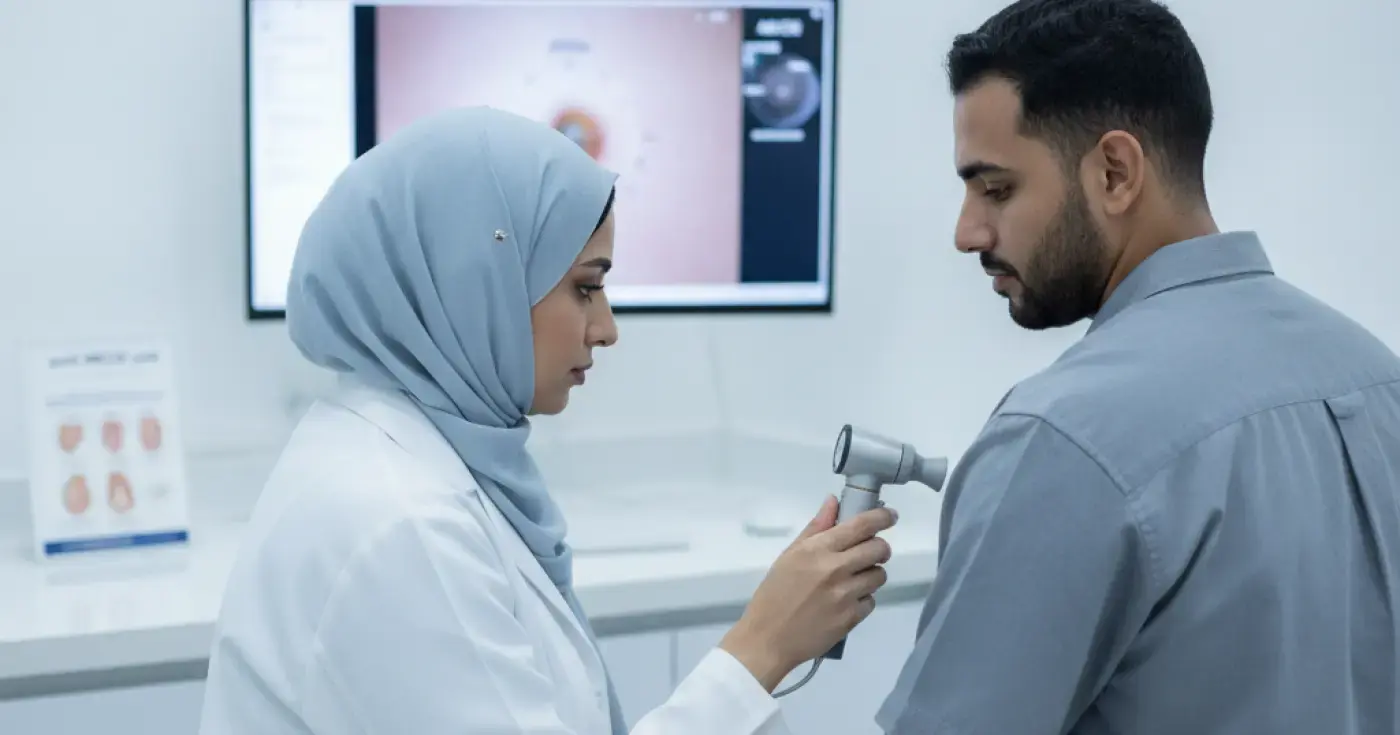
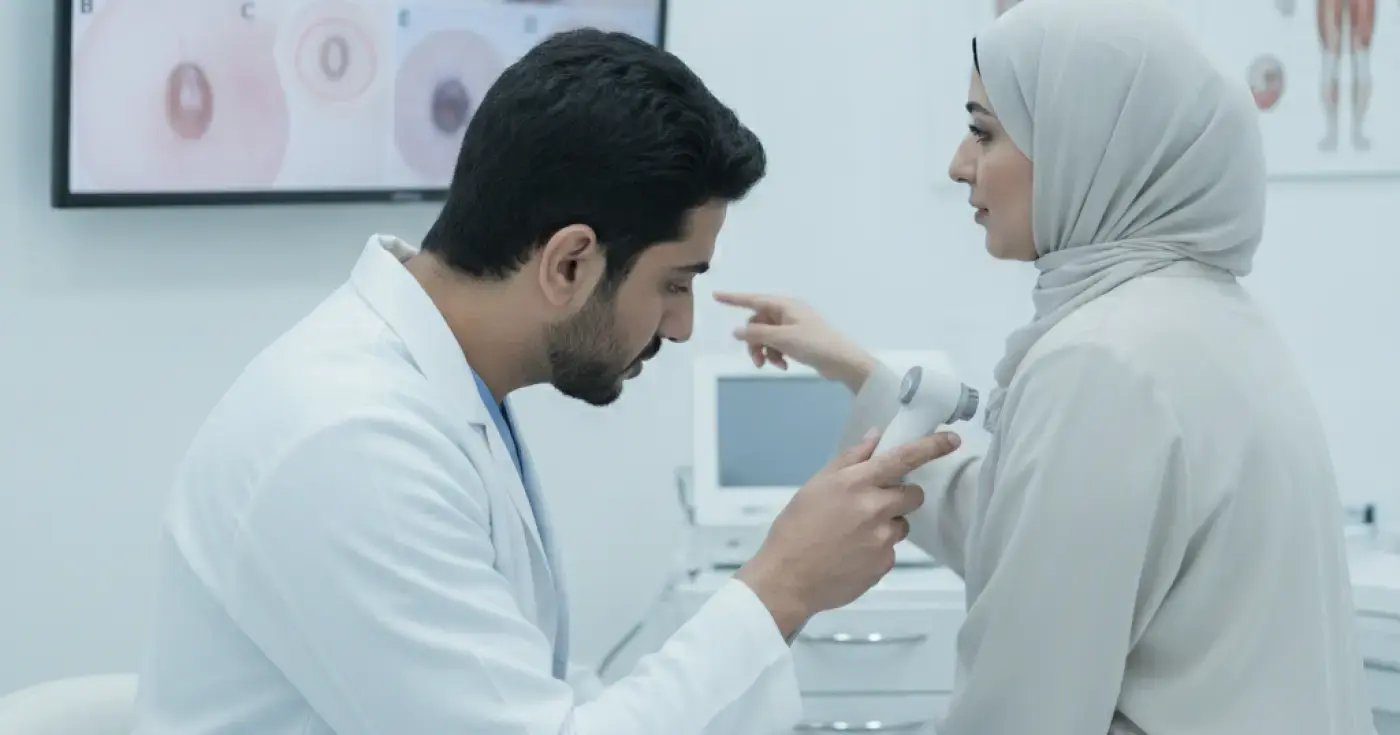
The specialist will perform a dermoscopy examination using a specialized handheld magnifier. This tool allows them to visualize the pigment patterns and vascular structures beneath the skin's surface with high precision.
If the dermatologist identifies any suspicious features, they will perform a skin biopsy under local anesthesia. The mole (or a portion of it) is removed and sent to a pathology lab to determine whether cancer cells are present.
Protecting your skin from UV damage is the most effective way to prevent abnormal mole changes and skin cancer. Follow these essential guidelines:
A change in a mole's color or size is not a definitive diagnosis of skin cancer, but it is a vital signal from your body that should never be ignored. Early detection of atypical changes significantly improves treatment outcomes. At LahaLak, we encourage you to prioritize your skin health and consult a qualified dermatologist if you notice any warning signs. Taking proactive steps today ensures peace of mind and protects your long-term well-being.
Clear, direct answers
Advertisement
Continue exploring
Learn how to tell the difference between benign and suspicious moles using the ABCDE rule. Discover warning signs, prevention tips, and when to see a doctor.
Read article
Learn the warning signs in moles using the ABCDE rule. Discover when to consult a dermatologist for skin cancer screening and evaluation.
Read article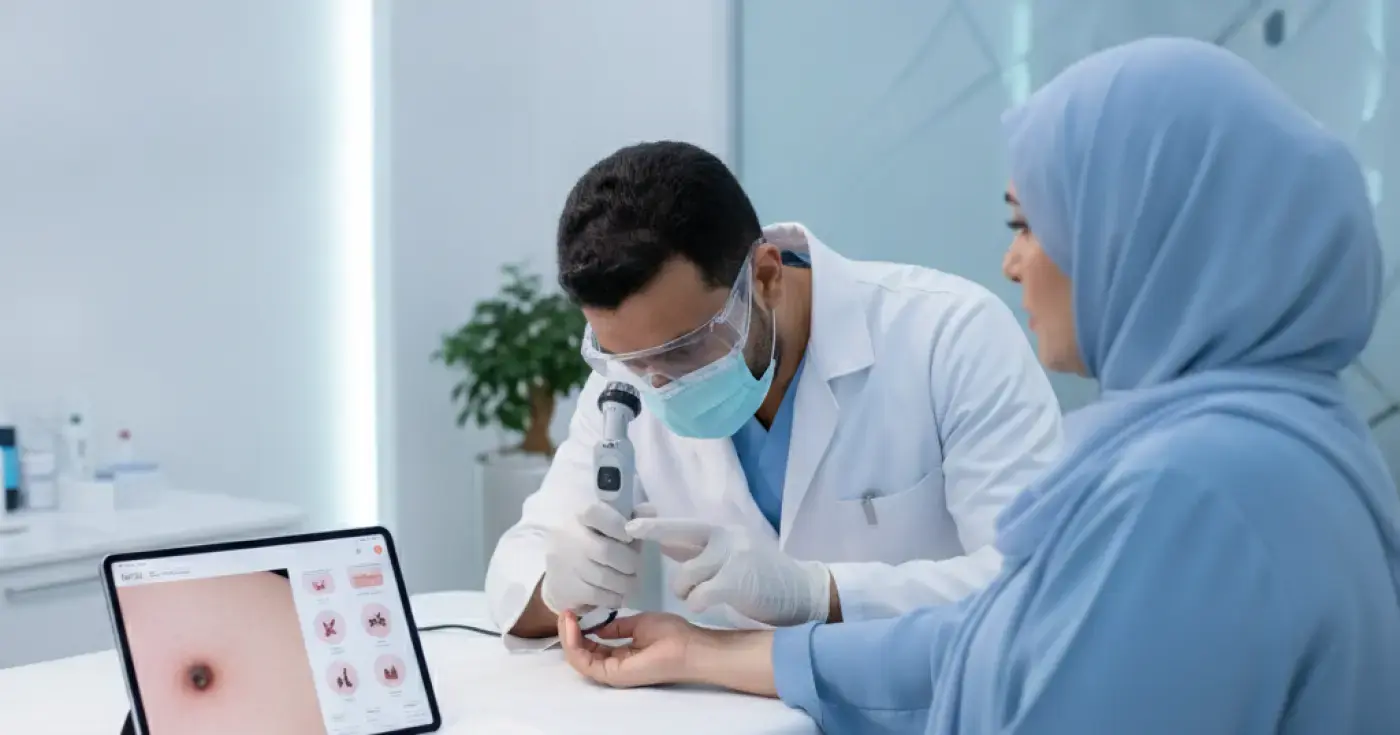
Learn how to identify normal moles, recognize atypical warning signs using the ABCDE rule, and know when to seek a professional skin examination.
Read article