
Lahalak Medical PlatformDifferentiate Care
Learn the warning signs of a serious skin rash, how to distinguish mild from emergency cases, and when to seek immediate medical attention.

Advertisement
The skin is the largest organ of the human body, serving as the primary barrier against environmental pathogens, physical trauma, and chemical irritants. When a sudden or persistent skin rash develops, it is rarely just a cosmetic concern or a superficial irritation. Instead, a rash is often an immunological response or a cutaneous manifestation of an underlying systemic condition that requires careful clinical evaluation.
At LahaLak medical platform, we are committed to providing high-quality health education to empower patients to make informed decisions. Understanding the nature of skin rashes and recognizing the warning signs that accompany serious conditions can significantly impact treatment outcomes and prevent severe complications. In this comprehensive guide, we will discuss when a skin rash can be managed with basic home care and when it represents a medical emergency that requires immediate attention or a dermatologist consultation.
To determine the severity of a skin rash, it is essential to understand the common types that affect individuals across different age groups. Rashes are generally classified based on their underlying etiology:
Certain clinical signs and symptoms, when associated with a skin rash, indicate a potentially life-threatening systemic reaction or severe dermatological emergency. If you experience any of the following, do not wait for an outpatient appointment; proceed to the nearest emergency department immediately:
A rash accompanied by a high fever and chills suggests a systemic infection. This combination can be a sign of serious, rapidly progressing conditions such as meningococcemia, scarlet fever, or sepsis, which require urgent intravenous antibiotic therapy.
A rash that spreads rapidly across large areas of the body within minutes or hours is a major warning sign. This rapid progression is frequently associated with anaphylaxis—a severe, systemic allergic reaction—especially if accompanied by difficulty breathing, wheezing, or facial swelling.
If the rash develops into large fluid-filled blisters or open sores, particularly involving the mucous membranes (such as the mouth, eyes, and genital area), it may indicate a severe cutaneous adverse reaction like Stevens-Johnson Syndrome (SJS) or Toxic Epidermal Necrolysis (TEN). These are medical emergencies requiring specialized burn unit or ICU care.
While mild rashes may itch or feel uncomfortable, severe, deep pain localized to the rash is a significant red flag. It can indicate deep bacterial infections like cellulitis, shingles (herpes zoster), or necrotizing fasciitis (a rare but life-threatening bacterial infection).
If the rash begins to ooze yellow or green pus, feels warm to the touch, or is accompanied by red streaks spreading toward the body, these are clear signs of a secondary bacterial infection that requires prompt medical evaluation and prescription antibiotics.
To help you perform an initial assessment, the following table outlines the key differences between a mild rash and a potentially serious or emergency condition:
| Clinical Feature | Mild Rash (Outpatient/Home Care) | Serious Rash (Emergency Care) |
|---|---|---|
| Onset & Spread | Gradual, localized to a specific area | Sudden, rapidly spreading across the body |
| Associated Symptoms | Mild to moderate itching, localized dryness | Fever, difficulty breathing, facial swelling, dizziness |
| Pain & Blistering | No severe pain, no fluid-filled blisters | Intense pain, extensive blistering, skin peeling |
| Mucosal Involvement | Does not affect the mouth, eyes, or genitals | Causes painful ulcers in the mouth, eyes, or genitals |
| Response to Treatment | Improves with gentle moisturizers or OTC antihistamines | Worsens rapidly despite basic topical interventions |
Even in the absence of emergency red flags, many rashes require professional evaluation to prevent them from becoming chronic or causing permanent skin damage. You should schedule an appointment if:
When you visit a dermatologist for a skin rash, the physician will perform a structured clinical evaluation to determine the precise diagnosis and formulate an effective treatment plan. This process typically includes:
First, a detailed medical history is taken, focusing on the onset of the rash, associated symptoms, family history of dermatological conditions, recent medication changes, and exposure to potential allergens. Second, a thorough physical examination of the skin is performed to analyze the morphology, distribution, and configuration of the lesions. In complex cases, the dermatologist may utilize specialized tools such as the Eczema Severity Index, perform a skin biopsy for histopathological analysis, or order comprehensive blood tests to rule out systemic autoimmune or infectious diseases.
Several myths surrounding skin rashes can lead to delayed treatment or inappropriate self-medication. It is important to clarify these misconceptions:
While waiting for your medical appointment, you can manage mild symptoms safely by following these clinical guidelines:
In conclusion, a skin rash is a vital communication channel through which your body signals underlying physiological changes. While many rashes are benign and self-limiting, recognizing the clinical red flags is essential for timely intervention. Early and accurate diagnosis by a qualified dermatologist ensures targeted treatment and prevents long-term complications. For professional guidance and personalized care, do not hesitate to seek medical advice through the LahaLak platform.
Clear, direct answers
Advertisement
Continue exploring

Learn about heat rash (miliaria) and sweat-induced rashes. Discover causes, symptoms, treatments, and prevention tips for hot weather.
Read article
Learn how to identify and manage hives (urticaria) caused by food or medications. Discover symptoms, triggers, and when to seek urgent medical care.
Read article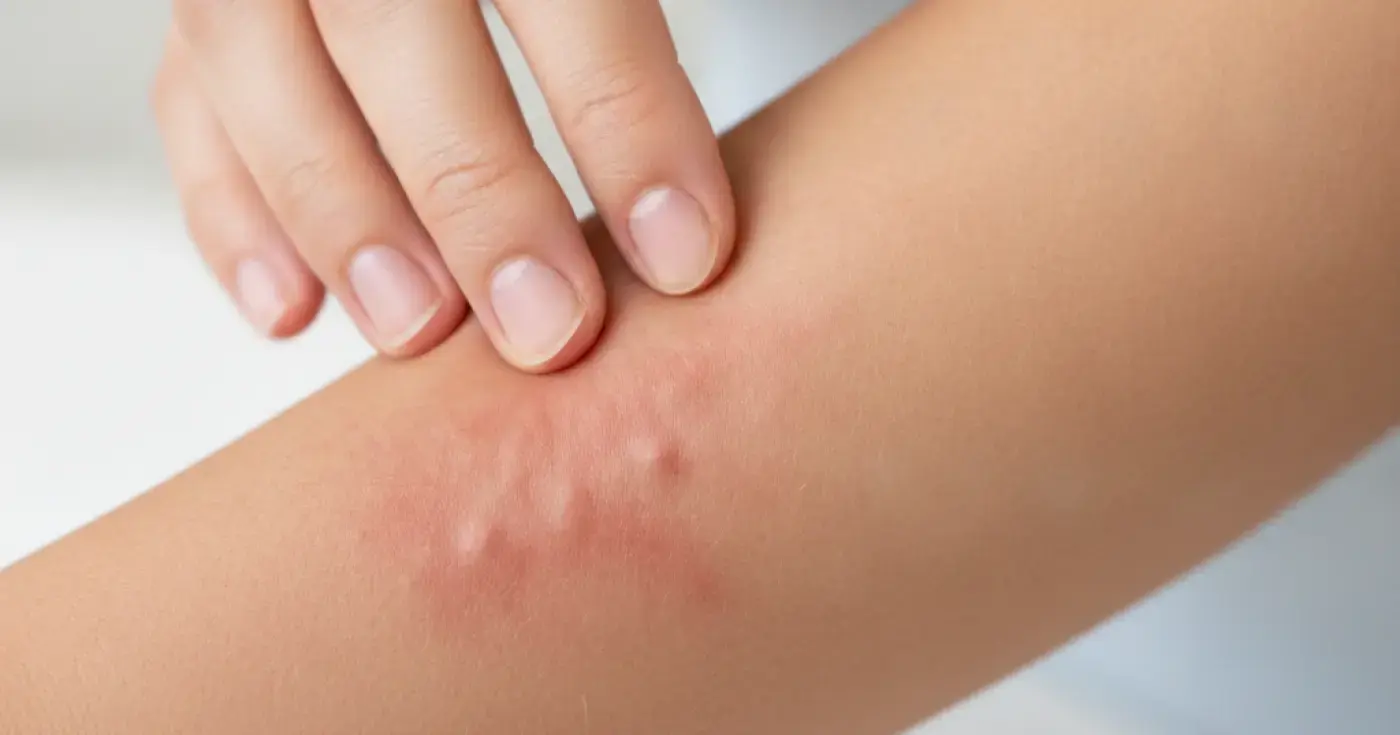
Learn about the most common causes of itchy skin rashes, when to see a doctor, and evidence-based medical and home relief methods.
Read articleExplore the topic