
Lahalak Medical PlatformDifferentiate Care
Learn about heat rash (miliaria) and sweat-induced rashes. Discover causes, symptoms, treatments, and prevention tips for hot weather.
Advertisement
Skin rashes associated with heat and sweating are common dermatological concerns that peak during hot and humid seasons, particularly in arid and desert climates like Saudi Arabia. These conditions arise from physiological and environmental factors that irritate the skin, causing itchy, uncomfortable red bumps or patches. In this comprehensive medical guide, we will explore the different types of heat rashes, their causes, how to differentiate between them, and clinically approved treatment and prevention methods.
Heat rash, medically known as miliaria or prickly heat, is a skin condition that occurs when the sweat ducts become blocked or plugged. This obstruction prevents sweat from reaching the skin surface to evaporate, causing it to leak into the surrounding skin layers and trigger localized inflammation. While it affects individuals of all ages, it is exceptionally common in infants and young children due to their underdeveloped sweat ducts.
Dermatologists classify miliaria into three main types based on the depth of the sweat duct obstruction within the skin layers:
It is clinically crucial to distinguish between obstructive heat rash (miliaria) and cholinergic urticaria (often referred to as sweat allergy). Cholinergic urticaria is a type of hives triggered by an increase in core body temperature, whether from intense exercise, hot showers, emotional stress, or spicy foods. In this condition, the immune system releases histamine in response to cholinergic nerve signals, resulting in highly itchy, raised red wheals within minutes of sweating.
Several environmental and physical factors contribute to the development of skin rashes after sweating, including:
While heat rash is usually a benign condition that resolves on its own once the body cools down, you should monitor for signs of secondary bacterial infections, such as:
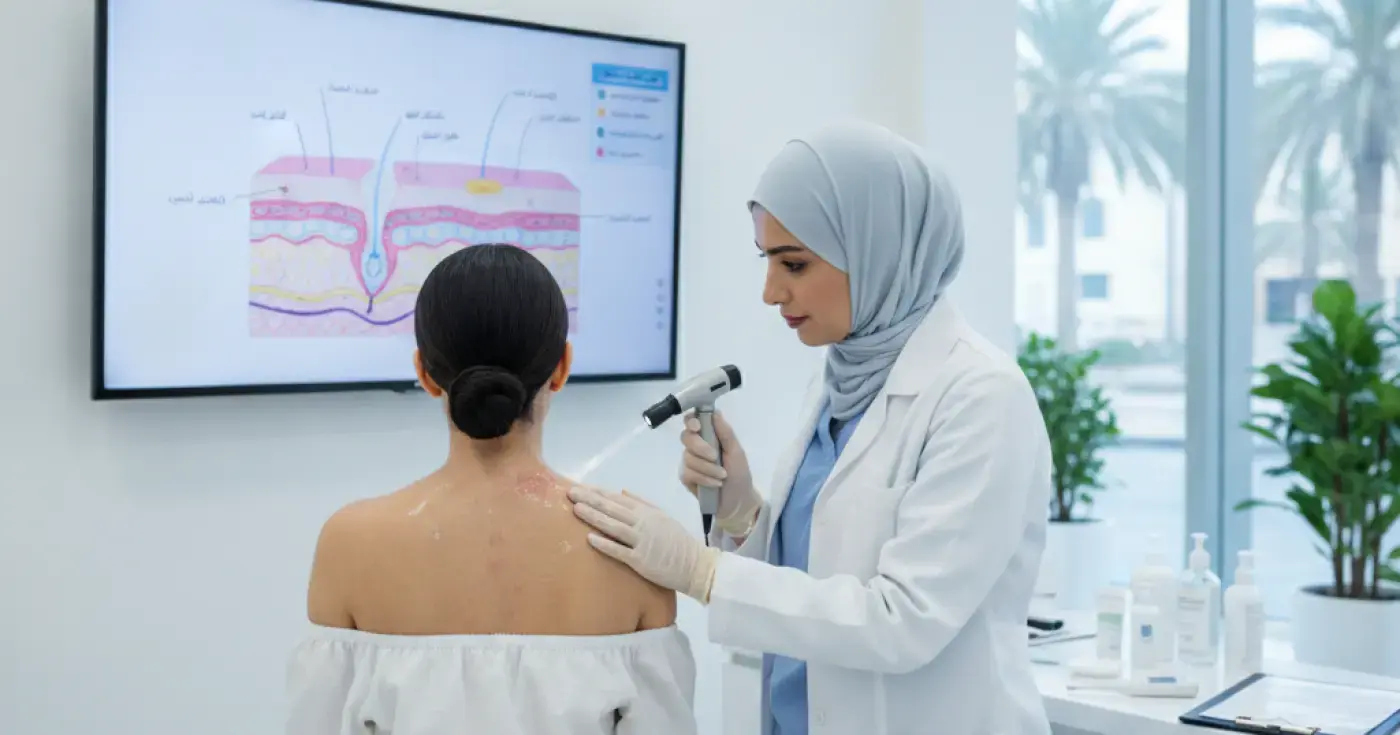
Diagnosis of heat rash is primarily based on a visual clinical examination by a specialist, evaluating the appearance and distribution of the rash, along with a medical history of recent activities. In rare cases, a dermatologist may recommend a skin allergy test or a small skin biopsy to rule out other dermatological conditions with similar presentations.
The primary goal of treating heat and sweat-induced rashes is to cool the skin and reduce sweating to allow the sweat ducts to heal. Recommended measures include:
To help differentiate between these two common heat-related skin conditions, the following table outlines their key differences:
| Aspect | Heat Rash (Miliaria) | Cholinergic Urticaria |
|---|---|---|
| Physiological Mechanism | Mechanical blockage of sweat ducts, trapping sweat beneath the skin. | Immune response and histamine release triggered by elevated core body temperature. |
| Clinical Appearance | Tiny, red or clear blisters, typically in friction areas and skin folds. | Raised red patches (wheals) surrounded by a wider red flare. |
| Onset of Symptoms | Develops gradually after hours or days of continuous heat exposure. | Appears rapidly (within minutes) after sweating or physical exertion. |
| Primary Management | Cooling the body, avoiding sweat, using calamine lotion, and wearing cotton. | Oral antihistamines and avoiding intense thermal triggers. |
To effectively prevent heat and sweat-induced rashes, it is highly recommended to follow proper sensitive skin care and environmental prevention guidelines:
Although heat and sweat rashes are generally mild conditions that can be managed at home, persistent or worsening symptoms always warrant a dermatologist consultation to ensure an accurate diagnosis, receive appropriate treatment, and prevent complications that could affect your quality of life.
Clear, direct answers
Advertisement
Continue exploring

Learn how to identify and manage hives (urticaria) caused by food or medications. Discover symptoms, triggers, and when to seek urgent medical care.
Read article
Learn about the most common causes of itchy skin rashes, when to see a doctor, and evidence-based medical and home relief methods.
Read article
Learn the link between allergies and hives (urticaria). Discover common physical and dietary triggers, symptoms, medical treatments, and prevention tips.
Read article