
Lahalak Medical PlatformDifferentiate Care
Learn about the most common causes of itchy skin rashes, when to see a doctor, and evidence-based medical and home relief methods.
Advertisement
The skin acts as the body's primary protective barrier and is a key indicator of overall health. When exposed to certain triggers, the skin can react by developing an itchy rash. This common dermatological issue can significantly impact daily activities and sleep quality, making it essential to understand the underlying causes to find safe, effective relief and prevent complications.
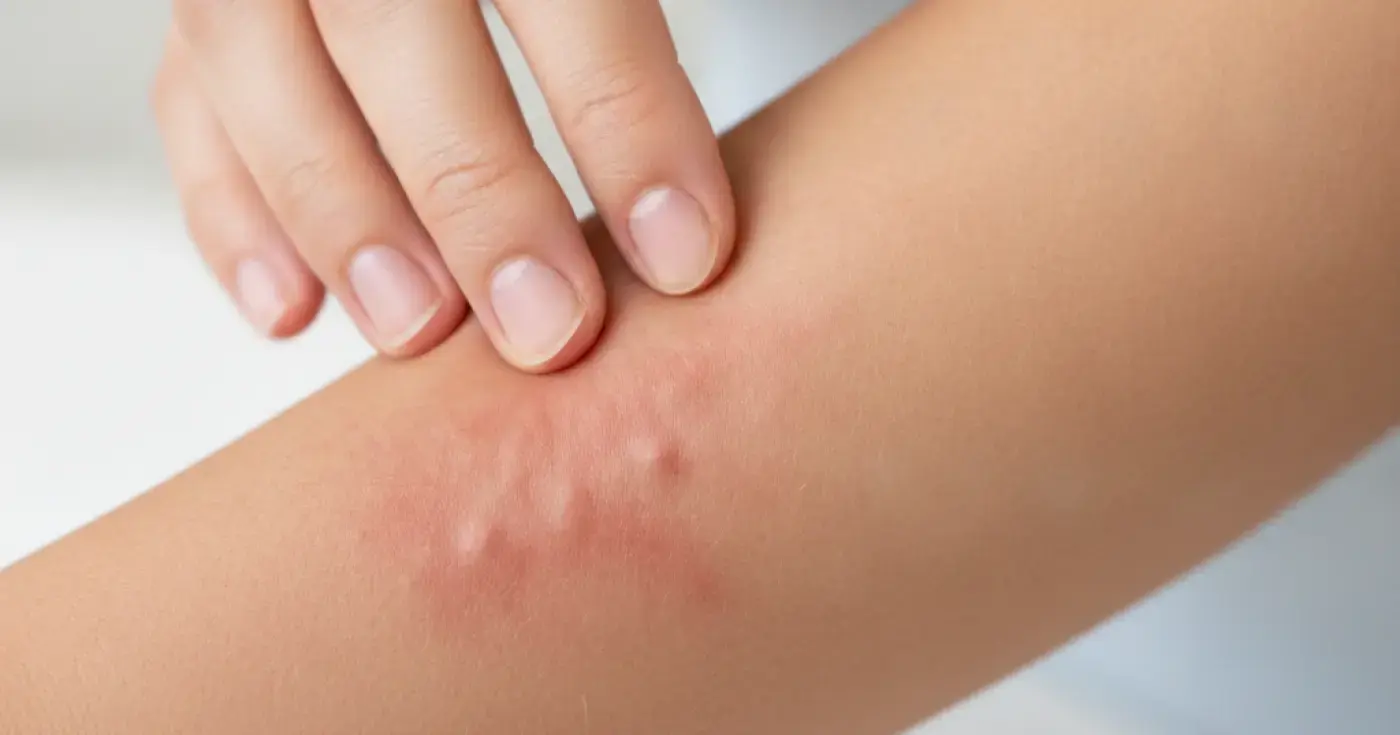
A skin rash is a noticeable change in the texture or color of the skin, often presenting as redness, bumps, blisters, or scaling. When accompanied by pruritus (the medical term for itching), it indicates localized inflammation. Itching is a sensory response triggered by the nervous system, often due to the release of chemicals like histamine in the skin layers.
There are numerous factors that can cause an itchy skin rash, which can be categorized into several primary groups:
A chronic inflammatory skin condition that typically begins in childhood but can persist or appear in adulthood. It is characterized by dry, red, and intensely itchy skin, which often worsens at night. Eczema is frequently linked to a personal or family history of allergies or asthma.
This occurs when the skin comes into direct contact with an allergen or an irritant. Common culprits include fragrances, cosmetics, certain metals like nickel found in jewelry, soaps, and household detergents.
A sudden outbreak of swollen, pale red bumps or plaques (wheals) on the skin that itch intensely. Hives can be triggered by allergic reactions to food or medication, physical triggers like cold or heat, or emotional stress.
Infections caused by fungi (such as ringworm), viruses (such as chickenpox or shingles), or parasites (such as scabies) can cause itchy rashes. These conditions are often contagious and require specific antimicrobial treatments.
| Rash Type | Clinical Appearance | Typical Location | Primary Triggers |
|---|---|---|---|
| Atopic Dermatitis (Eczema) | Dry, scaly, red patches | Elbow creases, back of knees, face | Dryness, weather changes, stress |
| Contact Dermatitis | Localized redness, sometimes with tiny blisters | Direct area of contact with the substance | Fragrances, nickel, harsh soaps |
| Urticaria (Hives) | Raised, transient red or skin-colored wheals | Can appear anywhere on the body | Allergens, medications, stress |
| Fungal Infection (Tinea) | Circular red patches with raised, scaly borders | Moist areas, feet, groin | Moisture, poor ventilation, contact |
While most skin rashes are not life-threatening, certain symptoms indicate a medical emergency or require prompt evaluation by a healthcare provider:
During a dermatology consultation, a specialist will physically examine the rash and review your medical history. To pinpoint the exact cause, they may recommend an allergy skin test (such as a patch test) or perform a skin scraping to rule out fungal or parasitic infections.
Managing an itchy skin rash effectively requires a combination of self-care measures and targeted medical treatments:
If home care is insufficient, a doctor may prescribe medications, including:
A widespread misconception is that scratching an itchy rash helps it heal. In reality, scratching damages the skin barrier, increases the risk of secondary bacterial infections, and triggers a "scratch-itch cycle" that worsens the condition. Another myth is that all rashes are contagious; however, non-infectious rashes like eczema and contact dermatitis cannot be transmitted to others.
To prevent future flare-ups, identify and avoid known triggers, choose fragrance-free personal care products, stay hydrated by drinking plenty of water, and gently pat your skin dry with a towel after bathing rather than rubbing vigorously.
Clear, direct answers
Advertisement
Continue exploring

Learn the link between allergies and hives (urticaria). Discover common physical and dietary triggers, symptoms, medical treatments, and prevention tips.
Read article
A comprehensive medical guide on the causes of sudden skin rashes in children and adults, key symptoms, diagnosis, and when to seek urgent care.
Read article
Learn the differences between acute and chronic urticaria (hives), their causes, triggers, and when to seek medical treatment.
Read article