
Lahalak Medical PlatformDifferentiate Care
Learn the differences between acute and chronic urticaria (hives), their causes, triggers, and when to seek medical treatment.
Advertisement
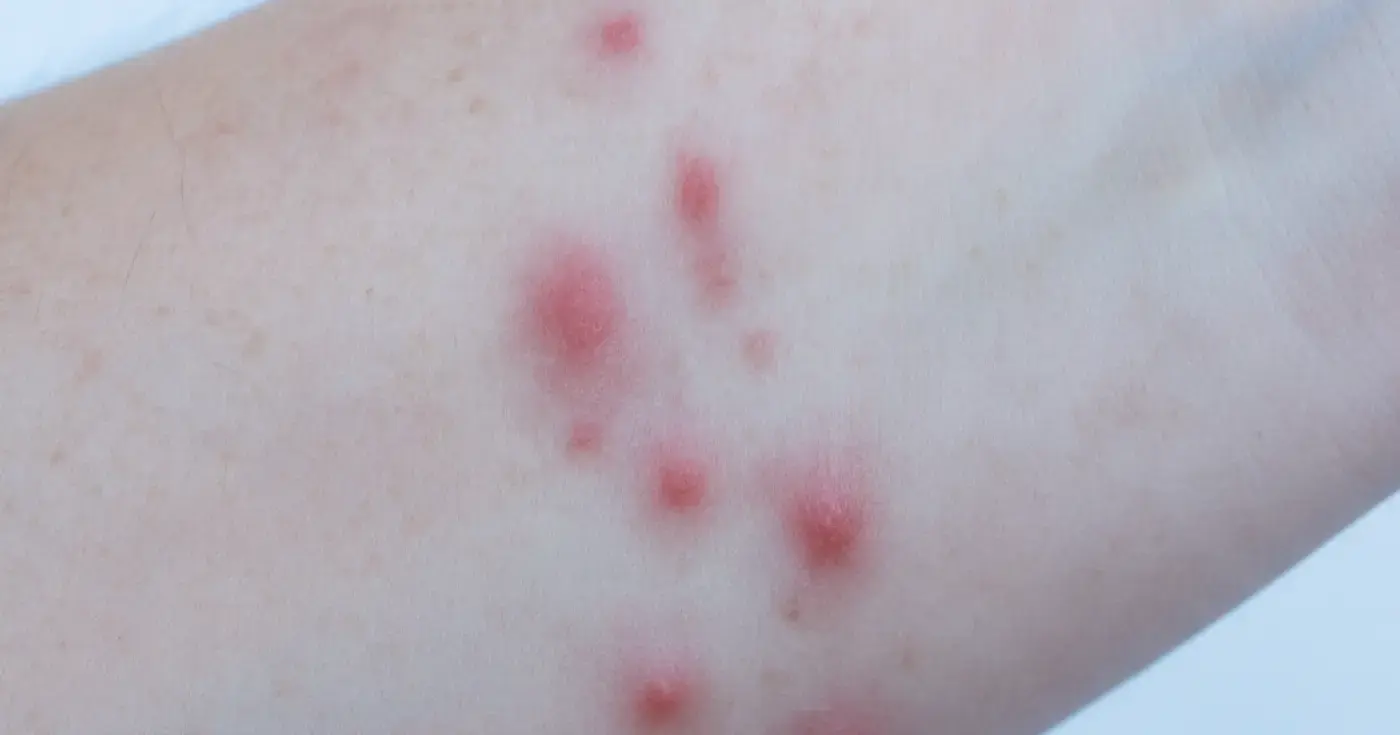
Urticaria, commonly known as hives, is one of the most frequent dermatological conditions encountered by healthcare professionals. It presents as raised, red or pink, intensely itchy skin welts (wheals). These lesions can appear anywhere on the body, characteristically changing shape and size rapidly, and typically resolving within 24 hours without leaving permanent scars. Clinically, urticaria is classified into two primary categories based on duration: acute and chronic. Distinguishing between these two types is essential for establishing an effective management plan and preventing potential complications.
Acute urticaria is defined as hives that persist for less than six weeks. In most cases, the symptoms resolve spontaneously within a few days to a couple of weeks. Acute urticaria is frequently a hypersensitivity reaction triggered by a specific external factor. Common triggers include certain foods (such as nuts, shellfish, and eggs), medications (including antibiotics and nonsteroidal anti-inflammatory drugs), viral or bacterial infections, insect stings, or direct contact with latex or other chemical allergens.
In contrast, urticaria is classified as chronic when hives and intense itching occur almost daily, or several times a week, for more than six weeks. Chronic urticaria can persist for months or even years, significantly impacting the patient's quality of life, sleep patterns, and daily activities. It is subdivided into two main types: Chronic Spontaneous Urticaria (CSU), where hives appear without any identifiable external trigger, and Chronic Inducible Urticaria (CIndU), which is triggered by specific physical stimuli such as cold, heat, pressure, exercise, or sunlight.
To help distinguish between these two clinical presentations, the following table outlines the key differences in duration, etiology, diagnosis, and treatment:
| Feature | Acute Urticaria | Chronic Urticaria |
|---|---|---|
| Duration | Less than 6 weeks (usually days to 2 weeks) | More than 6 weeks (can last for months or years) |
| Primary Causes | Allergic reactions to food, drugs, infections, or insect bites | Often autoimmune, idiopathic, or triggered by physical factors |
| Diagnosis | Clinical evaluation based on medical history and physical exam | Detailed clinical history and exclusion of systemic diseases |
| Laboratory Tests | Rarely required unless a specific severe allergy is suspected | May include CBC, thyroid function tests, and inflammatory markers |
| First-Line Treatment | Non-sedating antihistamines and trigger avoidance | Standard or up-dosed non-sedating antihistamines under supervision |
| Impact on Quality of Life | Temporary and self-limiting | Persistent, often causing sleep disturbance and anxiety |
The underlying mechanism of urticaria involves the activation of mast cells in the skin. When these cells are activated—either by IgE-mediated allergic pathways in acute cases or by autoimmune mechanisms in chronic cases—they release potent chemical mediators, primarily histamine. Histamine release causes localized vasodilation and increased vascular permeability, allowing fluid to leak into the surrounding dermal tissue. This process results in the characteristic swelling (wheals) and intense itching caused by the stimulation of sensory nerve endings.
While urticaria itself is generally not life-threatening, it can sometimes occur as part of a severe, systemic allergic reaction known as anaphylaxis. You must seek emergency medical care immediately if your hives are accompanied by any of the following symptoms: difficulty breathing or swallowing, swelling of the lips, tongue, or throat (angioedema), severe dizziness or fainting, nausea and vomiting with abdominal pain, or sudden hoarseness. These symptoms require urgent treatment with epinephrine.
Diagnosing urticaria begins with a comprehensive medical history and a thorough physical examination. Your doctor will ask about the onset of the hives, how long individual lesions last, the presence of pain or itching, and any potential exposures to new foods, medications, or environmental triggers. For chronic cases, a dermatologist may recommend a fحص الحساسية المخبري (allergy test) or blood tests to rule out underlying thyroid disease or autoimmune conditions. An accurate diagnosis ensures a targeted and effective treatment plan.
The primary goals of treating urticaria are to relieve itching, reduce swelling, and improve the patient's quality of life. Standard medical options include:
To receive a personalized evaluation and find the most suitable treatment, it is highly recommended to schedule a استشارة طبيب الجلدية (dermatology consultation).
In addition to medical treatments, self-care measures and lifestyle adjustments can help reduce the frequency of flare-ups and soothe irritated skin. Consider the following recommendations:
For more detailed skin care advice during allergic flare-ups, you can refer to our دليل التعامل مع الحساسية الجلدية (skin allergy management guide).
In conclusion, urticaria is a common skin condition that requires a clear understanding of its duration and underlying causes. While acute urticaria is typically transient and linked to an identifiable trigger, chronic urticaria presents a longer-term clinical challenge that requires patience, regular follow-ups with a specialist, and advanced therapeutic options when standard treatments fail. Early diagnosis and proper medical management remain the keys to successfully controlling symptoms and restoring your quality of life.
Clear, direct answers
Advertisement
Continue exploring
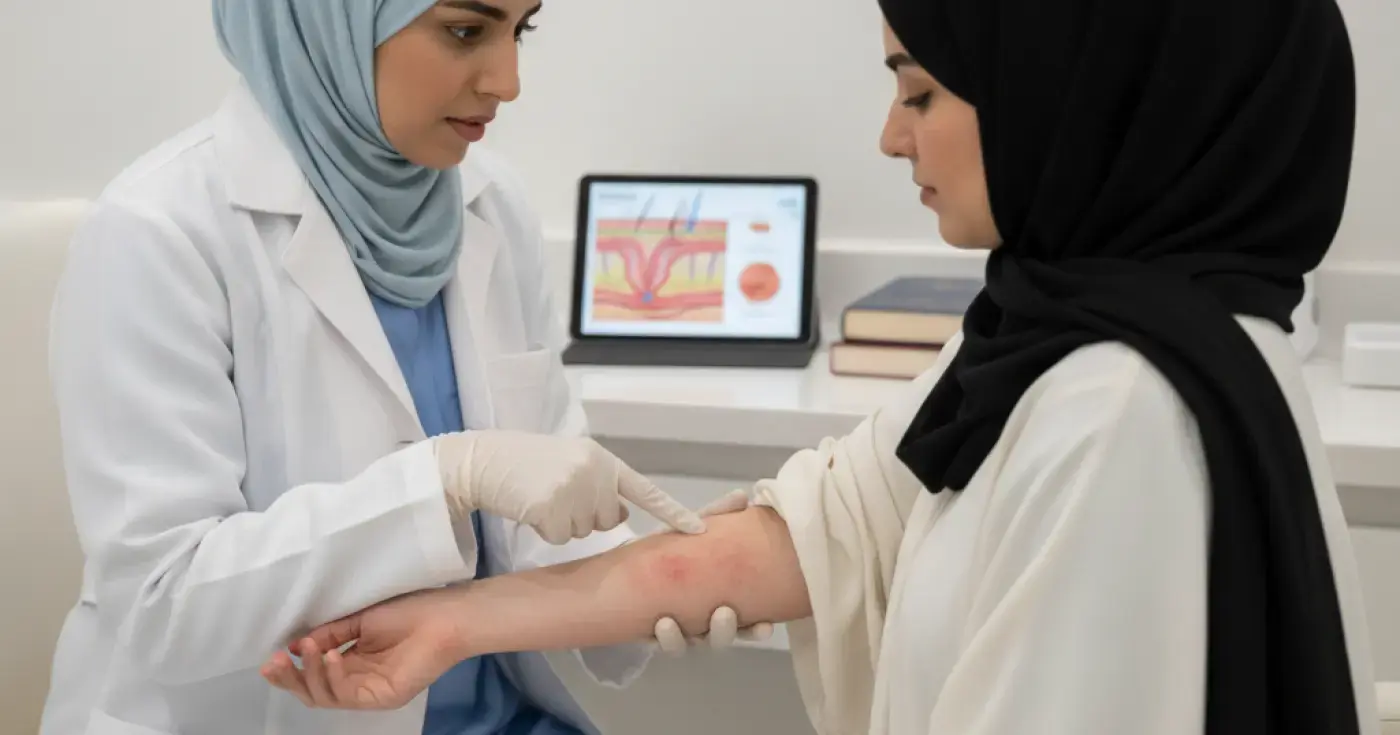
Learn the key differences between hives (urticaria) and general skin rashes, including symptoms, causes, treatments, and when to seek urgent medical care.
Read article
A comprehensive medical guide on urticaria (hives) and skin rashes, covering causes, symptoms, treatments, and when to see a doctor.
Read article
Find out when skin fungal infections require a dermatologist visit. Learn about symptoms, diagnostic tests, and the dangers of self-treatment.
Read article