
Lahalak Medical PlatformDifferentiate Care
Find out when skin fungal infections require a dermatologist visit. Learn about symptoms, diagnostic tests, and the dangers of self-treatment.

Advertisement
Skin fungal infections are common dermatological conditions that affect the skin, hair, and nails. These infections occur when microscopic fungi multiply on the outer keratinized layers of the skin. While many cases start as a mild, itchy rash, they can sometimes progress into complex medical issues that require specialized intervention at a dermatology clinic.
Fungi thrive in warm, humid environments. In regions with hot climates and high humidity, the prevalence of these infections increases significantly due to sweating and moisture retention. Although over-the-counter (OTC) topical treatments are widely available, self-diagnosis and inappropriate treatment can lead to worsening symptoms and delayed healing.
Symptoms vary depending on the type of fungus and the affected area, but most fungal infections share several clinical features:
While mild superficial infections might respond to basic care, certain warning signs indicate that you should schedule an appointment with a dermatologist to avoid complications:
If you have been using an over-the-counter antifungal cream for more than two weeks without any noticeable improvement, or if the rash continues to spread, professional medical evaluation is necessary. The infection might be resistant to the chosen treatment, or the initial diagnosis may be incorrect.
When fungal infections cover extensive areas of the body or affect sensitive regions such as the face, around the eyes, or the groin, self-treatment should be stopped immediately. These areas require specialized, gentle therapies to prevent severe irritation and scarring.
Intense scratching can break the skin barrier, allowing bacteria to enter and cause a secondary bacterial infection. Seek immediate medical attention if you notice:
Fungal infections of the scalp (tinea capitis) and nails (onychomycosis) cannot be effectively cured with topical creams alone. These conditions require oral antifungal medications prescribed by a doctor after performing diagnostic tests like a microscopic fungal exam to ensure complete eradication and protect hair follicles from permanent damage.
Certain individuals must never self-treat fungal infections and should consult a dermatologist at the first sign of symptoms:
The following table serves as a quick guide to help you decide whether to manage the condition at home temporarily or seek professional medical advice:
| Clinical Feature | Home Care (Temporary) | Dermatologist Consultation |
|---|---|---|
| Rash Area | Single, small patch in a non-sensitive area. | Widespread rash or affecting the face and groin. |
| Duration | Less than 2 weeks with gradual improvement. | More than 2 weeks with no improvement or worsening. |
| Associated Symptoms | Mild itching, slight scaling. | Severe pain, swelling, pus, fever, or deep cracking. |
| Overall Health Status | Healthy individual with no chronic illnesses. | Diabetic, immunocompromised, or elderly patients. |
| Infection Site | Superficial skin (arms, legs, trunk). | Scalp, beard area, or nails. |
A dermatologist will perform precise diagnostic steps to identify the exact fungal strain and prescribe targeted therapy. These steps include:
A common and dangerous mistake is applying over-the-counter steroid creams (like hydrocortisone) to an undiagnosed itchy rash. While steroids temporarily reduce itching and redness by suppressing local immunity, they actually allow the fungus to grow unchecked and penetrate deeper into the skin.
This condition, known as "Tinea Incognito," alters the typical appearance of the fungal rash, making clinical diagnosis difficult for the doctor and rendering the infection highly resistant to standard treatments. Avoid using steroid creams before obtaining a proper medical diagnosis.
Alongside medical treatment, proper self-care is essential to speed up recovery and prevent recurrence. Follow these infected skin care guidelines:
Skin fungal infections require proper clinical understanding. Knowing when to visit a dermatologist protects you from unwanted complications, ensuring you receive an accurate diagnosis and effective treatment from the start. Consulting a specialist is the most important step toward restoring your skin's health and integrity.
Clear, direct answers
Advertisement
Continue exploring

Learn the clinical reasons why skin fungal infections return after treatment, the role of immunity, and how to prevent recurrence effectively.
Read article
Learn how to differentiate between skin fungal infections, eczema, and allergies. Discover symptoms, causes, and safe medical treatments.
Read article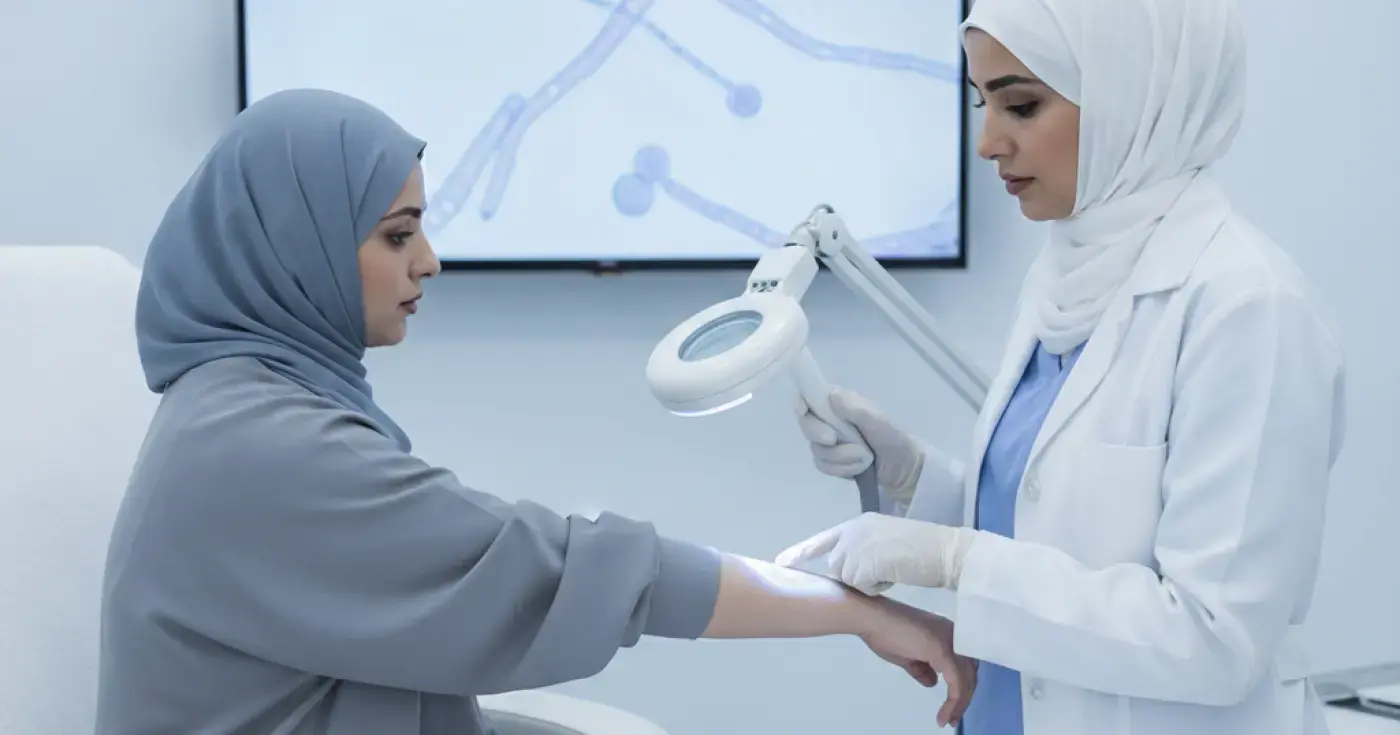
Discover if skin fungal infections are contagious, how they transmit between people, and effective medical treatments and prevention tips.
Read article