
Lahalak Medical PlatformDifferentiate Care
Learn the key differences between hives (urticaria) and general skin rashes, including symptoms, causes, treatments, and when to seek urgent medical care.
Advertisement
The skin is the body's largest organ and its primary barrier against environmental hazards. When the skin reacts to internal or external triggers, it expresses irritation through various clinical presentations. Two of the most common yet frequently confused skin conditions are hives (urticaria) and general skin rashes. While many people use these terms interchangeably, they represent distinct clinical entities with different causes, appearances, durations, and treatment pathways. This comprehensive guide aims to clarify these differences, helping you understand your symptoms and manage them safely.
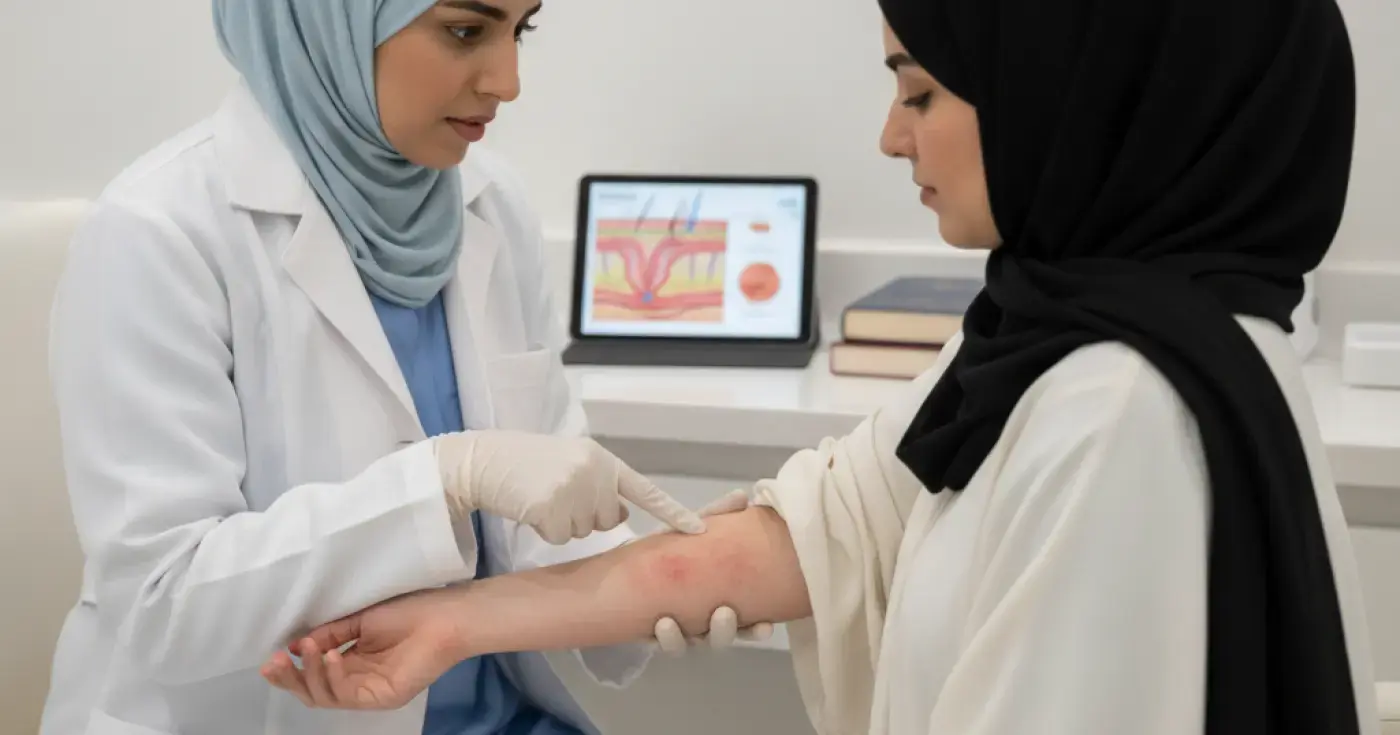
A skin rash is a broad, umbrella term used to describe any abnormal change in the skin's color, texture, or appearance. A rash is not a specific disease but rather a symptom of an underlying localized or systemic condition. It can present in numerous ways, including flat red patches, small raised bumps, dry scaly plaques, or fluid-filled blisters. Common dermatological conditions classified as rashes include eczema (atopic dermatitis), contact dermatitis (caused by exposure to irritants or allergens), psoriasis, and viral exanthems like measles or chickenpox. Determining the exact cause of a persistent rash typically requires a professional dermatology consultation to ensure targeted and effective treatment.
Hives, medically known as urticaria, are a highly specific type of skin reaction characterized by the sudden appearance of raised, intensely itchy welts or wheals. These welts can be red, pink, or skin-colored, and they characteristically blanch (turn white) when pressed. The defining clinical feature of hives is their transient and migratory nature; an individual welt typically appears, evolves, and completely resolves within 24 hours without leaving any permanent mark or scar, while new welts may emerge elsewhere. Hives occur when mast cells in the skin release histamine and other chemicals into the bloodstream, causing fluid to leak from local blood vessels. In some cases, hives are accompanied by deeper tissue swelling known as angioedema, which requires immediate medical attention if it affects the face, lips, or airway.
To accurately distinguish between hives and a general skin rash, clinicians evaluate several factors, including lesion morphology, duration of individual spots, severity of itching, and potential triggers. The following table outlines these essential clinical differences:
| Feature | Hives (Urticaria) | General Skin Rash |
|---|---|---|
| Appearance | Raised welts (wheals) with defined borders; blanch when pressed. | Highly variable; can be flat, scaly, dry, bumpy, or blistered. |
| Duration of Single Lesion | Transient; individual welts disappear within 24 hours. | Persistent; lesions remain in the same location for days or weeks. |
| Itching Severity | Almost always severe, intense, and worse during evening hours. | Variable; may range from mild itching to pain, burning, or stinging. |
| Deep Swelling | May be associated with deep tissue swelling (angioedema). | Rarely associated with acute angioedema unless secondary infection occurs. |
| Primary Causes | Histamine release triggered by allergies, medications, physical factors, or stress. | Infections (viral, bacterial, fungal), autoimmune diseases, or direct chemical irritation. |
The underlying mechanisms and triggers for hives and general rashes differ significantly. Acute hives are most commonly triggered by allergic reactions to specific foods (such as nuts, shellfish, or eggs), insect stings, or medications like antibiotics and nonsteroidal anti-inflammatory drugs (NSAIDs). Physical stimuli, such as extreme cold, heat, pressure on the skin, exercise, or severe emotional stress, can also induce hives. Conversely, general skin rashes are typically caused by ongoing localized or systemic processes. For instance, allergic contact dermatitis occurs after direct skin contact with allergens like nickel or fragrances, while chronic conditions like psoriasis stem from autoimmune dysfunction. These distinct etiologies require tailored therapeutic approaches rather than a one-size-fits-all solution.
While most instances of hives and rashes are self-limiting or easily managed, certain warning signs indicate a medical emergency. Seek urgent medical care immediately if your skin reaction is accompanied by difficulty breathing or swallowing, hoarseness, swelling of the face, lips, tongue, or throat, severe dizziness, or fainting. Additionally, a rapidly spreading rash accompanied by a high fever, blistering, or painful peeling of the skin and mucous membranes warrants immediate emergency evaluation. These symptoms may indicate anaphylaxis, a life-threatening systemic allergic reaction that requires prompt administration of epinephrine.
An accurate diagnosis begins with a thorough clinical examination and a detailed medical history to identify potential triggers and family history of atopy. For chronic hives or recurrent rashes, a dermatologist may recommend allergy testing or a skin biopsy to pinpoint the exact cause. Treatment for hives primarily focuses on oral antihistamines to block histamine release, relieve itching, and prevent new welts. For general rashes, treatment may include topical corticosteroid creams to reduce inflammation, medical-grade emollients to restore the skin barrier, or antimicrobial agents if an infection is present. Following a structured sensitive skin care routine and avoiding known triggers are essential steps to support skin healing and prevent future flare-ups.
Clear, direct answers
Advertisement
Continue exploring
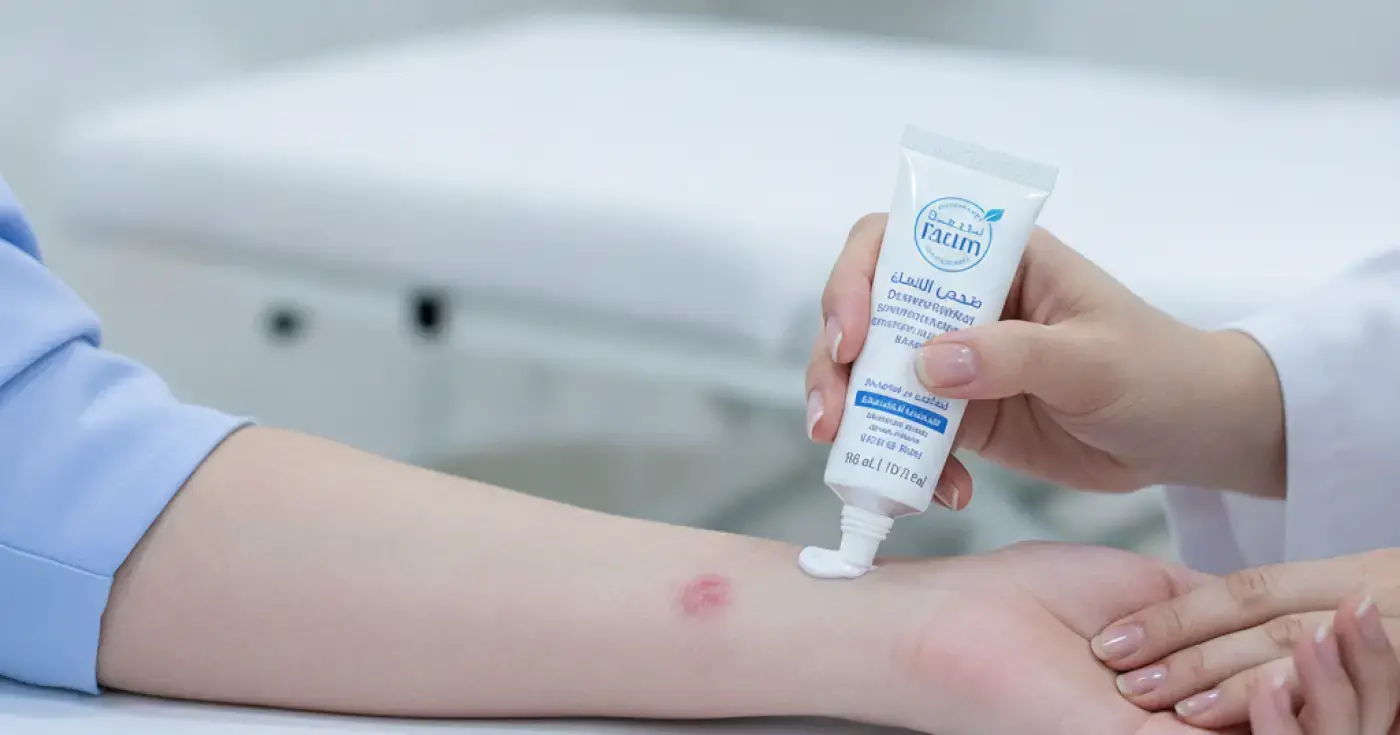
A comprehensive medical guide on urticaria (hives) and skin rashes, covering causes, symptoms, treatments, and when to see a doctor.
Read article
Find out when skin fungal infections require a dermatologist visit. Learn about symptoms, diagnostic tests, and the dangers of self-treatment.
Read article
Learn the clinical reasons why skin fungal infections return after treatment, the role of immunity, and how to prevent recurrence effectively.
Read article