
Lahalak Medical PlatformDifferentiate Care
Learn how to identify and manage hives (urticaria) caused by food or medications. Discover symptoms, triggers, and when to seek urgent medical care.

Advertisement
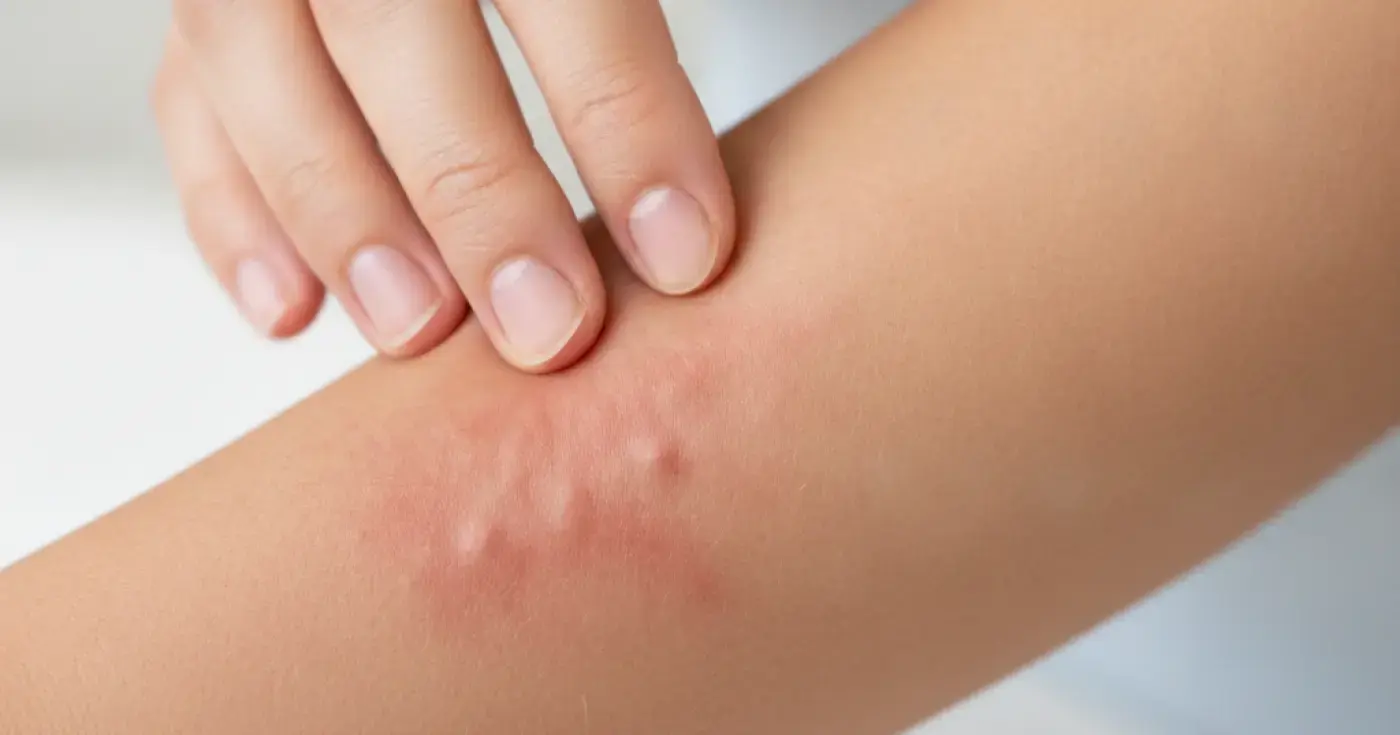
Hives, medically known as urticaria, are a common skin reaction characterized by red, pink, or skin-colored raised welts that cause intense itching. These welts can vary in size and shape, appearing anywhere on the body. Hives occur when the body releases histamine and other chemical compounds into the bloodstream, causing fluid to leak from small blood vessels and accumulate under the skin.
Urticaria is clinically classified into two main types: acute urticaria, which lasts less than six weeks and is often linked to identifiable triggers like foods or medications; and chronic urticaria, which persists for more than six weeks and has a more complex diagnostic path. This guide focuses on acute hives caused by foods and medications, helping you understand how to identify triggers under medical supervision.
Food-induced hives occur when the immune system mistakenly identifies a specific protein in food as a harmful invader, producing IgE antibodies against it. Upon subsequent exposure to the food, mast cells release histamine, leading to hives within minutes to a couple of hours.
Common food triggers include:
It is crucial to distinguish between a true food allergy and food intolerance. While food intolerance primarily affects the digestive system, a true food allergy involves an immune response that can be severe and life-threatening.
Medications can trigger hives through either an immunologic allergic pathway (requiring prior exposure to build antibodies) or a non-immunologic direct pathway (where the drug directly stimulates mast cells to release histamine). Drug-induced hives can appear immediately after the first dose or may be delayed by days or weeks.
Common drug classes associated with hives include:
The primary symptom of hives is the appearance of raised welts (wheals) characterized by:
In some cases, hives are accompanied by angioedema, which is swelling in the deeper layers of the skin, commonly affecting the face, lips, tongue, throat, or extremities. If swelling affects the throat or tongue, it can obstruct breathing, presenting a life-threatening medical emergency.
Identifying the exact cause of hives requires a systematic clinical approach, heavily relying on a detailed patient history. Your doctor will ask about recent food intake, new medications (including over-the-counter drugs and herbal supplements), and the timeline of your symptoms.
Diagnostic tools may include:
The following table outlines the key differences between hives triggered by food and those caused by medications:
| Feature | Food-Induced Hives | Drug-Induced Hives |
|---|---|---|
| Onset of Symptoms | Usually within minutes to 2 hours after ingestion. | Can be immediate or delayed by days or weeks after starting the drug. |
| Common Triggers | Seafood, nuts, eggs, milk, wheat, and soy. | Penicillin, NSAIDs, aspirin, and ACE inhibitors. |
| Primary Diagnostic Methods | Skin prick tests, specific IgE blood tests, and elimination diets. | Detailed medical history, drug cessation, and supervised challenges. |
| Prevention Strategy | Strict avoidance of trigger foods and reading food labels. | Avoiding the offending drug and informing all healthcare providers. |
The primary goal of treating hives is to alleviate symptoms and reduce itching while the trigger is cleared from the body. Treatment options include:
For home care and symptom relief, patients are advised to:
Rarely, hives can escalate into a severe, systemic allergic reaction called anaphylaxis, which is a life-threatening medical emergency. Seek immediate emergency medical care if hives are accompanied by any of the following symptoms:
For detailed guidance on managing such emergencies, refer to the Anaphylaxis Management Guide on our platform.
Prevention is the cornerstone of managing allergic hives. Follow these practical tips to stay safe:
Clear, direct answers
Advertisement
Continue exploring
Learn about the most common causes of itchy skin rashes, when to see a doctor, and evidence-based medical and home relief methods.
Read article
Learn the link between allergies and hives (urticaria). Discover common physical and dietary triggers, symptoms, medical treatments, and prevention tips.
Read article
A comprehensive medical guide on the causes of sudden skin rashes in children and adults, key symptoms, diagnosis, and when to seek urgent care.
Read article