
Lahalak Medical PlatformDifferentiate Care
Discover the timeline for PRP hair treatment results, how many sessions you need, and expert tips to maximize hair growth and density.
Advertisement
Platelet-Rich Plasma (PRP hair treatment) has emerged as one of the most popular non-surgical medical solutions for hair loss and thinning in Saudi Arabia. By utilizing the patient's own blood cells to rejuvenate the scalp, this autologous treatment offers a safe, natural, and highly effective option for both men and women seeking to restore hair density.
As interest in this procedure grows, the most common question dermatologists receive is: When do PRP hair results appear? In this comprehensive guide, we will break down the expected timeline, how the biological process works, and the key factors that influence your scalp's response to therapy.
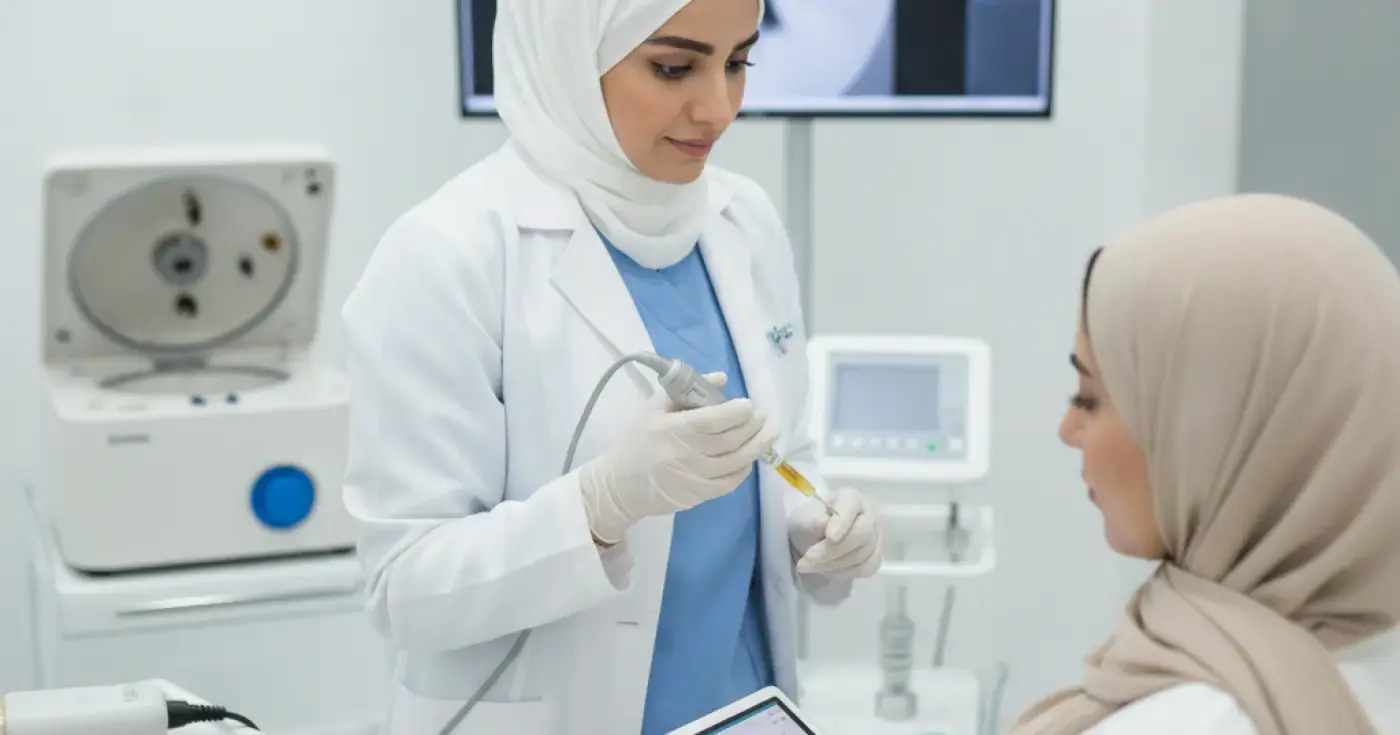
To understand the timeline of results, it is essential to understand how PRP works biologically. The procedure begins by drawing a small sample of the patient's blood, which is then placed in a centrifuge to separate the platelets from other blood components. This process yields a highly concentrated plasma rich in essential growth factors.
When injected into the scalp, these growth factors perform several vital functions:
PRP results are not instantaneous, as the body requires time to regenerate cells and rebuild follicular structures. The progress typically unfolds in gradual stages:
During this initial phase, patients should not expect to see new hair growth. Instead, the primary noticeable benefit is a significant reduction in daily hair shedding. The scalp environment begins to stabilize, and existing hair may feel slightly healthier.
This is when visible improvements typically begin. After completing the recommended initial series of 3 to 4 sessions (spaced monthly), patients often notice fine, new hairs (vellus hair) sprouting in previously thinning areas. Overall hair volume and density start to visibly improve.
The full benefits of hair loss treatment with PRP reach their peak during this window. The newly grown hair becomes thicker, stronger, and blends seamlessly with the surrounding hair. Scalp coverage is significantly enhanced, delivering the final, optimal outcome.
Individual responses to PRP therapy vary based on several clinical and lifestyle factors, including:
A single session is rarely sufficient for optimal outcomes. Dermatologists generally recommend a structured protocol:
To help you understand where PRP fits among available hair restoration options, consider the following comparison:
| Feature | PRP Therapy | Topical Treatments (e.g., Minoxidil) | Hair Transplant Surgery |
|---|---|---|---|
| Type of Procedure | Non-surgical, autologous | Daily topical application | Surgical follicle transfer |
| Result Timeline | Gradual (3 - 6 months) | Gradual (4 - 6 months) | Long-term (6 - 12 months) |
| Side Effects | Minimal (mild swelling/tenderness) | Scalp irritation, dryness | Surgical risks, recovery period |
| Longevity | Requires periodic maintenance | Reverses if product is stopped | Permanent for transplanted follicles |
To ensure high-quality plasma extraction, patients are advised to follow these guidelines 48 hours before their session:
Proper post-care helps maximize the absorption of growth factors and ensures a smooth recovery:
Because PRP is derived from your own blood, the risk of allergic reactions or rejection is virtually non-existent. However, minor, temporary side effects may occur, including:
PRP is generally contraindicated for individuals with severe platelet disorders, chronic liver disease, active scalp infections, or systemic blood disorders.
If you are experiencing persistent hair loss and want to determine if PRP is the right choice for you, a professional consultation is the essential first step. A qualified dermatologist can evaluate your scalp health, diagnose the underlying cause of hair loss, and design a personalized treatment plan tailored to your needs.
Clear, direct answers
Advertisement
Continue exploring
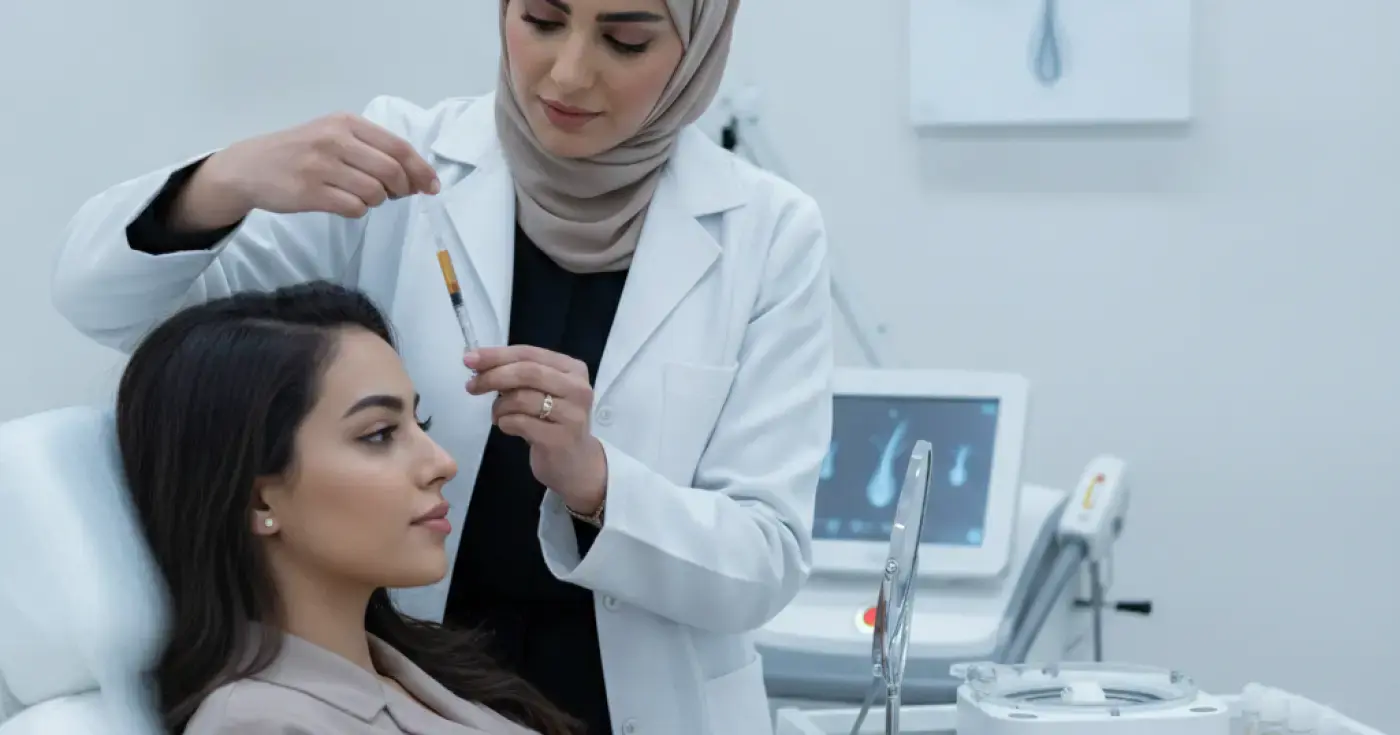
Learn about the standard number of PRP sessions required for hair restoration, the clinical timeline, and what to expect from the treatment.
Read article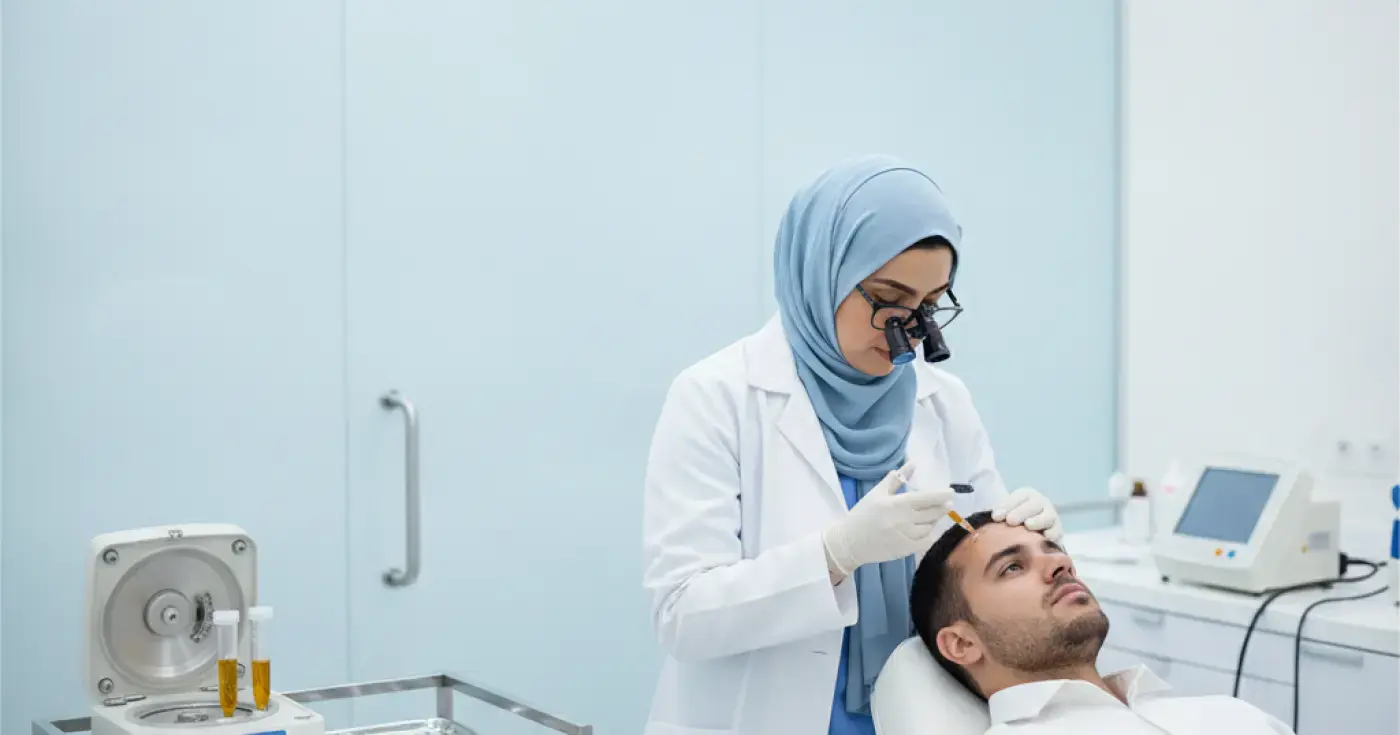
Discover how Platelet-Rich Plasma (PRP) therapy works for hair loss, its clinical benefits, procedure steps, and expected results.
Read article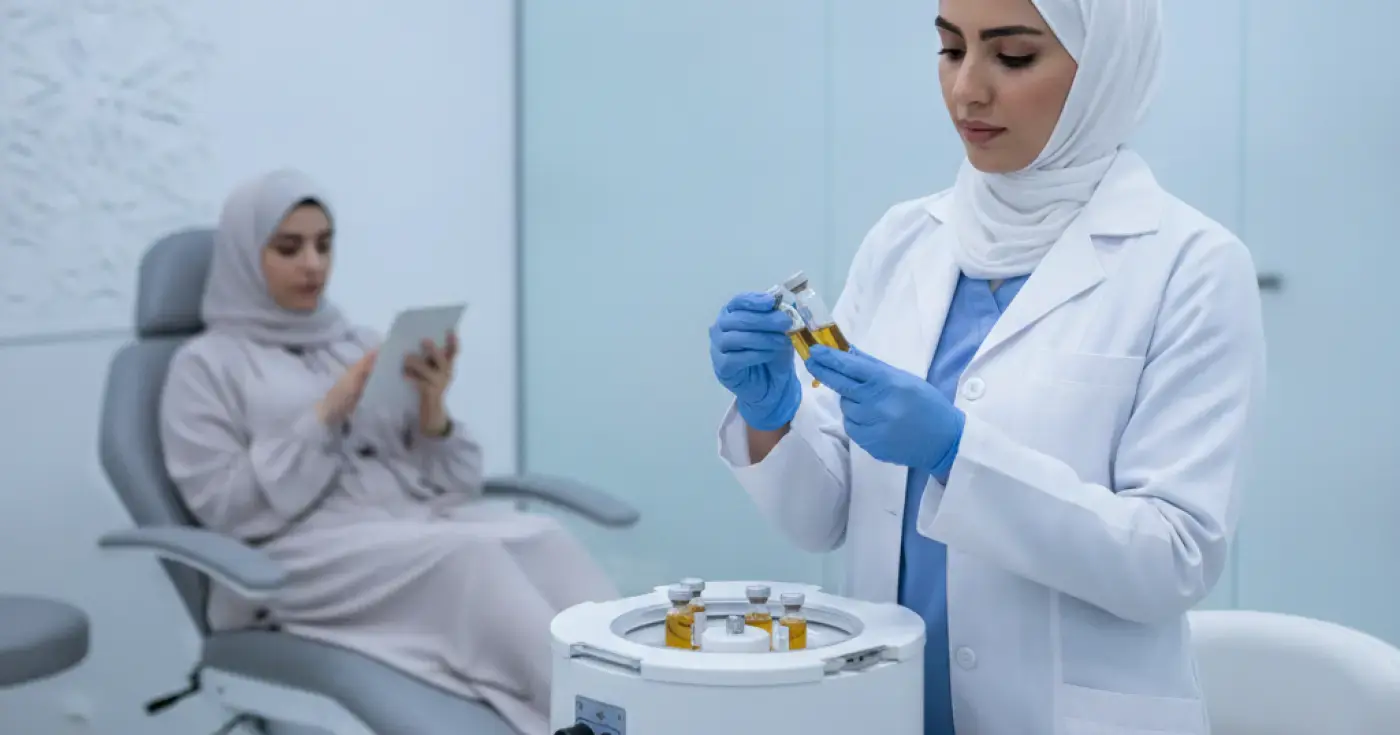
Discover the clinical benefits of Platelet-Rich Plasma (PRP) for skin freshness, collagen production, and scar treatment. Read our expert guide.
Read article