
Lahalak Medical PlatformDifferentiate Care
Learn about the standard number of PRP sessions required for hair restoration, the clinical timeline, and what to expect from the treatment.
Advertisement
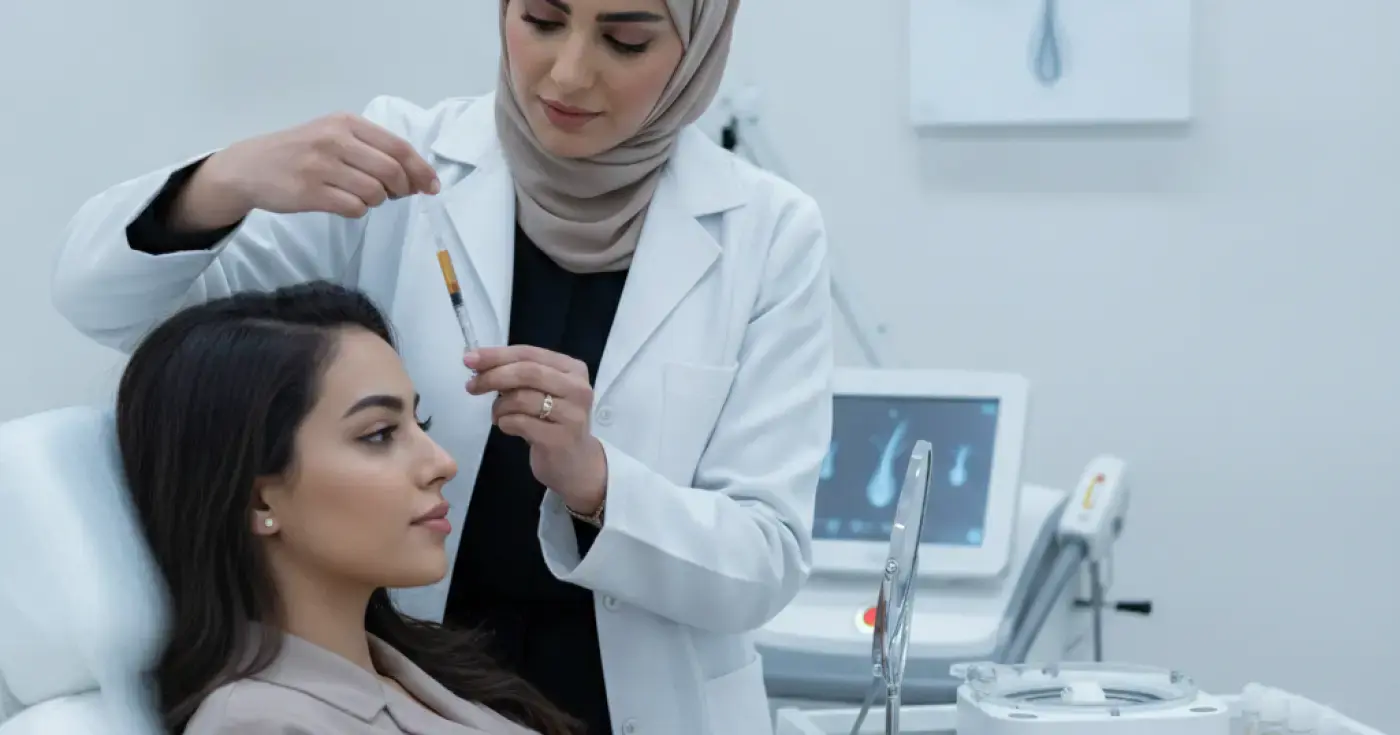
Platelet-Rich Plasma (PRP) therapy has emerged as one of the most popular non-surgical medical aesthetic solutions for treating hair thinning and promoting hair growth. This innovative procedure utilizes the natural healing properties of the patient's own blood. By drawing a small sample of blood, processing it to concentrate the platelets, and reinjecting it into the scalp, PRP hair therapy stimulates dormant hair follicles, enhances blood circulation, and promotes cellular regeneration to restore hair density.
The exact number of PRP sessions required varies from person to person based on a detailed clinical evaluation by a qualified dermatologist. However, the standard, globally accepted clinical protocol typically consists of two main phases:
A single protocol cannot be applied universally. Several clinical and individual factors determine how many sessions a patient will need for effective hair loss treatment:
The underlying cause of hair loss plays a decisive role. For instance, early-stage male or female pattern baldness (androgenetic alopecia) responds exceptionally well to the standard 3-4 session protocol. In contrast, advanced stages may require additional initial sessions. Temporary hair loss conditions, such as telogen effluvium caused by stress or nutritional deficiencies, may require fewer sessions once the primary trigger is addressed.
The quality of the extracted plasma and the concentration of platelets vary among individuals based on overall health, baseline platelet counts, and how actively the scalp's stem cells interact with the injected growth factors.
Following medical advice, avoiding smoking, maintaining a balanced diet, and using prescribed complementary therapies significantly accelerate the response rate and can optimize the total number of sessions required.
The following table provides a general clinical estimate of the recommended sessions and timelines based on different hair loss conditions:
| Hair Loss Condition | Recommended Initial Sessions | Interval Between Sessions | Maintenance Sessions |
|---|---|---|---|
| Mild to Moderate Androgenetic Alopecia | 3 - 4 sessions | 4 weeks | Every 6 to 12 months |
| Telogen Effluvium (Temporary Hair Loss) | 3 sessions | 4 - 6 weeks | Based on clinical evaluation after resolving the cause |
| Alopecia Areata (Combined with immunotherapy) | 4 - 6 sessions | 3 - 4 weeks | Every 3 to 6 months depending on disease activity |
| Post-Hair Transplant Support | 2 - 3 sessions | 4 weeks | Optional annual session to maintain graft vitality |
To help patients understand the clinical process, here is a detailed breakdown of what happens during a typical PRP session in the clinic:
The procedure begins with drawing a small amount of blood (approximately 10 to 20 ml) from the patient's arm, similar to a routine complete blood count test.
The blood tubes are placed in a specialized centrifuge machine. The machine spins the blood at high speeds for several minutes to separate its components into distinct layers: red blood cells, platelet-poor plasma, and platelet-rich plasma (PRP) which contains highly concentrated growth factors.
The physician thoroughly sanitizes the scalp. A topical anesthetic cream or cooling device may be applied to minimize discomfort. The extracted PRP is then precisely injected into the target areas of thinning or hair loss using ultra-fine needles.
Although PRP is highly safe because it uses autologous blood, it is not suitable for everyone. A thorough medical assessment is required to determine eligibility.
Patience is essential when undergoing PRP therapy, as hair growth is a gradual physiological process. Results typically unfold in the following sequence:
PRP is exceptionally safe because there is no risk of an allergic reaction to the injected substance. However, minor and temporary side effects may occur, including:
To prevent complications such as bacterial infections, always ensure that your PRP therapy is performed in a licensed medical clinic that adheres to strict sterilization protocols under the supervision of qualified medical professionals.
To get the most out of each PRP session, consider the following medical recommendations:
Determining exactly how many PRP sessions your hair needs requires a professional medical consultation to evaluate your specific condition and identify the root causes of your hair loss. Consistency, adherence to the initial protocol, and regular maintenance sessions are the ultimate keys to achieving healthy, dense, and strong hair over the long term.
Clear, direct answers
Advertisement
Continue exploring
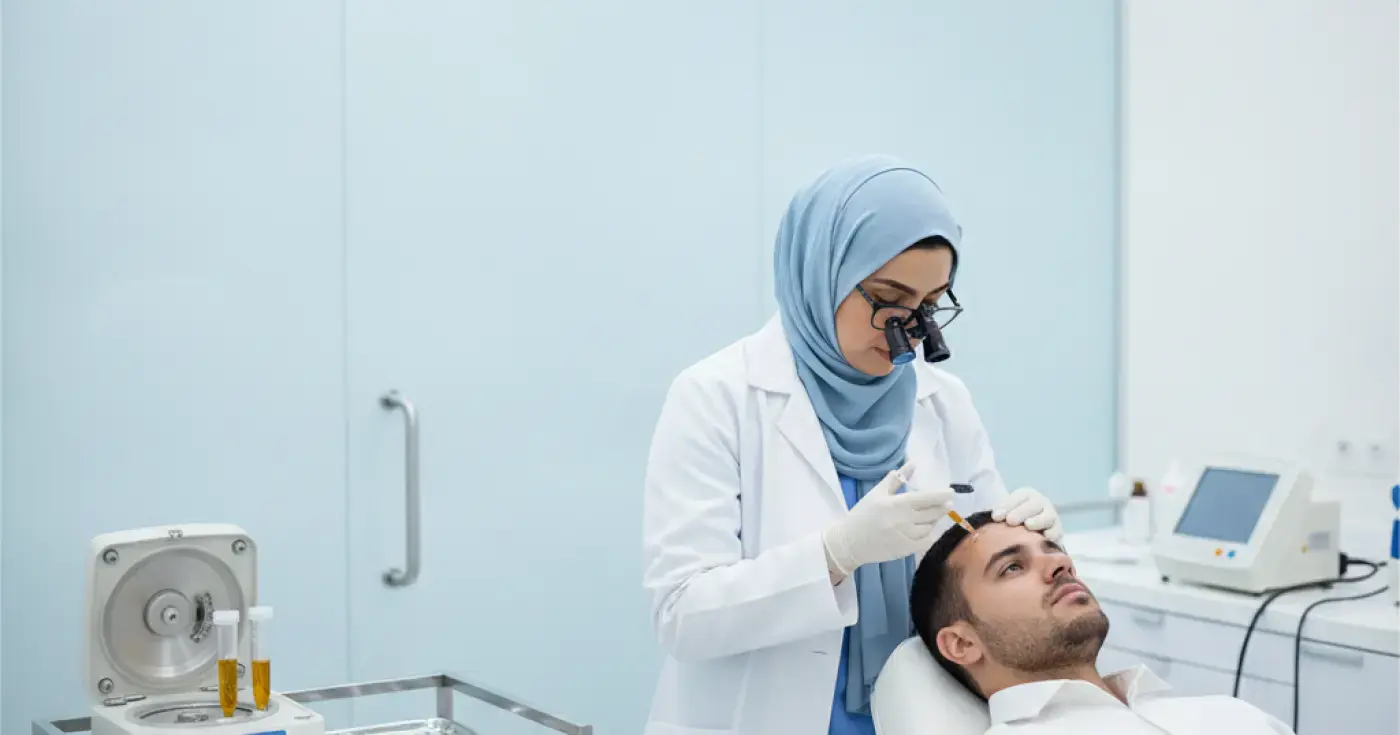
Discover how Platelet-Rich Plasma (PRP) therapy works for hair loss, its clinical benefits, procedure steps, and expected results.
Read article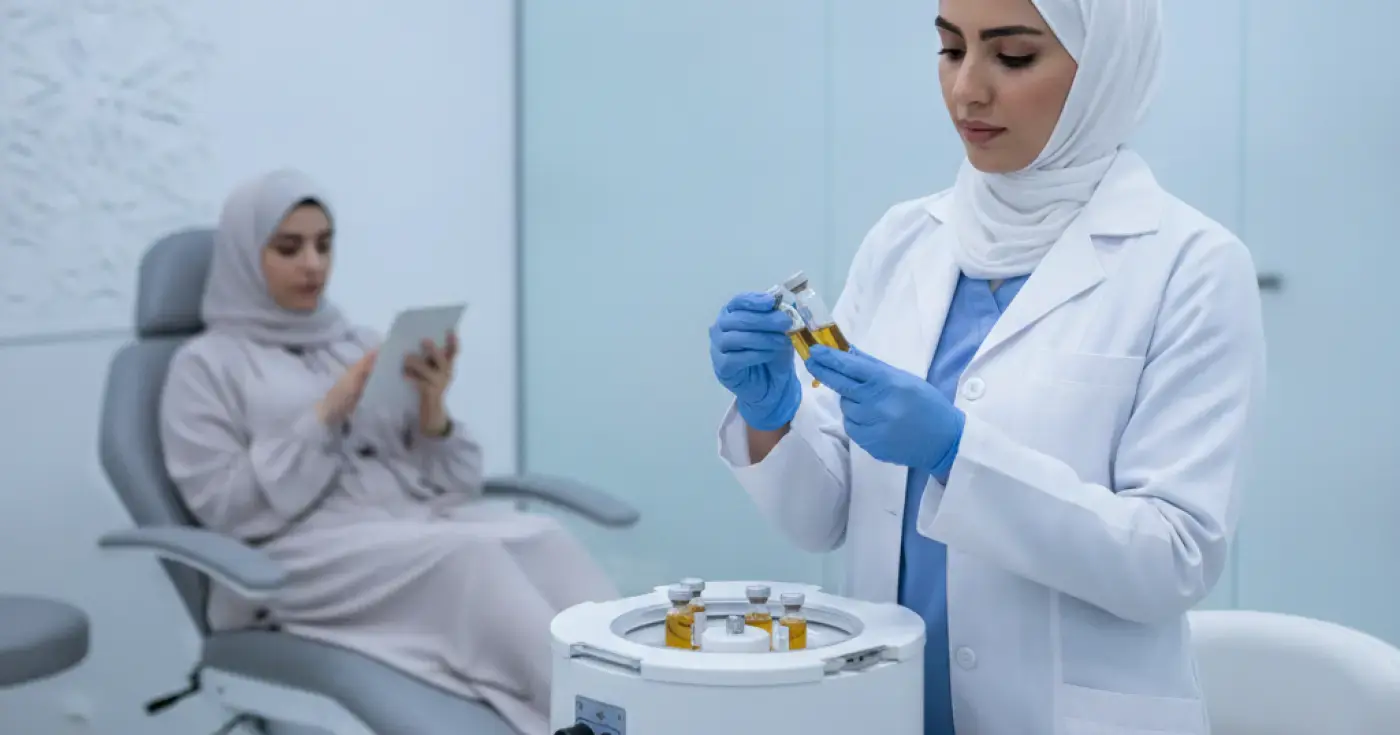
Discover the clinical benefits of Platelet-Rich Plasma (PRP) for skin freshness, collagen production, and scar treatment. Read our expert guide.
Read article
Learn how Facial Platelet-Rich Plasma (PRP) rejuvenates skin, stimulates collagen, and what to expect before and after your treatment.
Read articleExplore the topic