
Lahalak Medical PlatformDifferentiate Care
Learn how Facial Platelet-Rich Plasma (PRP) rejuvenates skin, stimulates collagen, and what to expect before and after your treatment.

Advertisement
In recent years, non-surgical cosmetic procedures that harness the body's natural healing and regenerative capabilities have seen a significant rise in popularity. Platelet-Rich Plasma (PRP) therapy, often referred to as the "vampire facial," stands at the forefront of these innovations. It offers an ideal solution for individuals seeking natural skin rejuvenation and a reduction in early signs of aging without undergoing complex surgical interventions. Because this technique utilizes the patient's own blood cells, the risk of allergic reactions or immune rejection is virtually non-existent.
Platelet-Rich Plasma is a concentrated source of autologous platelets suspended in a small volume of plasma. Naturally, blood consists of red blood cells, white blood cells, platelets, and liquid plasma. Platelets play a crucial role in blood clotting and tissue healing, thanks to their high concentration of specialized proteins known as growth factors.
To prepare PRP, a healthcare professional draws a small amount of blood from the patient (typically 10 to 20 milliliters). This sample is placed in a specialized tube and inserted into a centrifuge. The centrifuge spins the sample at high speeds to separate the blood components based on their density, resulting in three distinct layers:
The scientific mechanism of حقن البلازما للوجه relies on releasing massive amounts of growth factors and biologically active proteins directly into the targeted skin tissue. Once injected, these factors stimulate fibroblasts—the cells responsible for producing collagen and elastin, which give the skin its elasticity and structural support.
Key growth factors present in PRP include:
PRP therapy offers multiple benefits for the skin, making it a preferred option in dermatology clinics:
A PRP session is a simple, quick outpatient procedure that typically takes 45 to 60 minutes. The process involves the following steps:
The clinical team thoroughly cleanses and disinfects the face. A topical numbing cream is then applied to minimize any discomfort during the injections, left on for 20 to 30 minutes to ensure maximum efficacy.
Meanwhile, a nurse draws a small blood sample from the patient's arm under sterile conditions. The sample is placed in the centrifuge to separate the Platelet-Rich Plasma from other blood components.
After removing the numbing cream and re-disinfecting the face, the physician injects the extracted PRP into the targeted areas using ultra-fine needles (mesotherapy technique) or applies it in conjunction with a microneedling device to distribute it evenly through micro-channels in the skin.
To clarify the differences between popular skin rejuvenation techniques, the following table provides a simplified comparison between PRP and Mesotherapy:
| Feature | Platelet-Rich Plasma (PRP) | Mesotherapy |
|---|---|---|
| Source of Injected Material | Autologous (from the patient's own blood) | External (vitamins, amino acids, hyaluronic acid) |
| Primary Goal | Collagen stimulation, deep cell regeneration, and tissue repair | Superficial skin hydration, instant nourishment, and temporary glow |
| Allergic Reaction Risk | Virtually zero (since it is a natural bodily product) | Minimal but possible due to synthetic ingredients or vitamins |
| Recommended Sessions | 3 to 4 sessions, spaced 4 weeks apart | 4 to 6 sessions, spaced 2 to 3 weeks apart |
| Expected Results | Appear gradually and last long-term (up to a year or more) | Appear quickly but require continuous maintenance |
Although PRP is highly safe and natural, it is not suitable for everyone. A thorough medical evaluation is required before starting the treatment to ensure patient safety.
PRP injections are contraindicated in the following cases:
PRP is exceptionally safe because it uses the patient's own blood, eliminating the risk of disease transmission or allergic reactions to the injected substance. However, mild, temporary side effects related to the injection process may occur, including:
To avoid complications such as bacterial infections, ensure the procedure is performed in a licensed medical clinic that adheres to the highest standards of sterilization and infection control, and avoid touching your face with unwashed hands post-treatment.
To achieve the best results and minimize bruising, patients are advised to follow these guidelines:
It is important to understand that PRP results are not immediate like dermal fillers or Botox; rather, it is a gradual process that relies on the body's natural collagen production. Initial improvements in skin radiance and brightness can be observed within 2 to 3 weeks after the first session.
More profound and sustainable results, such as improved skin elasticity, reduced fine lines, and minimized acne scars, become clearly visible after completing the recommended treatment course (typically 3 sessions spaced 4 weeks apart). The results of PRP therapy generally last between 12 to 18 months. Doctors recommend a maintenance session every 6 to 12 months to sustain the skin's vitality and keep collagen production active.
Facial PRP therapy is a safe, effective, and natural option for skin rejuvenation, utilizing the body's own regenerative powers. To achieve optimal results and avoid any complications, LahaLak medical platform emphasizes the importance of choosing a qualified, licensed dermatologist, discussing your medical history thoroughly before starting, and strictly adhering to pre- and post-treatment care guidelines to ensure a healthy, glowing complexion safely.
Clear, direct answers
Advertisement
Continue exploring
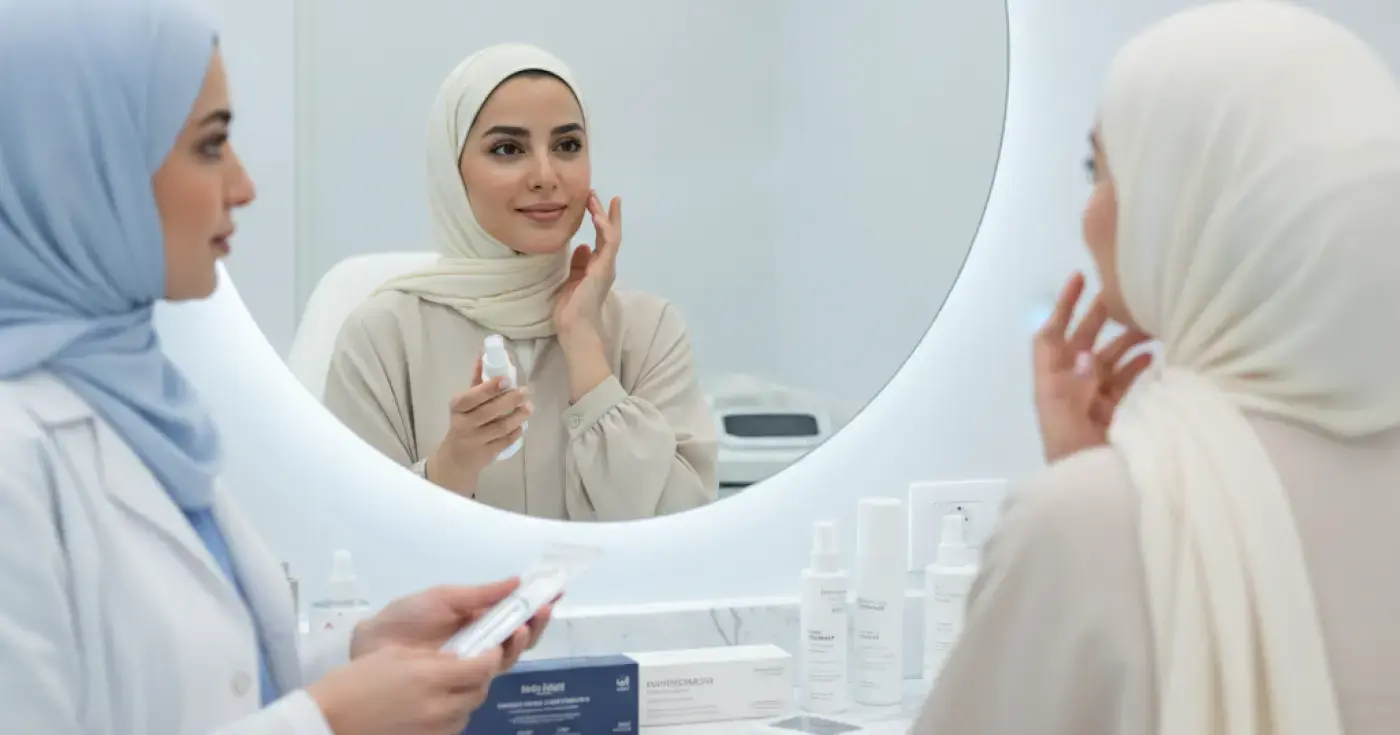
Discover the correct medical skincare routine after skin booster sessions. Learn how to manage side effects and maintain your glowing skin safely.
Read article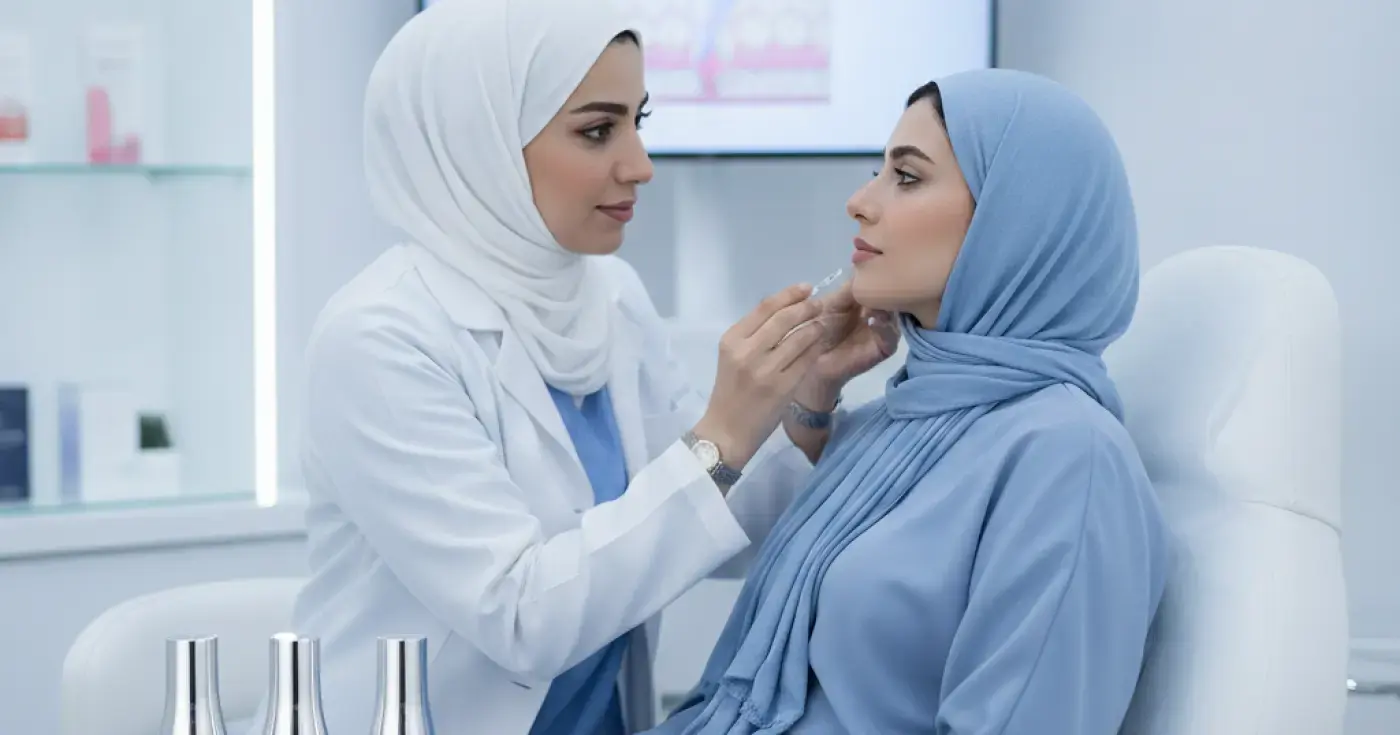
Learn when to expect results from Skin Boosters, Exosomes, and Salmon DNA injections. Discover timelines, benefits, and expert pre/post-care tips.
Read article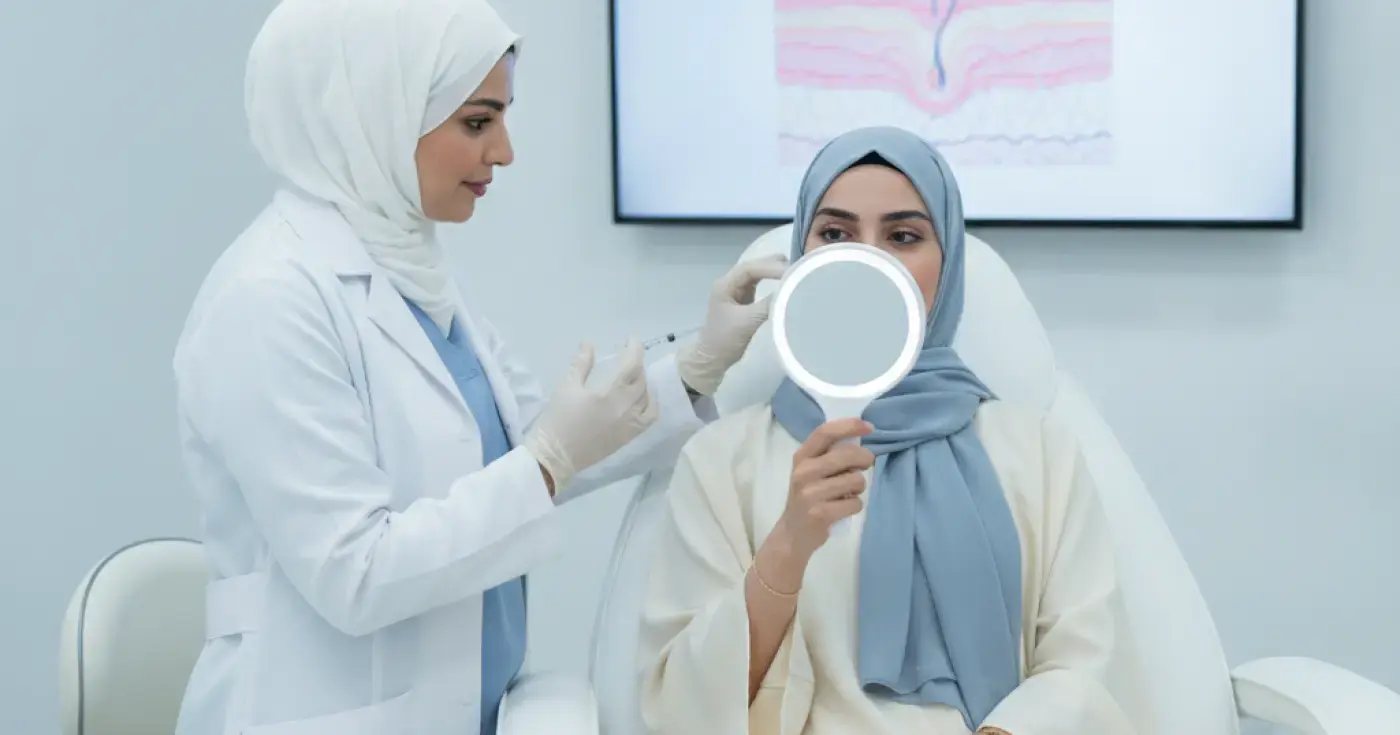
Learn how skin boosters and radiance treatments deeply hydrate the skin, stimulate collagen, and improve overall skin texture and elasticity.
Read article