
Lahalak Medical PlatformDifferentiate Care
Learn how skin boosters and radiance treatments deeply hydrate the skin, stimulate collagen, and improve overall skin texture and elasticity.
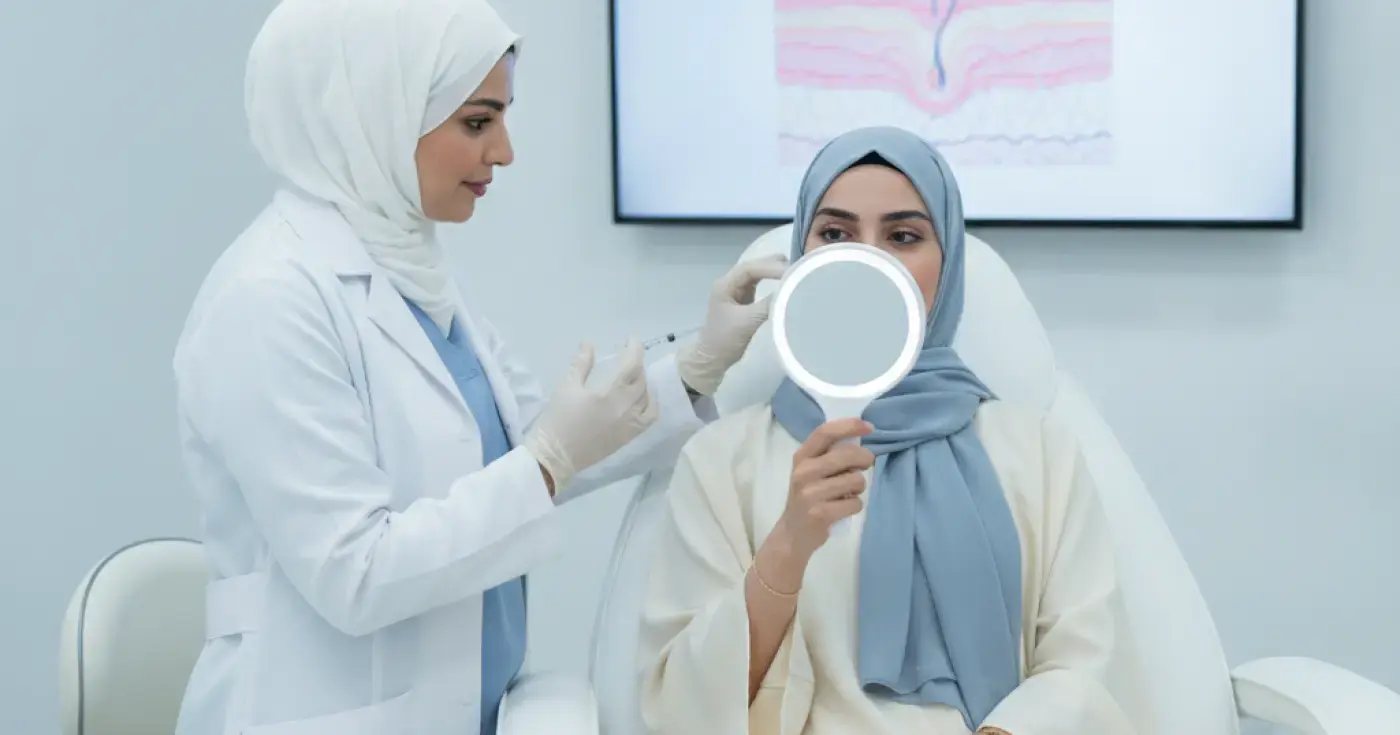
Advertisement
In the realm of non-surgical aesthetic dermatology, skin boosters have emerged as a revolutionary advancement. Unlike topical skincare products that only hydrate the outermost layer of the skin, these treatments revitalize and nourish the skin from the inside out. This technique aims to deliver deep, long-lasting hydration, resulting in a naturally radiant and healthy complexion.
In Saudi Arabia, where hot and dry weather conditions can severely deplete skin moisture, skin boosters have gained immense popularity. This comprehensive guide explores the scientific mechanisms, active ingredients, benefits, and expected outcomes of these radiance treatments.
Skin boosters are micro-injections of hydrating and nourishing substances delivered into the superficial to mid-dermis layers of the skin. The primary active ingredient in most skin boosters is non-cross-linked or minimally cross-linked hyaluronic acid (HA)—a naturally occurring substance in the skin capable of holding up to 1,000 times its weight in water.
When precisely injected and evenly distributed across the face, neck, or hands, HA acts as an internal moisture reservoir. This intense hydration not only plumps the skin to smooth out fine lines but also stimulates fibroblasts, the cells responsible for producing collagen and elastin, which are essential for maintaining skin elasticity and youthfulness.
While formulations vary by manufacturer and clinical goals, most skin boosters contain a blend of essential nutrients designed to optimize skin health:
Skin boosters offer comprehensive benefits that go far beyond superficial hydration, including:
It is common to confuse skin boosters with other popular aesthetic treatments like dermal fillers and Botox. The following table highlights the key differences between these procedures:
| Feature | Skin Boosters | Dermal Fillers | Botox |
|---|---|---|---|
| Primary Ingredient | Non-cross-linked HA + vitamins/nutrients | Cross-linked, cohesive Hyaluronic Acid | Botulinum Toxin Type A |
| Main Objective | Deep hydration, improved skin quality and glow | Restoring lost volume, contouring, and filling deep folds | Relaxing dynamic muscles to smooth expression lines |
| Injection Technique | Micro-droplets distributed evenly across the skin | Targeted injections into specific areas (e.g., lips, cheeks) | Precise intramuscular injections (e.g., forehead, crow's feet) |
| Longevity | Approximately 3 to 6 months | 6 to 18 months depending on the product | 3 to 6 months |
Skin boosters are highly versatile and suitable for a wide range of individuals, particularly:
A typical skin booster session is quick, straightforward, and minimally invasive, involving the following steps:
The dermatologist evaluates the patient's skin type and selects the most appropriate booster formulation. The treatment area is then thoroughly cleansed and sanitized.
A medical-grade numbing cream is applied to the target areas for 20 to 30 minutes to ensure patient comfort and minimize any sensation of pinching during the injections.
Using an ultra-fine needle or a specialized multi-needle injector gun, the practitioner delivers precise micro-droplets of the product into the superficial layers of the skin at regular intervals.
To maximize results and minimize potential side effects, proper post-treatment skin care is essential:
Skin boosters are exceptionally safe when performed by a qualified professional. However, minor and temporary side effects may occur, including:
Contraindications for skin booster treatments include:
The results of skin boosters appear gradually. Patients often notice an initial improvement in skin softness and hydration within the first few days as minor swelling subsides. The full radiant effect and improved elasticity become highly visible around 2 to 3 weeks post-treatment, once collagen stimulation is underway.
Results typically last between 3 to 6 months, depending on the specific product used, individual lifestyle factors, and skincare maintenance. For optimal, long-term outcomes, dermatologists generally recommend an initial course of 2 to 3 sessions spaced 4 weeks apart, followed by maintenance treatments every 6 months.
To ensure safety and achieve the best aesthetic outcomes, it is crucial to select a dermatology clinic licensed by the Saudi Ministry of Health (MOH). Ensure your treating physician is certified and registered with the Saudi Commission for Health Specialties (SCFHS), and verify that the products used are original and approved by the Saudi Food and Drug Authority (SFDA).
Clear, direct answers
Advertisement
Continue exploring
Learn the clinical benefits of combining skin boosters, lasers, and peels in a facial glow package, including safety tips and recovery guidelines.
Read article
Learn about the clinical benefits of combining Dermapen microneedling with Skin Boosters, procedure steps, side effects, and post-care tips.
Read article
Discover the benefits of hyaluronic acid for facial skin. Learn about topical serums, injectable skin boosters, and clinical safety tips.
Read article