
Lahalak Medical PlatformDifferentiate Care
Learn about the clinical benefits of combining Dermapen microneedling with Skin Boosters, procedure steps, side effects, and post-care tips.
Advertisement
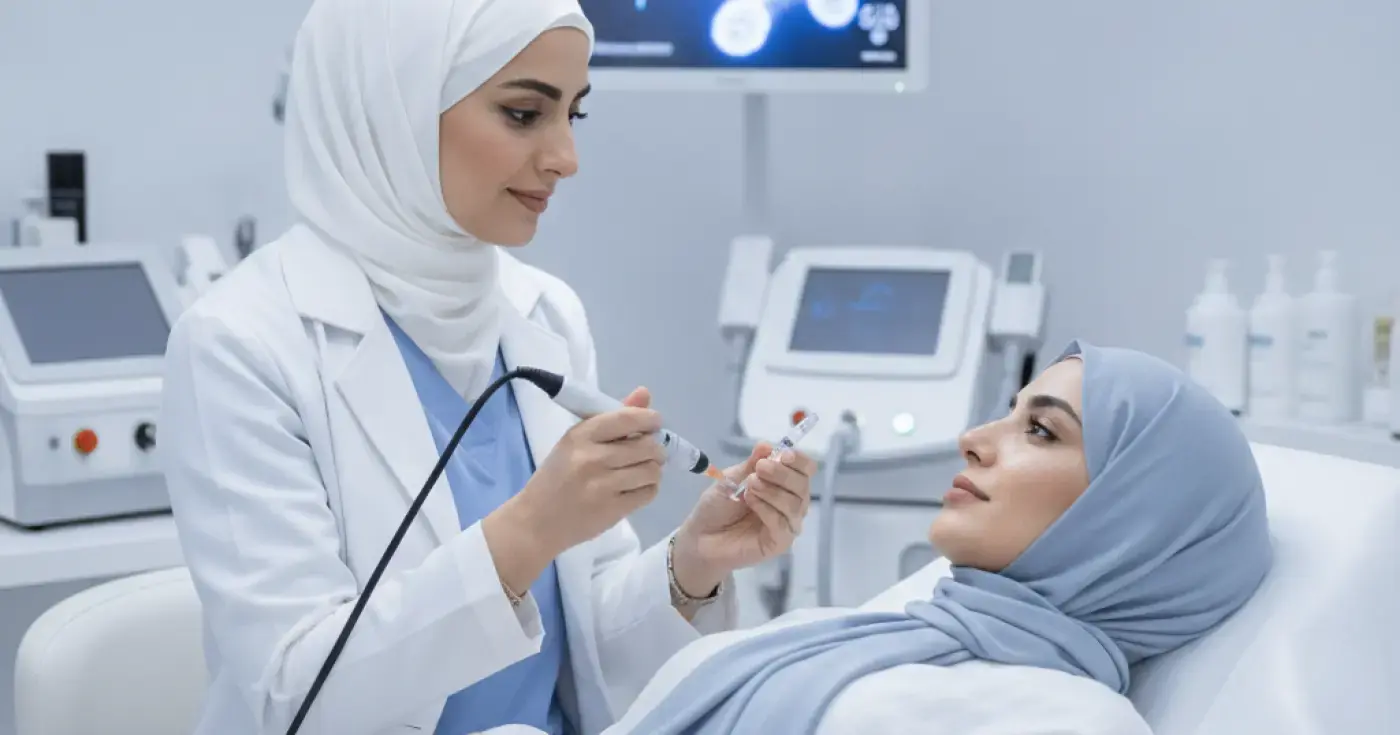
Achieving radiant, healthy, and youthful skin is a common goal for many individuals. With advancements in cosmetic dermatology, non-surgical procedures have become highly effective. Among the most popular treatments are Dermapen (microneedling) and Skin Boosters. Many patients wonder if combining these two treatments in a single session or as part of a structured treatment plan is beneficial. From a clinical perspective, this combination offers highly synergistic results.
The Dermapen is an advanced medical device that utilizes micro-needling technology. Its head contains sterile, ultra-fine needles that glide over the skin, creating controlled micro-injuries in the epidermis and dermis. This process triggers the body's natural healing cascade, stimulating fibroblasts to produce new collagen and elastin, which improves skin texture, elasticity, and reduces the appearance of scars and fine lines.
Skin boosters are injectable treatments primarily composed of non-crosslinked hyaluronic acid, enriched with essential vitamins, amino acids, minerals, and antioxidants. Unlike traditional dermal fillers that add volume or contour the face, skin boosters are designed to hydrate the skin deeply from within, restoring natural radiance, elasticity, and smoothness to dry or dull skin.
Dermatologists often recommend combining Dermapen sessions with skin boosters to achieve enhanced and faster results. The scientific rationale lies in the micro-channels created by the Dermapen. These microscopic pathways act as direct delivery channels, allowing the active ingredients of the skin boosters (such as hyaluronic acid and vitamins) to penetrate deep into the dermis. This increases absorption by up to 80% compared to simple topical application.
This dual action combines mechanical collagen stimulation with deep cellular hydration, resulting in firmer, deeply hydrated, and glowing skin.
The following table outlines the key differences between each individual treatment and the combined approach:
| Feature | Dermapen Alone | Skin Boosters Alone | Combined Therapy |
|---|---|---|---|
| Primary Mechanism | Mechanical microneedling to stimulate collagen. | Superficial micro-injections of hyaluronic acid. | Micro-channeling combined with deep nutrient delivery. |
| Hydration Level | Moderate (depends on natural healing). | Very High (deep hydration). | Maximum hydration and deep nourishment. |
| Scar & Wrinkle Improvement | Excellent for mild-to-moderate scars and lines. | Limited (focuses on radiance and glow). | Comprehensive for scars, lines, and dehydration. |
| Recovery Time | 2 - 3 days (mild redness and peeling). | 1 - 2 days (minor injection marks or bruising). | 2 - 4 days (temporary redness and mild dryness). |
This combined procedure must be performed in a specialized medical clinic by a licensed dermatologist to ensure safety and sterility. The typical steps include:
While the combined treatment is highly safe, patients may experience temporary side effects that typically resolve within a few days. These include mild erythema (redness) resembling a mild sunburn, slight swelling, transient dryness, and micro-peeling.
Contraindications for this procedure include:
Adhering to proper post-treatment care is essential for optimal results. Dermatologists recommend the following guidelines for post-procedure skin care:
Clear, direct answers
Advertisement
Continue exploring

Discover the benefits of hyaluronic acid for facial skin. Learn about topical serums, injectable skin boosters, and clinical safety tips.
Read article
Discover the benefits of Salmon DNA (PDRN) skin boosters. Learn how it regenerates skin, treats acne scars, and reduces wrinkles safely.
Read article
Discover the differences between skin boosters and laser treatments. Learn how they work, their benefits, and which is best for your skin type.
Read articleExplore the topic