
Lahalak Medical PlatformDifferentiate Care
Discover the differences between skin boosters and laser treatments. Learn how they work, their benefits, and which is best for your skin type.
Advertisement
In the field of aesthetic dermatology, non-surgical skin rejuvenation treatments have gained immense popularity. Among the most prominent modern techniques are skin boosters for the face and advanced laser skin treatments. This comprehensive medical article explores how skin boosters work and details the fundamental differences between them and laser therapies to help you make an informed decision in consultation with your dermatologist.
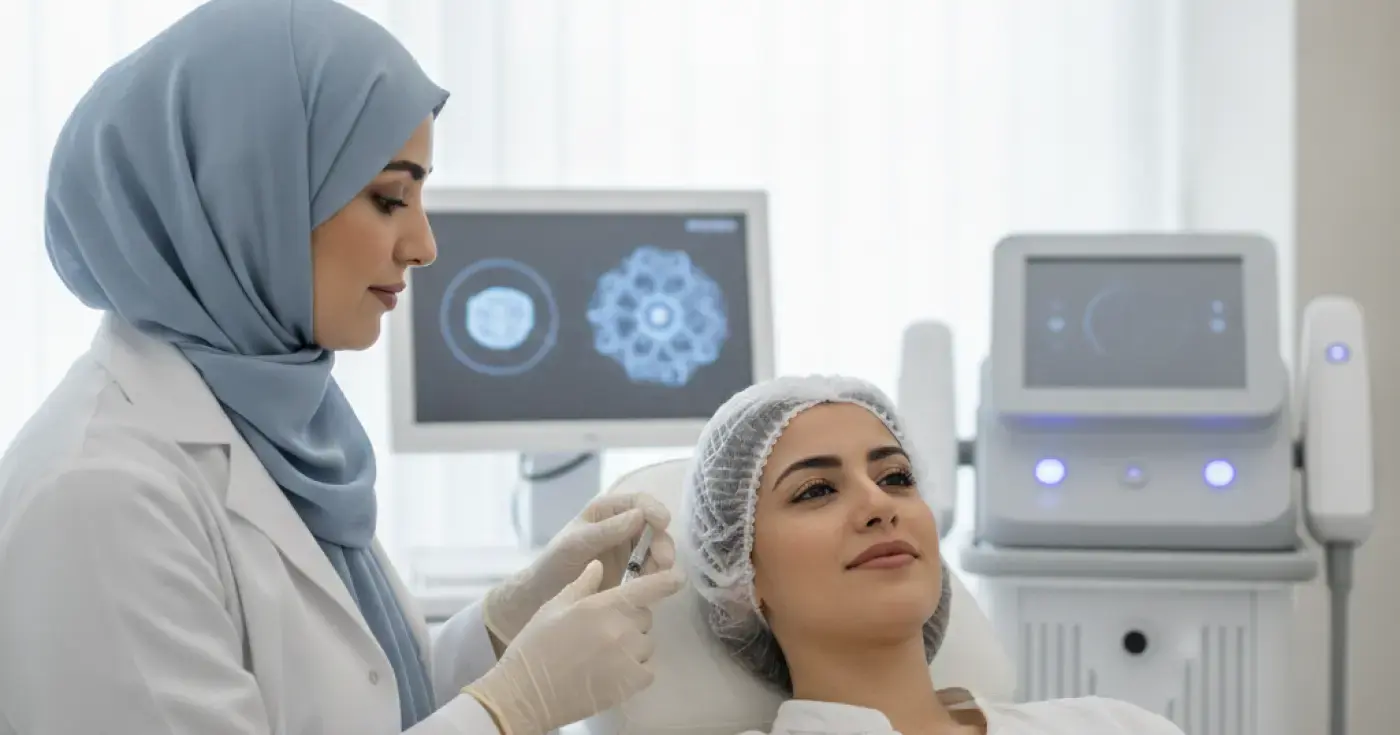
Skin boosters are micro-injections of non-crosslinked or minimally crosslinked hyaluronic acid (HA) delivered into the superficial to mid-dermis. Unlike traditional dermal fillers designed to restore volume or sculpt facial features, skin boosters focus on improving overall skin quality, texture, and hydration from within.
Hyaluronic acid acts as a natural sponge, attracting and retaining water molecules within the skin cells. When injected, it triggers several vital biological processes:
Facial laser treatments utilize concentrated beams of light at specific wavelengths to target different layers of the skin. This technology creates controlled thermal micro-injuries to stimulate the body's natural healing processes and cellular turnover.
The mechanism varies depending on the type of laser used (ablative vs. non-ablative, fractional CO2, etc.):
The following table summarizes the key differences between these two popular treatments:
| Feature | Skin Boosters | Laser Treatment |
|---|---|---|
| Nature of Procedure | Micro-injections of hydrating hyaluronic acid. | Application of light and thermal energy. |
| Primary Goal | Deep hydration, radiance, and elasticity. | Resurfacing, treating scars, pigmentation, and deep wrinkles. |
| Mechanism | Chemical & physical (water retention & fibroblast stimulation). | Thermal (controlled cellular damage and regeneration). |
| Downtime | Minimal (a few hours to 2 days). | 3 to 7 days (depending on laser intensity). |
| Results Timeline | Gradual and rapid (visible within 1-2 weeks). | Gradual (takes several weeks for collagen synthesis). |
| Common Side Effects | Mild redness, temporary swelling, minor bruising. | Redness, peeling, temporary sun sensitivity, risk of PIH. |
During a professional skin type assessment, dermatologists emphasize that the choice depends on the specific skin concern:
If your skin is severely dehydrated, dull, or tired due to environmental factors, skin boosters are the ideal choice as they replenish lost moisture. However, if your concerns involve acne scars, deep pigmentation, melasma, or age-related wrinkles, laser therapy is more effective at restructuring the skin surface.
Skin boosters require virtually no downtime, allowing you to return to daily activities immediately. Conversely, laser treatments (especially fractional lasers) require strict adherence to post-laser skin care, including avoiding direct sun exposure and using soothing, restorative creams to prevent hyperpigmentation.
Yes, combining both treatments is highly effective and frequently recommended by dermatologists. While lasers resurface the skin and address pigmentation, skin boosters deeply hydrate and accelerate the healing process post-laser due to the regenerative properties of hyaluronic acid.
However, these treatments must be spaced appropriately (usually 2 to 4 weeks apart) to allow the skin to fully recover and prevent over-stressing the tissues.
Avoid using strong active ingredients (like retinol or glycolic acid) for 3 to 5 days prior to either treatment. Inform your doctor of any medications you are taking, especially blood thinners, to minimize bruising risks for skin boosters.
A topical numbing cream is applied for 30 to 45 minutes to ensure comfort. For skin boosters, the product is injected using very fine needles or an injector gun. For lasers, the device handpiece is passed over the skin, accompanied by a cooling system to minimize heat sensation.
Post-treatment care involves gentle hydration and broad-spectrum sunscreen. After skin boosters, avoid strenuous exercise and saunas for 24 hours. After lasers, do not pick at any peeling skin; let it shed naturally to protect the new skin underneath.
Both procedures are highly safe when performed by qualified professionals, but some temporary side effects may occur:
Always choose a licensed clinic and a certified dermatologist to ensure the use of SFDA-approved products and safe laser settings tailored specifically for your skin type, particularly for Middle Eastern skin which requires precise laser calibration to avoid hyperpigmentation.
Clear, direct answers
Advertisement
Continue exploring
Discover how exosome therapy rejuvenates the skin, boosts collagen, treats acne scars, and compares to PRP. Learn about results and safety.
Read article
Discover the Skin Radiance Package, its key treatments like skin boosters and HydraFacial, expected benefits, and essential post-care medical advice.
Read article
Is facial mesotherapy suitable for all skin types? Learn about the benefits, side effects, and compatibility in this expert medical guide.
Read articleExplore the topic