
Lahalak Medical PlatformDifferentiate Care
Discover how Platelet-Rich Plasma (PRP) therapy works for hair loss, its clinical benefits, procedure steps, and expected results.
Advertisement
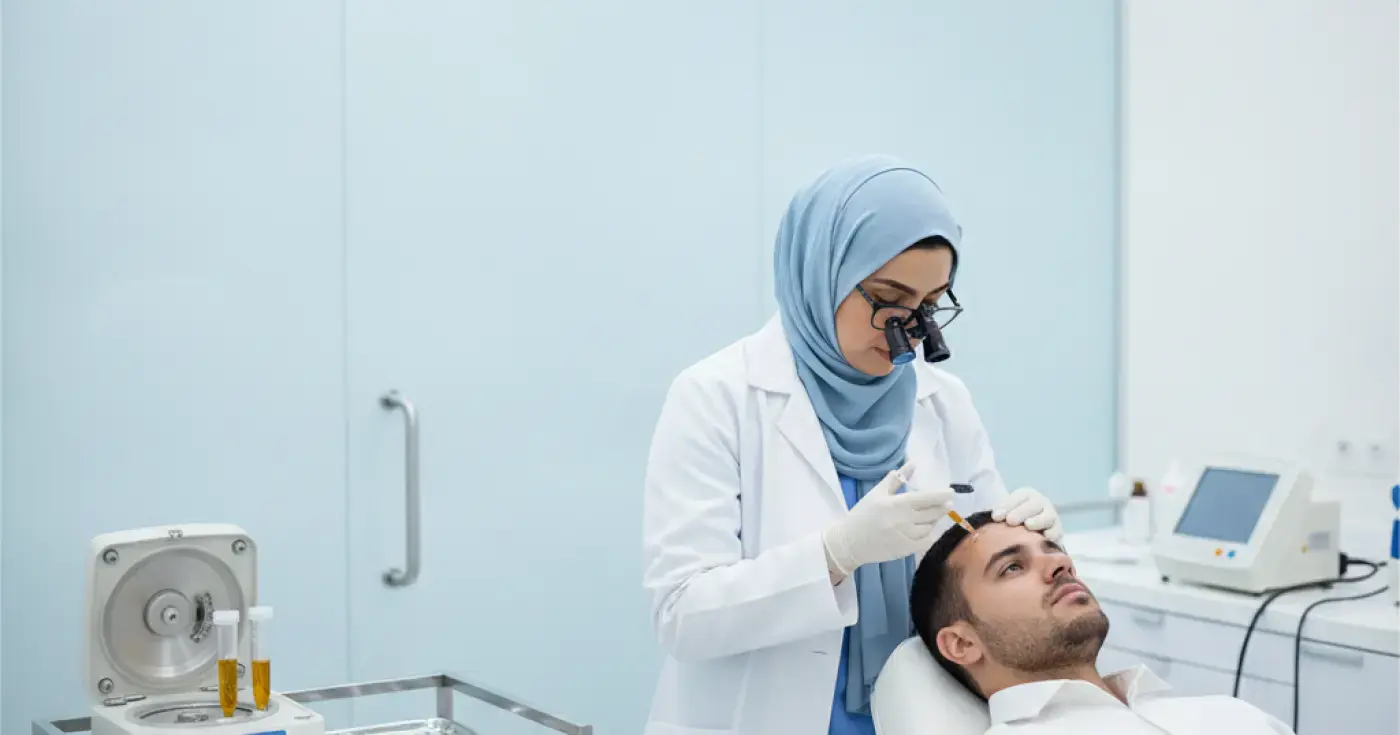
Platelet-Rich Plasma (PRP) therapy has emerged as one of the most popular non-surgical medical aesthetic solutions for treating hair thinning and hair loss. This innovative technique harnesses the body's natural healing and regenerative capabilities by extracting plasma from the patient's own blood and re-injecting it into the scalp to stimulate dormant hair follicles.
In Saudi Arabia's medical aesthetic sector, PRP hair sessions are widely performed in licensed dermatology and cosmetic clinics, adhering to strict sterilization and safety standards set by health authorities.
The extracted plasma contains a highly concentrated amount of platelets, far exceeding the normal concentration found in whole blood. These platelets are rich in essential "growth factors" and bioactive proteins responsible for cellular repair and tissue regeneration.
When injected into the scalp, these growth factors work through several key clinical mechanisms:
PRP is not a universal cure for all stages of baldness, but it yields excellent clinical outcomes for specific candidates. A specialist dermatologist determines suitability after a thorough clinical examination and reviewing blood tests. Ideal candidates include:
A typical PRP session is a straightforward, in-office procedure that does not require general anesthesia and takes approximately 45 to 60 minutes. The process involves the following steps:
A small amount of blood (usually 10 to 20 ml) is drawn from the patient's arm vein, similar to a routine blood test.
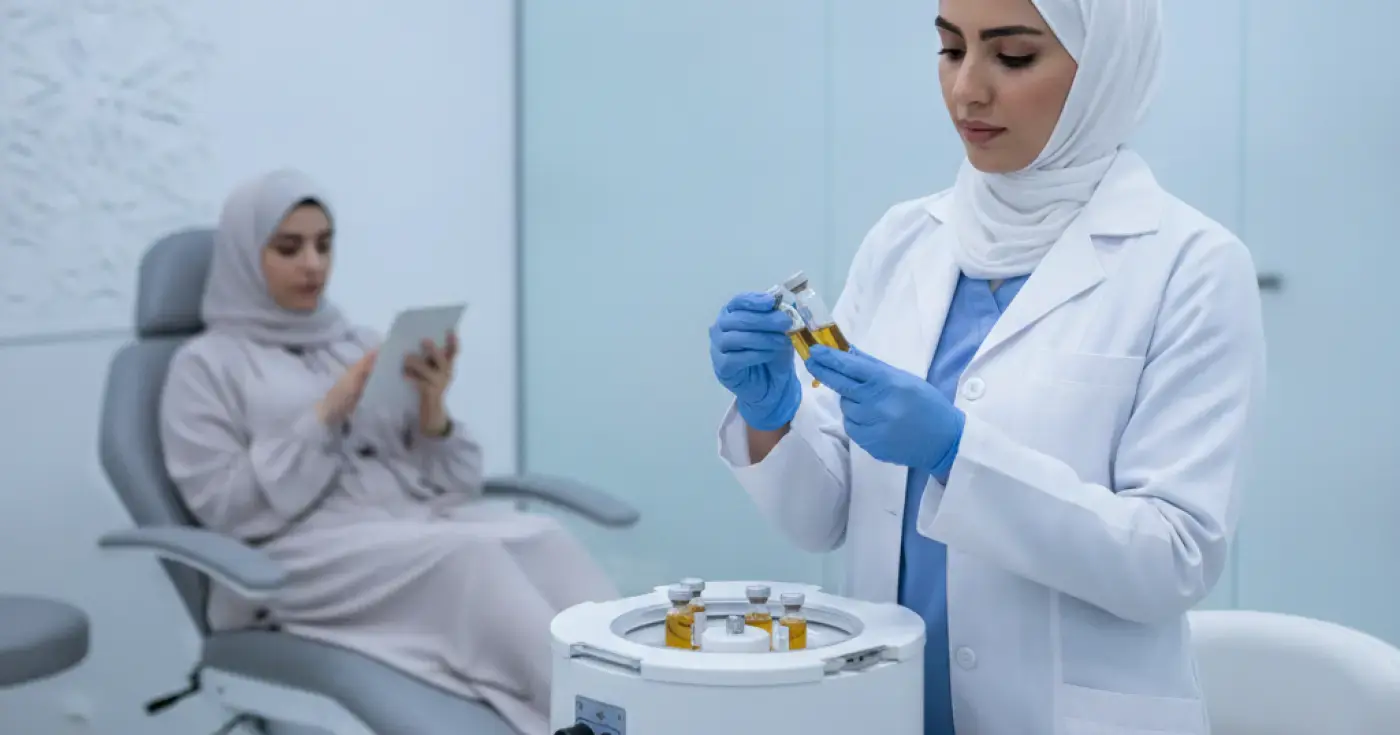
The blood tubes are placed in a specialized centrifuge machine. The device spins at high, controlled speeds for several minutes to separate the blood components based on density. This process yields three distinct layers: red blood cells at the bottom, platelet-poor plasma at the top, and platelet-rich plasma (PRP) in the middle.
The concentrated PRP is carefully extracted into syringes. Using very fine, micro-needles, the physician injects the plasma into the targeted areas of the scalp at precise depths and intervals to ensure direct delivery to the hair follicles.
The following table outlines the primary differences between PRP therapy and other common hair loss interventions:
| Comparison Criteria | PRP Therapy | Topical Minoxidil | Hair Transplantation |
|---|---|---|---|
| Procedure Type | Non-surgical, in-office injections | Daily topical application (spray/foam) | Surgical cosmetic procedure |
| Source of Material | Autologous (from the patient's own blood) | Chemical/Pharmacological | Natural hair follicles from a donor area |
| Side Effects | Temporary and mild (redness, slight swelling) | Scalp dryness, itching, initial shedding | Standard surgical risks, longer recovery period |
| Maintenance | Requires periodic maintenance sessions | Must be used indefinitely to maintain results | Permanent results for successfully grafted follicles |
| Approximate Cost | Moderate | Low (short-term) | High |
Patience is key when undergoing PRP therapy, as the hair growth cycle naturally takes time. The standard clinical protocol generally includes:
Since PRP is derived from the patient's own blood, it carries virtually no risk of allergic reactions or immune rejection. However, some mild, transient side effects may occur, including:
To prevent any complications, such as bacterial infections, it is crucial to have the procedure performed in a licensed medical clinic that strictly adheres to sterile protocols and uses single-use, sterile PRP kits.
Adhering to professional medical advice before and after your session can optimize results and minimize discomfort:
If you are experiencing progressive hair thinning or noticeable bald patches, the essential first step is to schedule a dermatology consultation. A specialist can accurately diagnose the underlying cause of your hair loss (such as thyroid disorders, iron deficiency, or genetics) and design a comprehensive treatment plan tailored to your needs.
Clear, direct answers
Advertisement
Continue exploring
Discover the clinical benefits of Platelet-Rich Plasma (PRP) for skin freshness, collagen production, and scar treatment. Read our expert guide.
Read article
Learn how Facial Platelet-Rich Plasma (PRP) rejuvenates skin, stimulates collagen, and what to expect before and after your treatment.
Read article
Discover the correct medical skincare routine after skin booster sessions. Learn how to manage side effects and maintain your glowing skin safely.
Read articleExplore the topic