
Lahalak Medical PlatformDifferentiate Care
Learn when to expect results from HIFU skin tightening, how long they last, and expert medical tips to maintain your youthful, lifted skin.
Advertisement
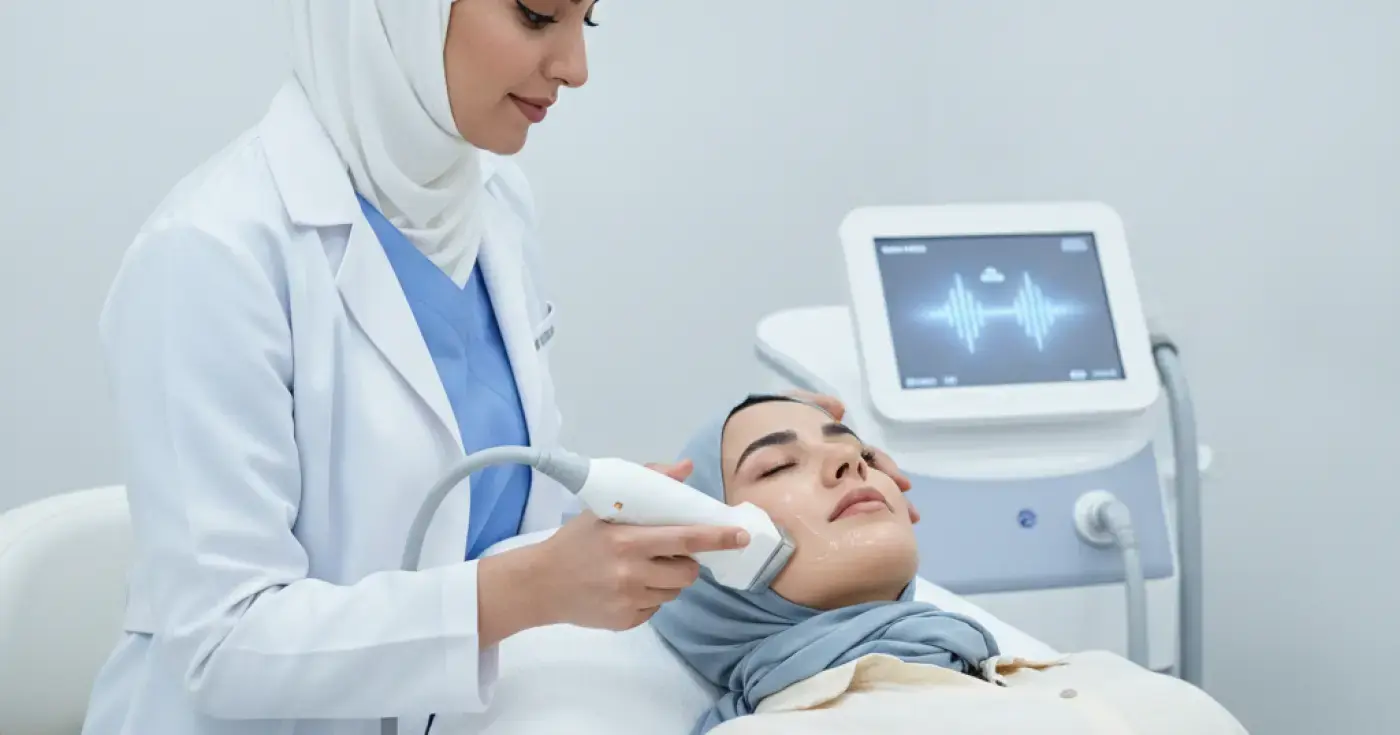
High-Intensity Focused Ultrasound, commonly known as HIFU, is one of the most advanced non-invasive medical aesthetic treatments designed to combat skin laxity and stimulate natural collagen production. Without the need for surgery or prolonged downtime, ultrasound skin tightening is widely utilized to lift the face, define the jawline, elevate the brows, and improve the appearance of sagging skin on the neck and décolletage.
HIFU technology delivers precise, concentrated ultrasound energy deep into the skin's layers, specifically targeting the Superficial Muscular Aponeurotic System (SMAS). This is the exact tissue layer that plastic surgeons manipulate during a traditional surgical facelift. By generating controlled thermal energy at precise focal points, HIFU induces micro-thermal coagulation zones. This thermal effect triggers the body's natural healing response, initiating a process of collagen stimulation and elastin synthesis, which are essential for skin elasticity and youthfulness.
A frequent question in dermatology clinics is: when will I see the results? It is crucial to understand that collagen remodeling is a gradual biological process. The timeline for visible improvement is typically divided into several key phases:
Some patients notice a subtle, immediate lifting and tightening effect right after their session. This initial improvement is primarily due to the heat-induced contraction of existing collagen fibers. However, this immediate result represents only about 10% to 20% of the final, optimal outcome.
The true, structural results begin to manifest gradually over a period of 4 to 8 weeks post-treatment. During this phase, the body actively synthesizes new, stronger collagen fibers, leading to a visible lift in sagging skin and an overall improvement in skin texture and elasticity.
The maximum benefits of a HIFU treatment are typically achieved 3 to 6 months after the procedure. At this stage, the collagen regeneration cycle is complete, revealing a more defined jawline, lifted cheeks, and a significant reduction in neck laxity or double chin appearance.
On average, the rejuvenating effects of a HIFU session last between 12 to 18 months, and in some cases, up to two years. Because the natural aging process continues, HIFU results are not permanent. To maintain the lifting and tightening effects, dermatologists generally recommend a maintenance session once every 12 to 18 months, depending on individual skin condition and aging rate.
The duration and quality of HIFU outcomes vary from person to person based on several biological and lifestyle factors:
The following table outlines the expected timeline and progression of skin tightening after a HIFU procedure:
| Timeframe Post-Treatment | Expected Skin Changes | Approximate Improvement % |
|---|---|---|
| Immediately after | Subtle tightening due to heat-induced collagen contraction | 10% - 20% |
| 4 - 8 Weeks | Gradual improvement in skin elasticity, firmness, and texture | 40% - 50% |
| 3 - 6 Months | Peak results with visible lifting and defined facial contours | 100% (Peak) |
| 12 - 18 Months | Gradual decline in effects due to natural aging processes | Maintenance recommended |
To ensure optimal efficacy and safety, it is essential to follow the recommended clinical care protocol:
The first step is always a comprehensive dermatology consultation to evaluate your skin's suitability for the procedure. Patients are advised to avoid active skincare ingredients like retinols or exfoliating acids for 3 to 5 days prior to treatment and to discuss any blood-thinning medications with their doctor.
The practitioner cleanses the skin, marks the target areas, and applies a specialized ultrasound gel. The HIFU transducer is then systematically moved across the skin to deliver thermal pulses. Patients may experience mild warmth or a tingling sensation, which indicates that the energy is successfully reaching the targeted deep tissue layers.
HIFU requires zero downtime, allowing patients to return to daily activities immediately. However, adhering to a gentle skincare routine is vital. This includes applying a broad-spectrum sunscreen (SPF 50), keeping the skin well-hydrated, and avoiding hot water, saunas, or strenuous exercise for 48 hours post-treatment.
HIFU is highly safe when performed by a qualified medical professional using approved, medical-grade devices. However, some temporary and mild side effects may occur, including:
The ideal candidates are individuals aged 30 to 50 with mild-to-moderate skin laxity who want to address early signs of aging. It is also an excellent option for those seeking a non-surgical alternative to a facelift, or as a preventive measure to delay skin sagging.
If you are considering HIFU skin tightening, booking a professional consultation is the most important step. A specialist can assess your skin's elasticity, discuss your aesthetic goals, and determine if HIFU is the best standalone option or if it should be combined with other treatments for optimal rejuvenation.
Clear, direct answers
Advertisement
Continue exploring
Discover how many ultrasound skin tightening (HIFU) sessions are required, key factors influencing results, recovery, and clinical aftercare.
Read article
Comprehensive guide to non-surgical ultrasound face and neck tightening (HIFU). Learn about ideal candidates, procedure steps, and expected outcomes.
Read article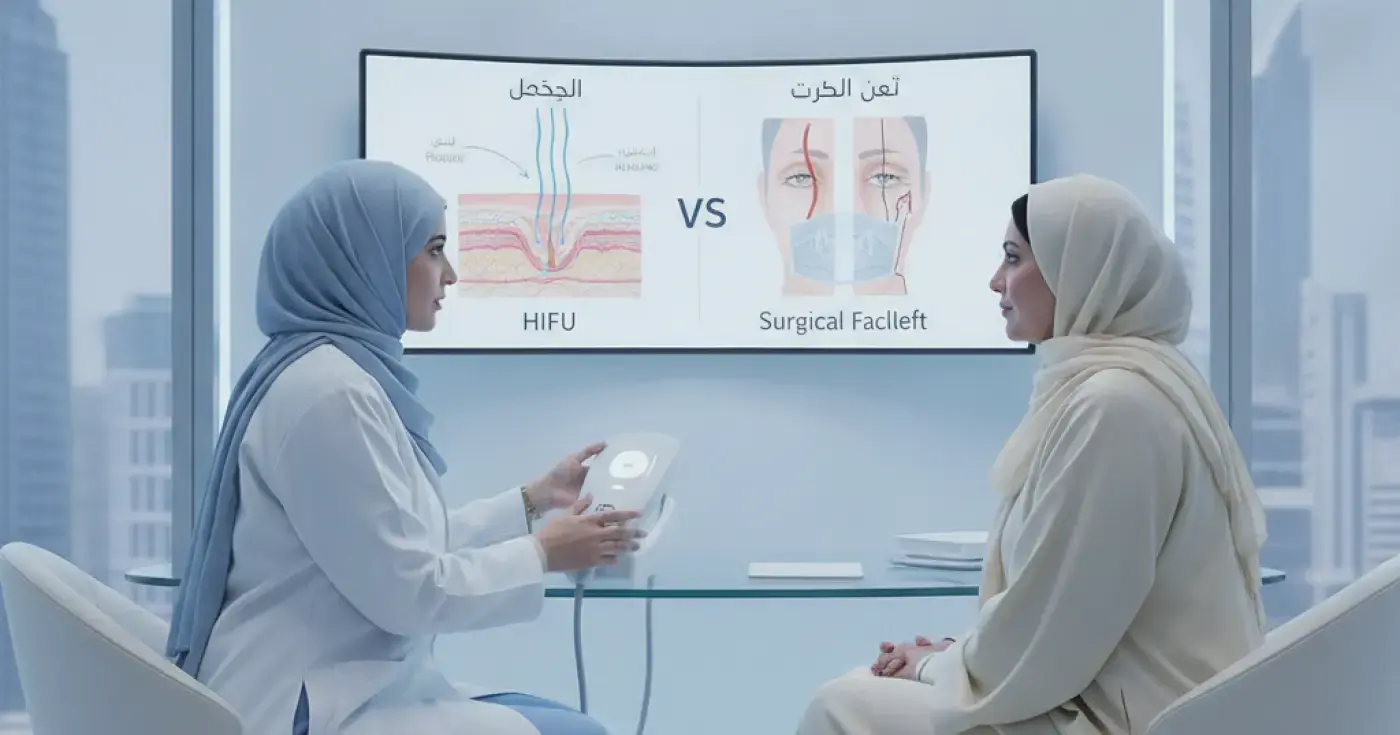
Discover the clinical differences between HIFU ultrasound skin tightening and a surgical facelift. Learn which procedure is best for your skin laxity.
Read article