
Lahalak Medical PlatformDifferentiate Care
Discover how many ultrasound skin tightening (HIFU) sessions are required, key factors influencing results, recovery, and clinical aftercare.
Advertisement
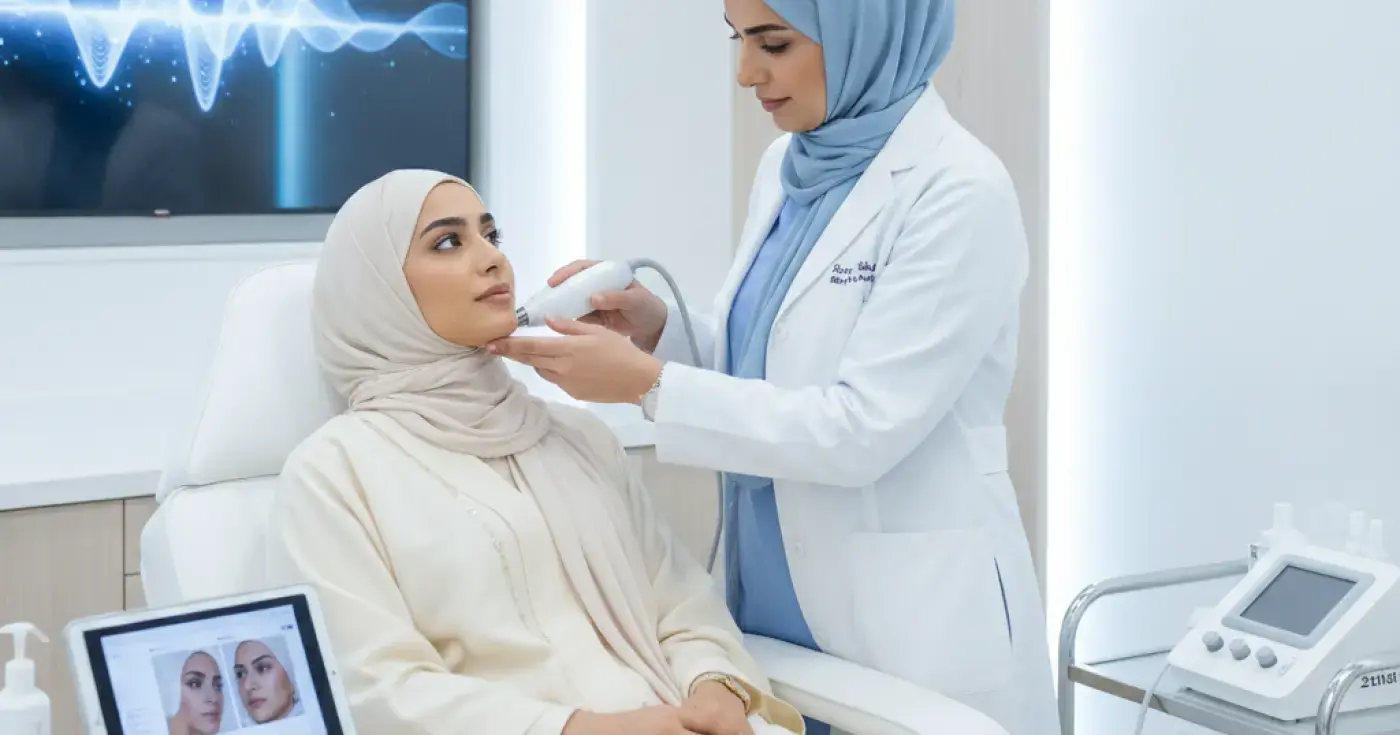
High-Intensity Focused Ultrasound, commonly known as HIFU, is a leading non-invasive clinical innovation in aesthetic dermatology. This technology delivers precise ultrasound energy to the deep structural layers of the skin, including the dermis and the Superficial Muscular Aponeurotic System (SMAS)—the exact layer targeted during surgical facelifts. By delivering focused thermal energy, HIFU stimulates natural collagen synthesis and tightens supportive tissues without surgical incisions or downtime.
A common clinical question is: "How many sessions are required to achieve the desired lifting effect?" For the majority of patients, a single HIFU session is sufficient to produce noticeable, long-lasting skin tightening that persists for up to a year or more. However, treatment plans are highly individualized based on the patient's skin laxity and physiological response.
Typically, the clinical protocol consists of:
Several biological and lifestyle factors determine how many sessions an individual may need to achieve optimal results:
Patients presenting with mild to moderate skin laxity around the jawline, neck, or brow area typically achieve excellent outcomes from a single session. Conversely, severe laxity or significant volume loss may require a combination approach, integrating HIFU with other modalities such as dermal fillers or thread lifts.
Age plays a key role in cellular regeneration. Patients in their 30s and 40s generally have a higher biological capacity for collagen production compared to those in their 50s and 60s. Older skin may require additional sessions or shorter intervals between treatments to stimulate an adequate collagen response.
Environmental stressors directly impact collagen integrity. Smoking, chronic sun exposure without broad-spectrum protection, poor nutrition, and dehydration accelerate collagen degradation, which can diminish the longevity of HIFU results and necessitate more frequent sessions.
HIFU devices deliver focused ultrasound waves that generate controlled thermal energy (between 60°C and 70°C) at precise depths beneath the skin. This targeted thermal coagulation leads to:
The following table outlines the clinical differences between HIFU and other popular skin tightening options:
| Feature | HIFU Skin Tightening | Radiofrequency (RF) | Surgical Facelift |
|---|---|---|---|
| Invasiveness | Non-invasive | Non-invasive / Superficial | Invasive Surgery |
| Target Depth | Up to 4.5 mm (SMAS layer) | Epidermis and upper dermis | All anatomical layers |
| Typical Sessions | 1 - 2 sessions | 3 - 6 sessions | Single procedure |
| Downtime | None (Immediate return to activities) | Minimal (0 - 24 hours) | 2 to 4 weeks |
| Result Longevity | 12 - 18 months | 6 - 12 months | 5 - 10 years |
Understanding the clinical steps of a HIFU treatment helps ensure patient safety and optimal results:
Patients are advised to discontinue active skincare ingredients, such as retinoids or strong alpha-hydroxy acids (AHAs), at least three days prior to treatment. The skin must be thoroughly cleansed and free of cosmetics or topical creams on the day of the procedure.
A chilled ultrasound gel is applied to the target area to facilitate energy transmission. The practitioner then glides the handpiece over the skin. Patients may experience mild thermal tingling or deep pressure, which indicates that the ultrasound energy is reaching the intended depths.
Aftercare is straightforward but essential. Patients must apply a broad-spectrum sunscreen daily to protect the treated skin, avoid washing the face with hot water for 48 hours, and refrain from strenuous exercise or saunas for a few days to prevent skin irritation.
While some immediate tightening may be observed due to collagen contraction, the definitive clinical results develop gradually over 2 to 3 months. This timeframe aligns with the biological cycle of neocollagenesis. Results continue to improve up to the 6-month mark and typically last between 12 and 18 months, depending on individual skin characteristics and lifestyle habits.
HIFU is highly suitable for individuals seeking non-surgical rejuvenation who present with:
HIFU is a clinically safe, FDA-cleared procedure. However, temporary and mild side effects may occur, including:
Contraindications include pregnancy, active skin infections, open wounds in the treatment area, and metallic implants or pacemakers near the target site.
To ensure a safe and successful aesthetic outcome, always follow these clinical guidelines:
Clear, direct answers
Advertisement
Continue exploring
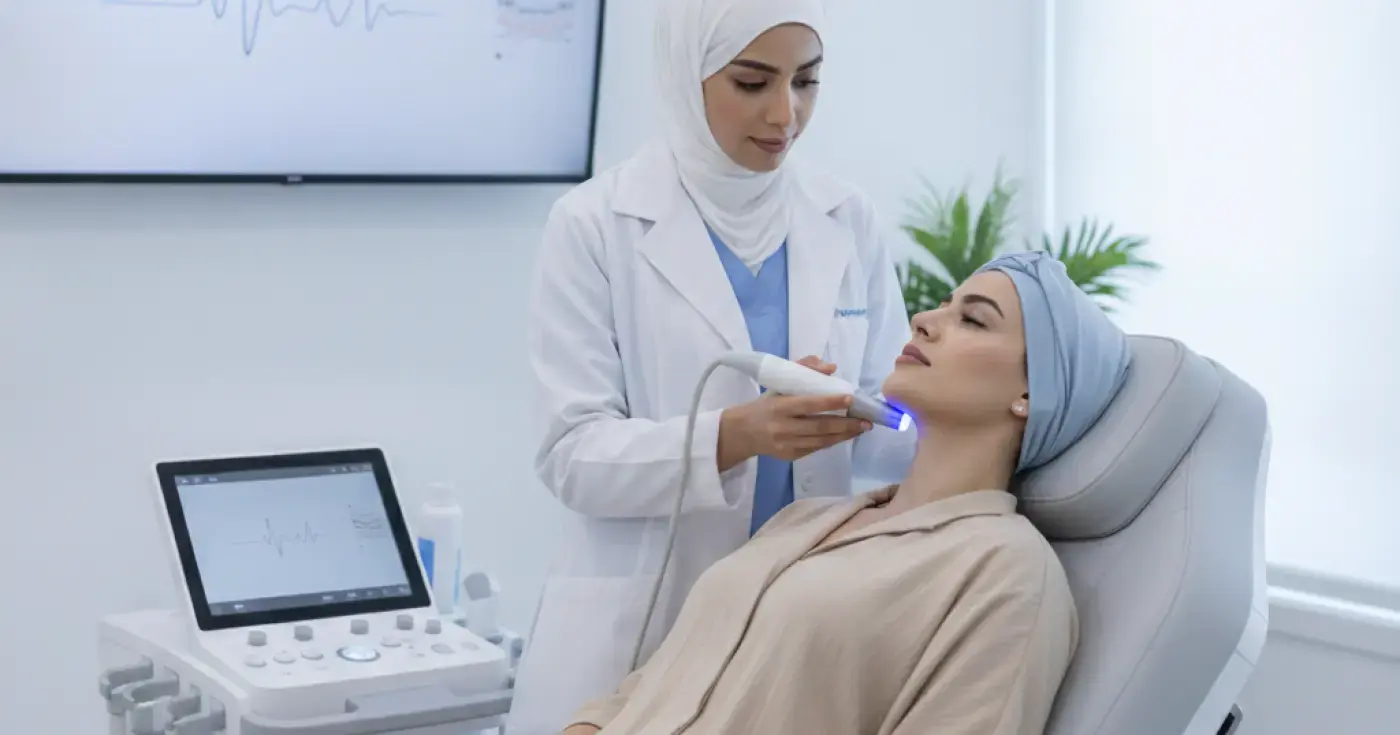
Comprehensive guide to non-surgical ultrasound face and neck tightening (HIFU). Learn about ideal candidates, procedure steps, and expected outcomes.
Read article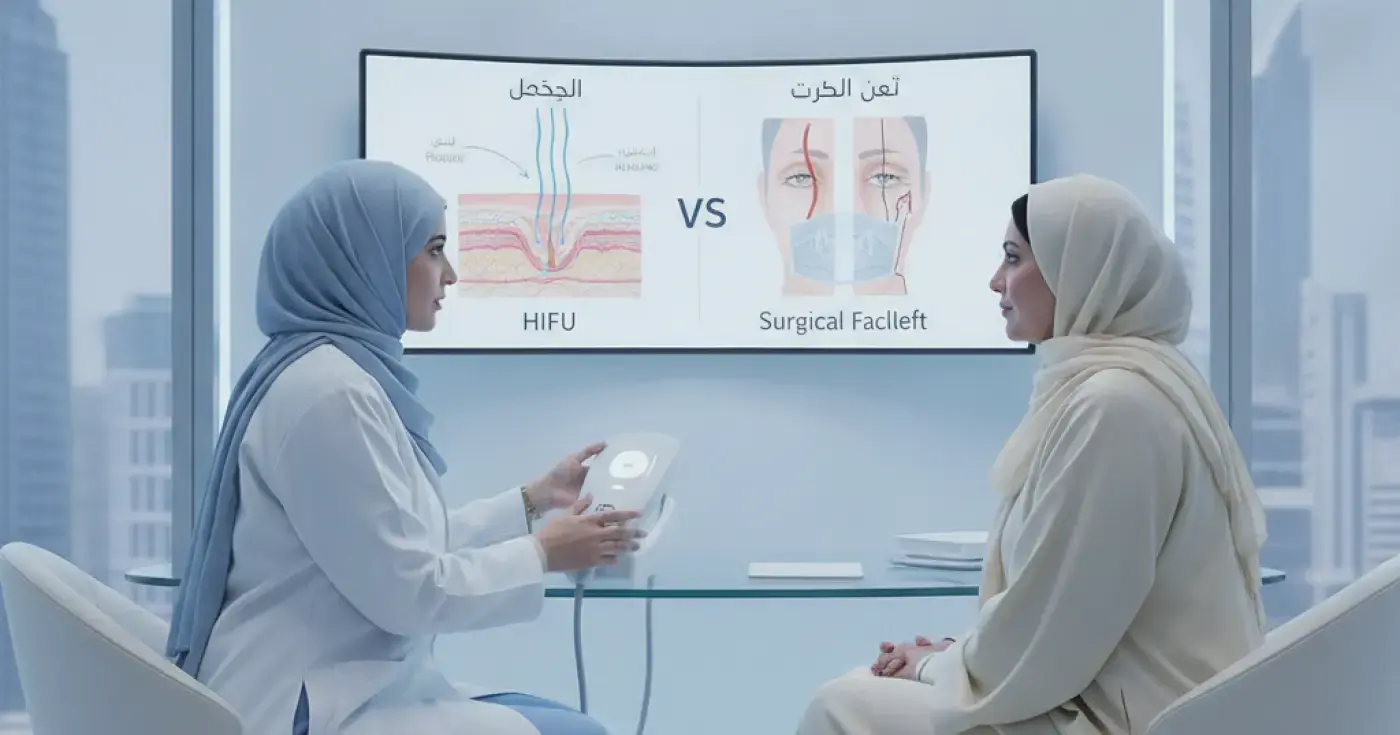
Discover the clinical differences between HIFU ultrasound skin tightening and a surgical facelift. Learn which procedure is best for your skin laxity.
Read article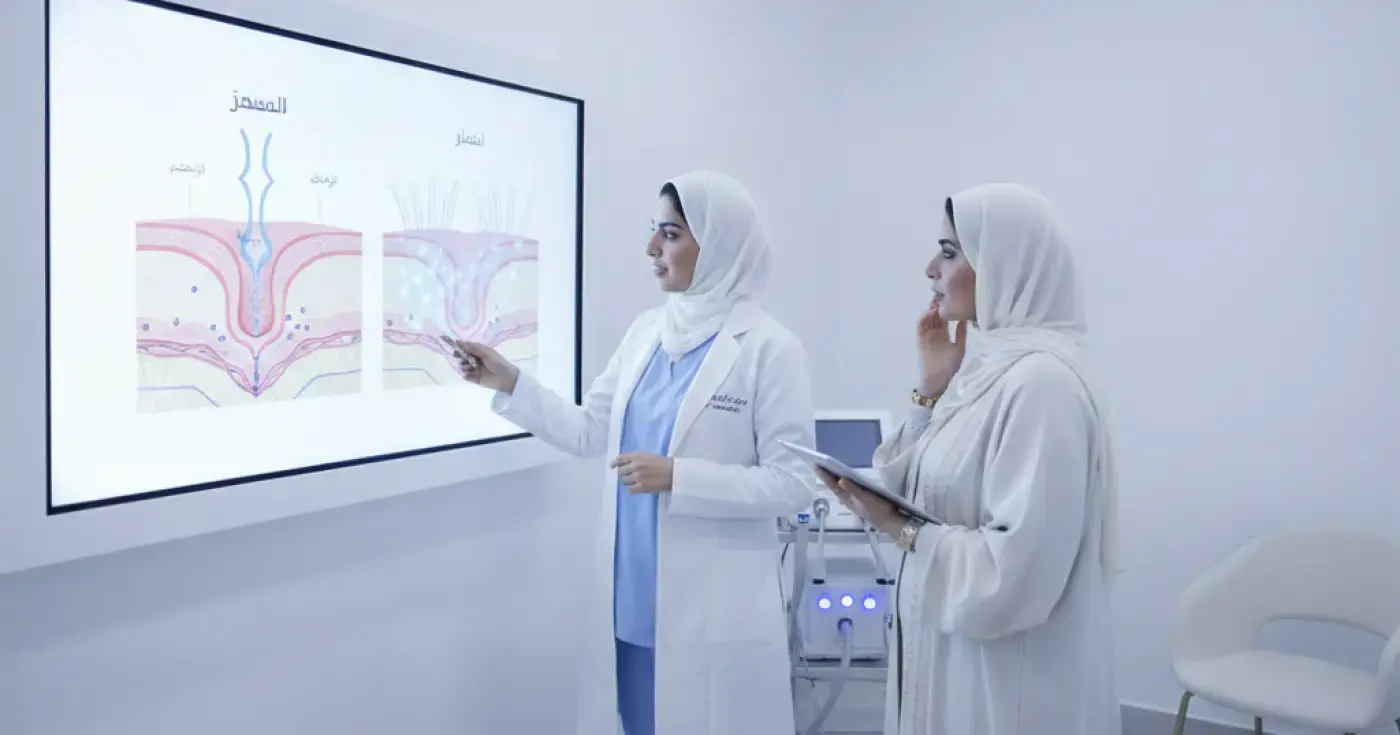
Compare HIFU and laser face lifting. Learn about target depths, clinical efficacy, recovery times, and how to choose the right treatment.
Read article