
Lahalak Medical PlatformDifferentiate Care
Learn about Alopecia Areata, its autoimmune causes, symptoms, diagnosis, and the latest medical treatments available.
Advertisement
Alopecia areata is a common dermatological condition that causes significant concern and anxiety for those affected. It typically presents as smooth, round, or oval patches of hair loss on the scalp or other parts of the body. While it does not pose a direct threat to general physical health, its psychological and aesthetic impact can be profound, making a deep understanding of the disease and its treatment options essential.
Alopecia areata is a non-contagious, autoimmune skin disease characterized by sudden hair loss in localized areas. This disorder occurs when the body's immune system mistakenly attacks healthy hair follicles, weakening them and forcing them into a premature resting phase. Consequently, hair falls out without causing permanent scarring to the skin. This means the follicles remain alive and retain the potential to regrow hair once the overactive immune response is controlled.
The clinical presentation of alopecia areata varies based on the extent and pattern of hair loss. The primary types include:
Although the exact trigger for the immune system malfunction remains under investigation, medical consensus points to a combination of several factors:
Normally, white blood cells protect the body from foreign invaders. In alopecia areata, T-lymphocytes mistakenly target hair follicles, causing mild inflammation around the follicle that halts normal hair production.
Genetics play a significant role; statistics show that approximately 15% to 20% of affected individuals have a family member with the same condition. It is also linked to a family history of other autoimmune disorders, such as type 1 diabetes, Hashimoto's thyroiditis, or vitiligo.
Severe emotional stress, physical trauma, or acute viral infections can act as triggers that initiate the disease in individuals who are genetically susceptible.
Alopecia areata is characterized by distinct signs that a dermatologist can easily identify:
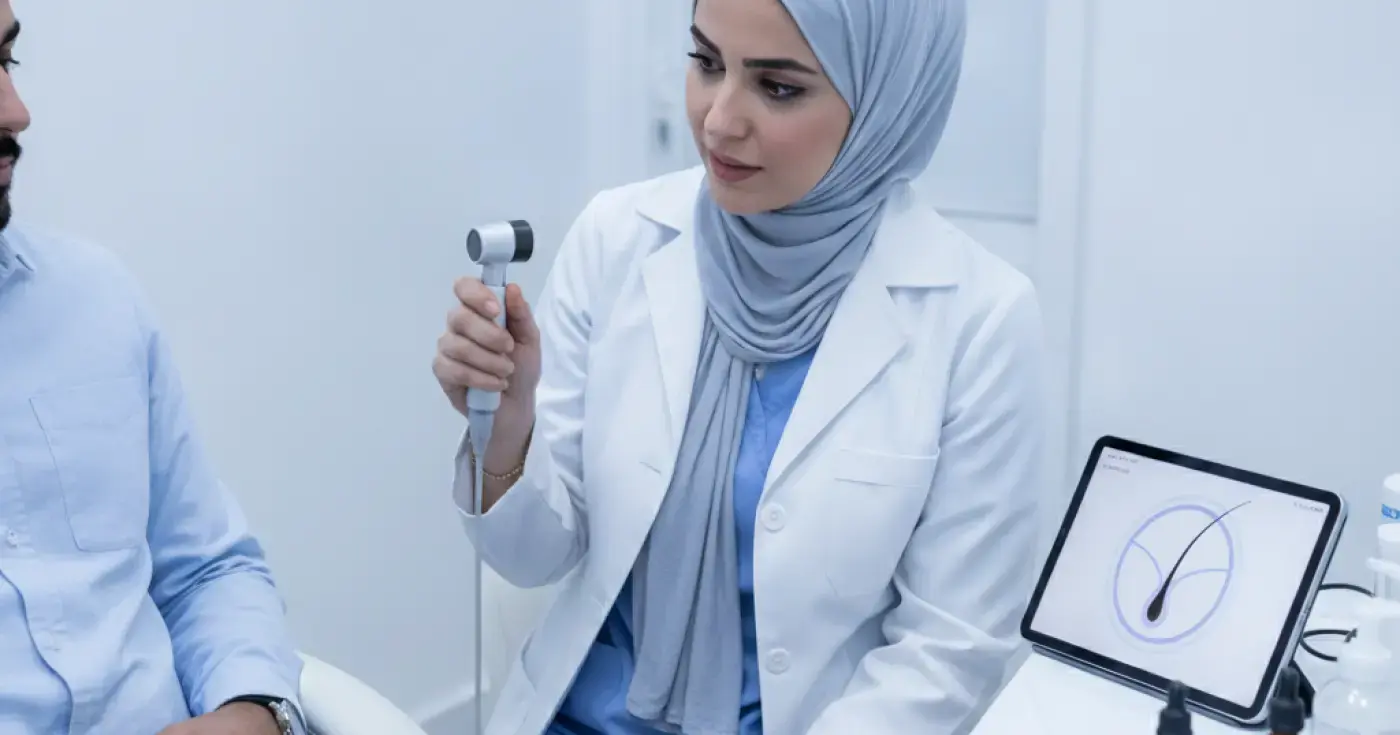
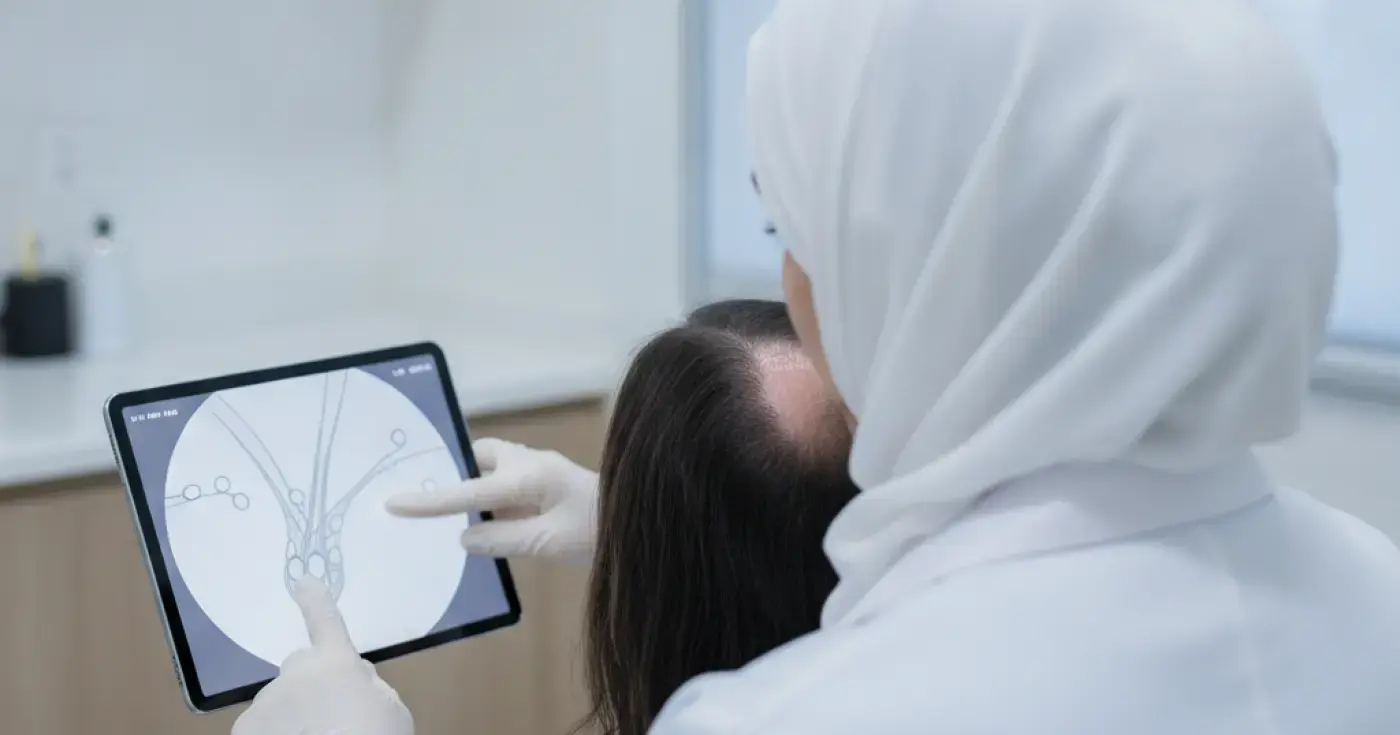
An accurate diagnosis requires a professional dermatologist consultation, which typically involves:
Treatments aim to suppress the immune attack and stimulate hair follicles to regrow. The following table outlines the primary medical treatments utilized in clinical practice:
| Treatment Type | Mechanism and Administration | Target Group |
|---|---|---|
| Topical Corticosteroids | Creams or ointments that reduce localized inflammation around follicles. | Mild and limited cases. |
| Intralesional Corticosteroid Injections | Direct injections into affected patches every 4-6 weeks to suppress local immunity. | Small, stable patches in adults. |
| Minoxidil | A topical solution that stimulates blood flow to follicles and promotes growth. | Adjuvant therapy combined with other treatments. |
| Topical Immunotherapy | Applying chemicals to induce a mild allergic contact dermatitis, stimulating hair growth. | Extensive or resistant cases. |
| JAK Inhibitors | Advanced oral medications that precisely target inflammatory pathways. | Severe, total, or universal cases. |
It is important to note that choosing the most appropriate treatment plan depends entirely on the dermatologist's evaluation of the individual case, and these treatments should not be used without direct medical supervision.
Because alopecia areata affects physical appearance, psychological support is a vital component of the therapeutic journey. Dermatologists recommend joining support groups, practicing stress-reduction techniques, and exploring cosmetic solutions such as high-quality hairpieces or micro-pigmentation to boost confidence during recovery.
It is highly recommended to seek professional medical care and initiate hair loss treatment as soon as you notice any sudden hair loss or bald patches. Early intervention can help control disease activity and prevent progression to larger areas.
Many misconceptions surround this condition. It is essential to clarify the scientific facts:
Clear, direct answers
Advertisement
Continue exploring
Learn about alopecia areata, its causes, symptoms, and the latest FDA-approved medical treatments to restore hair growth safely.
Read article
Find out when hair loss is pathological and requires a dermatologist. Learn about warning signs, diagnostic tests, and medically approved treatments.
Read article
What lab tests and exams do doctors order for hair loss? Learn about blood tests, scalp biopsies, and clinical examinations in detail.
Read article