
Lahalak Medical PlatformDifferentiate Care
Learn about alopecia areata, its causes, symptoms, and the latest FDA-approved medical treatments to restore hair growth safely.
Advertisement
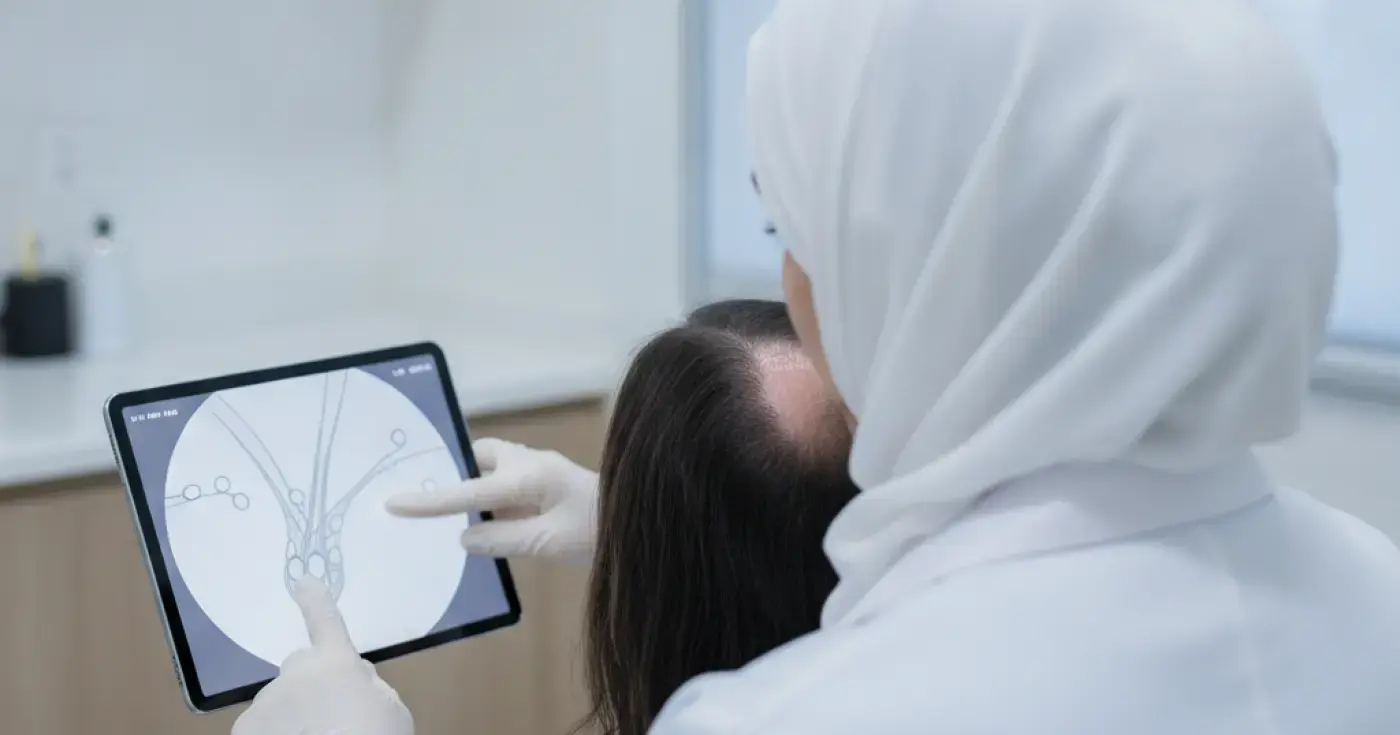
Alopecia areata is a common autoimmune dermatological condition characterized by sudden hair loss, typically presenting as smooth, round, or oval patches on the scalp or other hair-bearing areas of the body. In this condition, the body's immune system mistakenly targets active hair follicles, causing them to enter a premature resting phase. Fortunately, the follicles are not permanently destroyed, meaning hair regrowth remains highly possible with appropriate medical intervention.
In Saudi Arabia, hair and scalp disorders are among the most frequent reasons for seeking a dermatology consultation. Understanding the nature of alopecia is crucial, as it affects individuals of all ages, genders, and ethnic backgrounds, often carrying a significant psychosocial impact.
Alopecia manifests in several clinical forms depending on the pattern and extent of hair loss:
While the exact trigger for the autoimmune attack on hair follicles is still being researched, medical consensus points to a combination of genetic predisposition and environmental factors:
T-lymphocytes (white blood cells) mistakenly cluster around the hair follicles, releasing inflammatory cytokines that halt hair production and cause the hair shaft to shed prematurely.
Genetics play a significant role. Approximately 15% to 20% of individuals diagnosed with alopecia areata have a family history of the condition or other autoimmune disorders.
Individuals with a personal or family history of thyroid disease (such as Hashimoto's thyroiditis), vitiligo, atopic dermatitis, or type 1 diabetes have a higher risk of developing alopecia.
Severe emotional stress, physical trauma, or viral infections can act as triggers that initiate the autoimmune cascade in genetically susceptible individuals.
The primary symptom of alopecia is patchy hair loss. Key clinical features include:
An accurate diagnosis is essential to rule out other forms of hair loss. A dermatologist will typically perform:
Recent years have seen remarkable advancements in the management of alopecia areata. Current therapies aim to suppress the localized immune response and stimulate hair regrowth:
For extensive or chronic alopecia, chemicals like diphenylcyclopropenone (DPCP) are applied to the scalp to induce a mild allergic contact dermatitis. This reaction alters the local immune response, diverting inflammatory cells away from the hair follicles.
JAK inhibitors represent a revolutionary breakthrough in the treatment of severe alopecia areata. Medications such as Baricitinib and Ritlecitinib selectively block the signaling pathways responsible for the autoimmune attack. These systemic treatments have shown outstanding efficacy in restoring hair growth in patients with extensive hair loss, under strict medical supervision and routine laboratory monitoring.
| Treatment Type | Mechanism of Action | Target Patient Group | Potential Side Effects |
|---|---|---|---|
| Intralesional Corticosteroids | Reduces localized follicular inflammation | Adults with limited to moderate patches | Temporary skin thinning or atrophy at injection sites |
| Topical Corticosteroids | Mild localized immunosuppression | Mild cases and pediatric patients | Skin thinning with prolonged use |
| Topical Immunotherapy | Redirects immune cells via controlled allergic reaction | Patients with extensive or universal alopecia | Redness, itching, and temporary lymph node swelling |
| JAK Inhibitors | Systemically blocks inflammatory pathways | Severe, refractory, or universal cases | Lipid profile changes, increased risk of mild infections |
In addition to following a personalized hair loss treatment plan prescribed by a specialist, patients can adopt several supportive measures:
Early intervention is key to managing alopecia effectively. You should consult a specialist as soon as you notice sudden hair shedding or the appearance of bald patches. A timely diagnosis allows for the initiation of targeted therapies that can halt progression and promote faster, safer hair recovery.
Clear, direct answers
Advertisement
Continue exploring
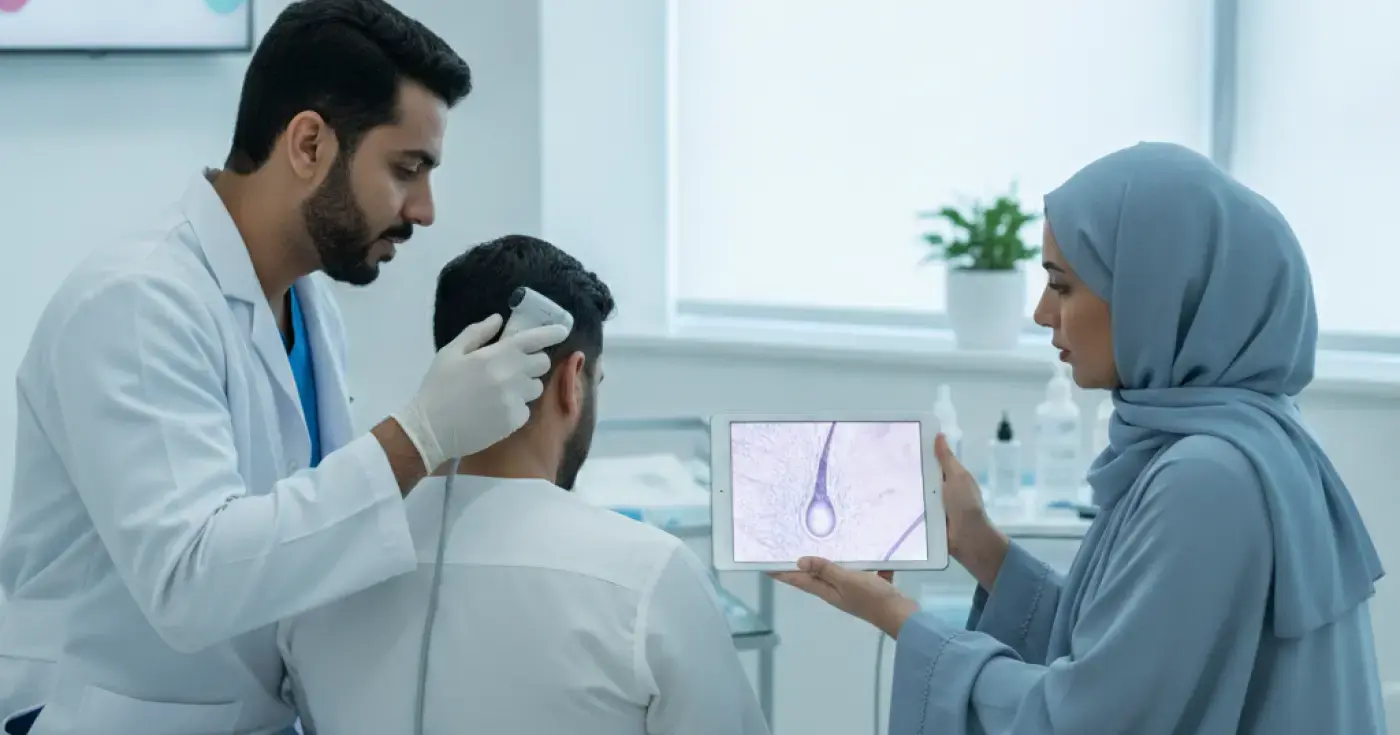
Find out when hair loss is pathological and requires a dermatologist. Learn about warning signs, diagnostic tests, and medically approved treatments.
Read article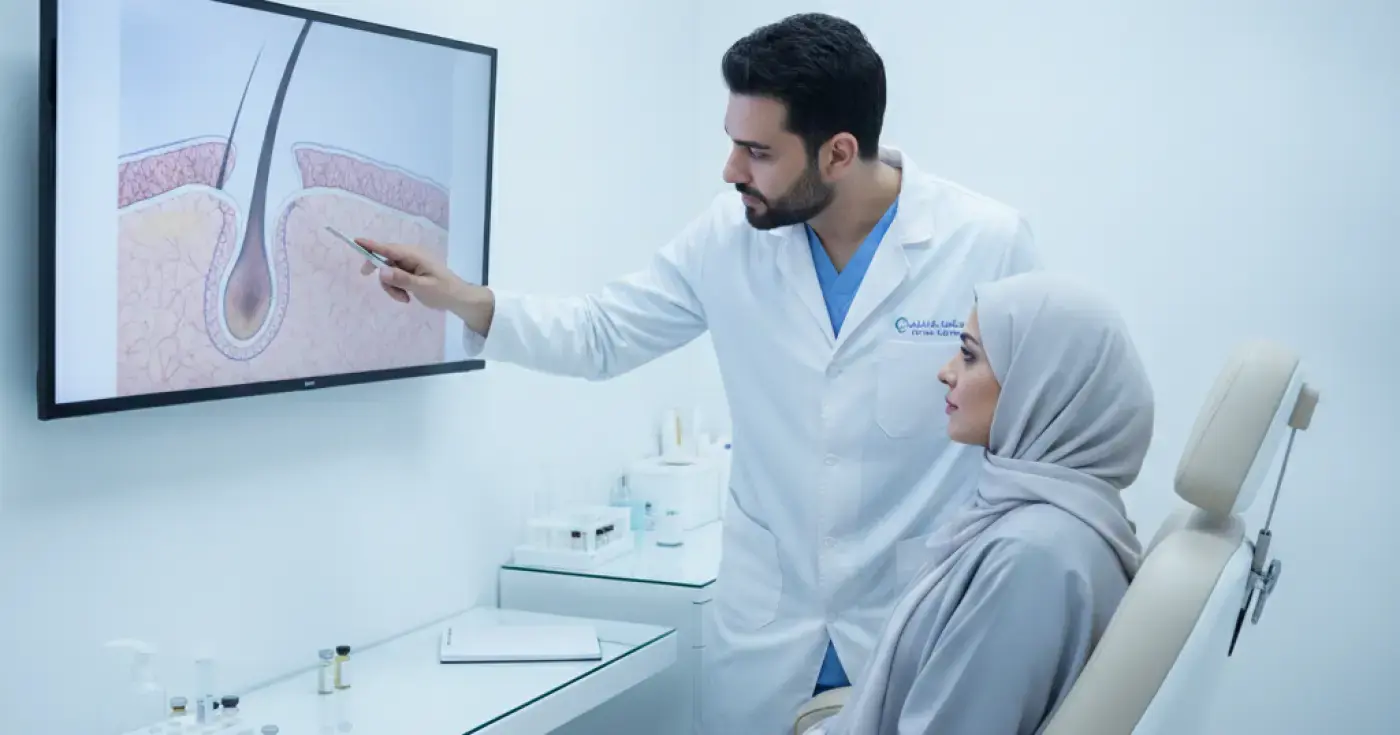
What lab tests and exams do doctors order for hair loss? Learn about blood tests, scalp biopsies, and clinical examinations in detail.
Read article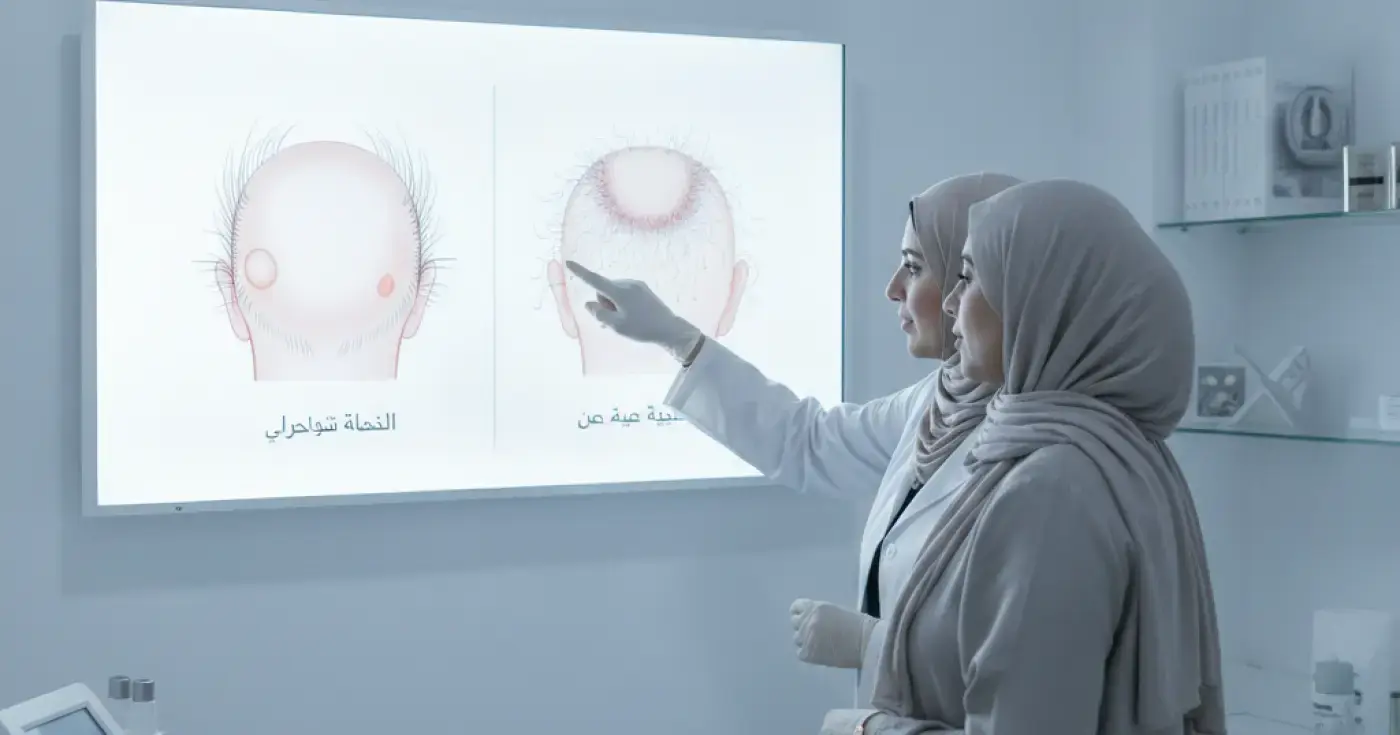
Learn the clinical differences between alopecia areata and general hair loss, including causes, symptoms, diagnosis, and medical treatments.
Read articleExplore the topic