
Lahalak Medical PlatformDifferentiate Care
Learn how vitamin and mineral deficiencies cause hair loss, the key nutrients for hair follicle health, and when to consult a dermatologist.
Advertisement
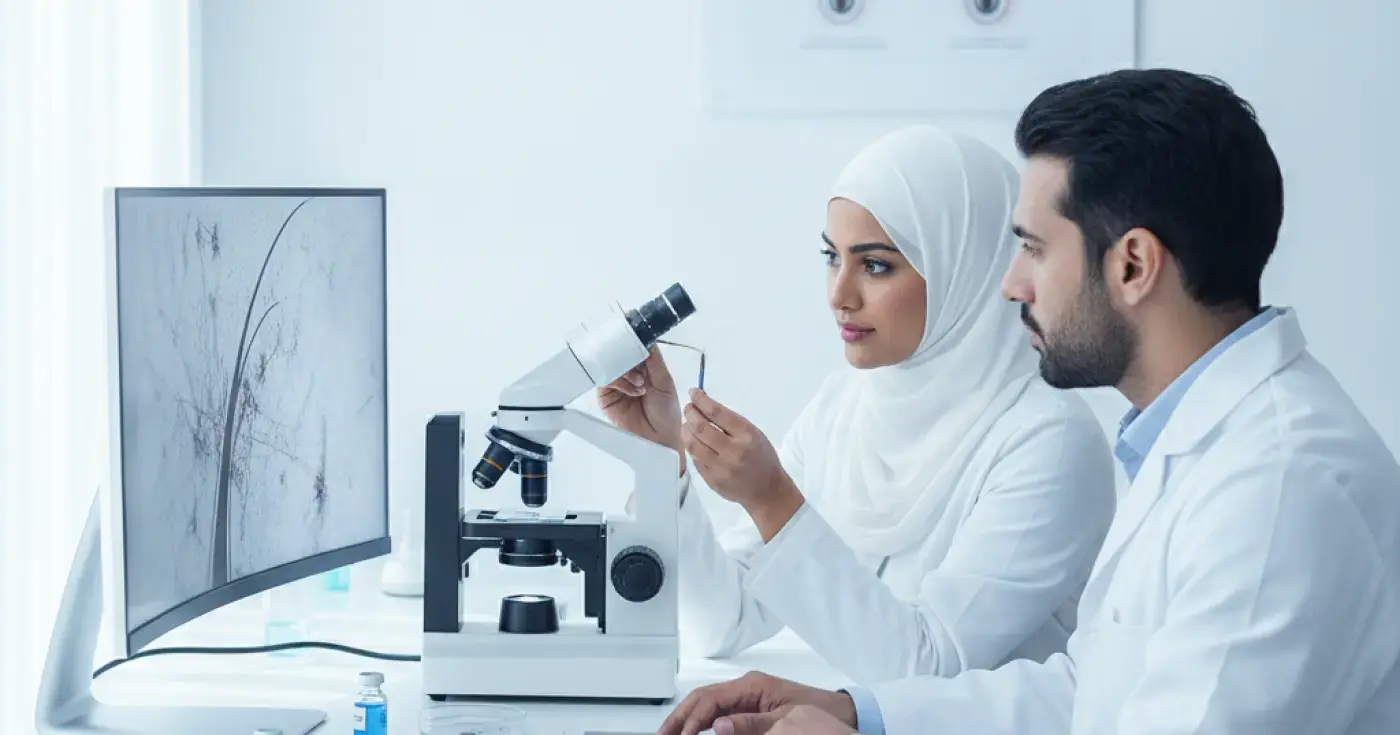
Hair is often a reflection of the body's internal health. Hair follicles are among the most metabolically active cells in the human body, requiring a constant and balanced supply of nutrients and energy to function optimally. When the body experiences a deficiency in essential vitamins or minerals, it prioritizes distributing these scarce nutrients to vital organs, which often leads to compromised hair health and hair shedding as an early sign of nutritional deficiency.
The hair growth cycle consists of three main phases: Anagen (growth), Catagen (regression), and Telogen (resting). Severe nutritional deficiencies disrupt this cycle, prematurely pushing a large percentage of hair follicles into the resting phase. This clinical condition is known as Telogen Effluvium. Individuals with this condition typically notice excessive hair shedding during brushing or showering several weeks or months after the onset of nutritional deficiency or physical stress.
Vitamin D plays a crucial role in stimulating new and old hair follicles. A deficiency in Vitamin D is strongly linked to hair loss, including Alopecia Areata and female pattern hair loss. Undergoing a Vitamin D test is essential to determine your levels and receive appropriate corrective medical dosages.
Vitamin C is a powerful antioxidant that protects hair follicles from oxidative stress caused by free radicals. Furthermore, it is essential for iron absorption in the gut, making it directly linked to preventing hair loss associated with iron deficiency anemia.
Iron deficiency, with or without anemia, is one of the most common causes of hair loss in women. Iron is a key component of hemoglobin, and its deficiency deprives hair follicle cells of oxygen. Doctors frequently recommend an iron blood test and ferritin level check to diagnose and manage this type of shedding.
Zinc is vital for hair tissue growth and repair, and it helps keep the oil glands around the follicles working properly. Hair loss is a classic symptom of zinc deficiency; however, excessive zinc supplementation must be avoided as it can interfere with other minerals.
| Nutrient | Role in Hair Health | Deficiency Symptoms | Safe Food Sources |
|---|---|---|---|
| Vitamin D | Stimulates follicle growth | Diffuse hair shedding, slow growth | Fatty fish, egg yolks, fortified foods, safe sun exposure |
| Iron | Oxygenates hair follicles | Telogen effluvium, brittle hair | Red meat, spinach, lentils, liver |
| Zinc | Cell division and protein synthesis | Hair loss, dry scalp | Seafood, nuts, seeds, lean meats |
| Biotin | Keratin synthesis | Hair thinning, brittle nails | Eggs, bananas, almonds, legumes |
A common misconception is that taking high doses of vitamins will accelerate hair growth. In reality, over-supplementing certain nutrients can be highly detrimental. For instance, toxicity from excess Vitamin A or Selenium can actually trigger severe hair shedding. Therefore, therapeutic doses of supplements should only be taken under medical supervision following proper blood tests.
When consulting a dermatologist for hair loss, the clinical protocol typically includes:
Based on the findings, the physician will design a personalized plan that may include targeted nutritional supplements, dietary adjustments, and advanced hair loss treatment options if indicated.
To support your hair health and prevent nutritional shedding, follow these practical hair care guidelines: maintain a balanced diet rich in proteins and leafy greens, avoid extreme restrictive diets, handle your hair gently by minimizing heat and harsh chemical treatments, and consult a medical professional as soon as you notice unusual shedding to address the root cause early.
Clear, direct answers
Advertisement
Continue exploring
A medical guide on male pattern hair loss: learn when it starts, how it is diagnosed, and clinically proven treatments including medications and transplants.
Read article
A comprehensive medical guide on the causes of hair loss in women, diagnostic methods, and the latest clinical and aesthetic treatment options.
Read article
Learn how to distinguish between normal daily hair shedding and pathological hair loss, including common causes, diagnostic tests, and medical treatments.
Read articleExplore the topic