
Lahalak Medical PlatformDifferentiate Care
A comprehensive medical guide on the causes of hair loss in women, diagnostic methods, and the latest clinical and aesthetic treatment options.

Advertisement
Hair is often associated with health and vitality, making hair loss a significant source of distress for many women. Contrary to the common belief that hair loss is predominantly a male issue, clinical studies show that a large percentage of women experience varying degrees of hair thinning and loss at some point in their lives, particularly during major hormonal shifts such as pregnancy, postpartum, and menopause.
Every hair follicle goes through a continuous growth cycle consisting of three main phases:
Losing between 50 to 100 hairs per day is considered normal. However, when shedding exceeds this rate or visible thinning occurs, a professional medical evaluation is recommended.
Numerous medical, hormonal, and environmental factors can weaken hair follicles and lead to shedding:
Genetics play a major role in Female Pattern Hair Loss (FPHL). Hormonal fluctuations, such as those associated with thyroid disorders, Polycystic Ovary Syndrome (PCOS), and the decline of estrogen during menopause, are also primary triggers.
Severe emotional stress, major surgery, high fever, or rapid weight loss can shock the body, forcing a large number of hair follicles prematurely into the resting phase. This results in significant shedding a few months after the triggering event.
Nutritional deficiencies directly impact follicle health. Low iron levels (anemia), vitamin D deficiency, zinc deficiency, and inadequate protein intake are common culprits behind hair thinning.
Conditions such as Alopecia Areata (an autoimmune disease where the immune system attacks hair follicles), fungal scalp infections, and systemic lupus can cause localized or widespread hair loss.
Dermatologists classify female hair loss into several distinct types based on pattern and cause:
Effective treatment relies on an accurate diagnosis of the underlying cause. During a consultation with a dermatologist, the diagnostic process typically includes:
Medical and aesthetic treatments vary depending on the specific diagnosis:
Topical Minoxidil (2% or 5%) is a clinically approved treatment that stimulates hair growth and prolongs the anagen phase. It must be used consistently under medical guidance. Additionally, targeted vitamin and iron supplements are prescribed if deficiencies are detected.
Modern clinics offer advanced procedures to help restore hair density, including:
| Treatment Option | Mechanism of Action | Common Indication | Expected Results |
|---|---|---|---|
| Topical Minoxidil | Dilates blood vessels and stimulates follicles | Female Pattern Hair Loss | Gradual improvement visible within 3 to 6 months of continuous use |
| PRP Therapy | Nourishes follicles with natural growth factors | Telogen Effluvium & FPHL | Increased hair thickness and reduced shedding after several sessions |
| Nutritional Supplements | Corrects essential vitamin and mineral deficiencies | Deficiency-related hair shedding | Restored hair vitality and strength once nutrient levels normalize |
| Hair Transplant | Surgically transfers healthy follicles to thinning areas | Advanced or irreversible hair loss | Permanent, natural-looking hair growth in treated areas |
In addition to medical treatments, daily hair care habits play a vital role in maintaining hair strength. It is recommended to:
You should seek professional medical advice promptly if you experience:
Early diagnosis is key to halting the progression of hair loss and successfully restoring hair health under trusted medical supervision.
Clear, direct answers
Advertisement
Continue exploring

Learn how to distinguish between normal daily hair shedding and pathological hair loss, including common causes, diagnostic tests, and medical treatments.
Read article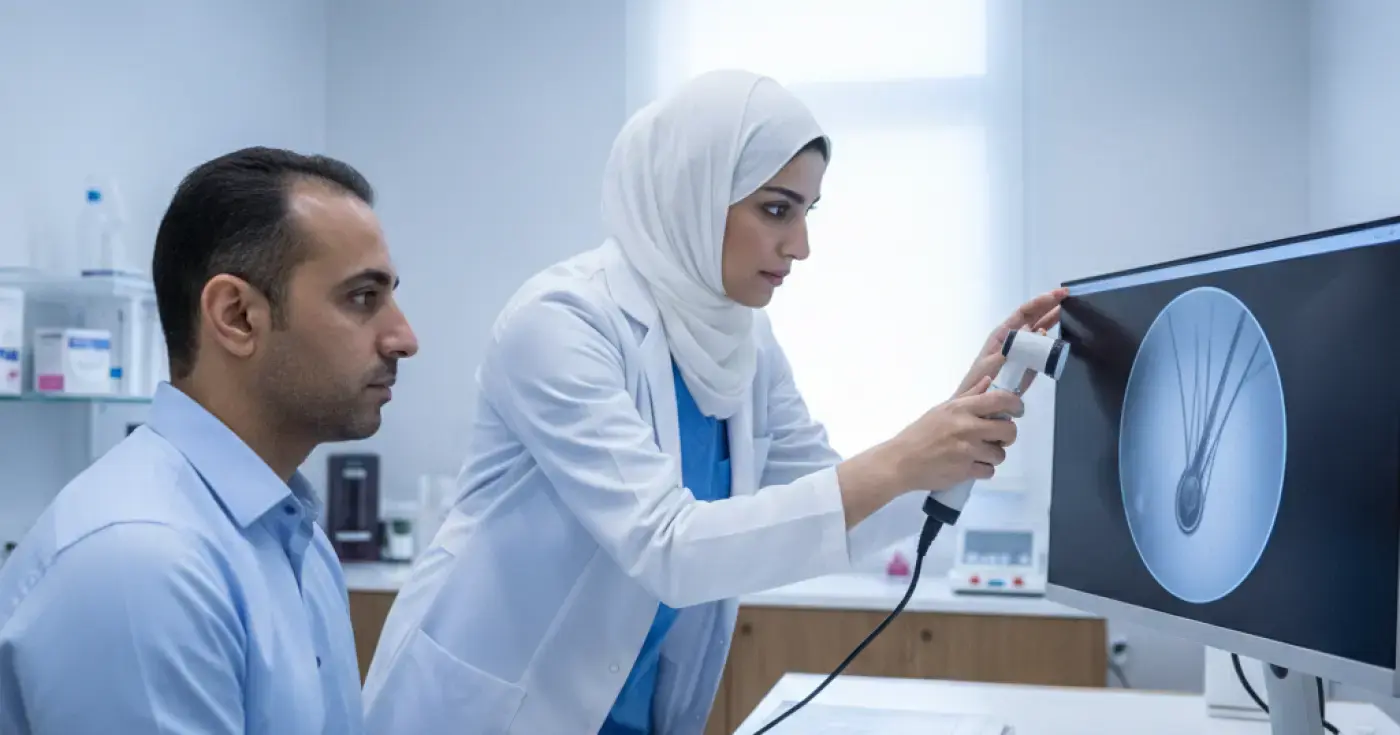
A comprehensive medical guide on the causes of hair loss, diagnostic tests, and clinical treatment options approved by dermatologists.
Read article
Learn the warning signs of skin infections, when to see a dermatologist, and how to prevent serious complications like cellulitis.
Read articleExplore the topic