
Lahalak Medical PlatformDifferentiate Care
Learn the warning signs of skin infections, when to see a dermatologist, and how to prevent serious complications like cellulitis.

Advertisement
The skin is the body's primary barrier against external pathogens. However, this protective barrier can be compromised by minor cuts, insect bites, or severe dryness, paving the way for various skin infections. These infections range from self-limiting, mild conditions to life-threatening emergencies that require prompt medical intervention under specialized dermatological care.
Distinguishing between transient skin irritation and an active infection requires clinical knowledge. A professional clinical skin examination is crucial to identify the underlying pathogen—whether bacterial, viral, fungal, or parasitic—and to prescribe the correct targeted therapy before complications arise.
Skin infections are clinically categorized into four main groups based on the causative pathogen:
Certain clinical signs indicate that a skin infection is progressing and requires urgent medical evaluation by a dermatologist or a visit to the nearest emergency department:
If you notice the red area expanding significantly within a few hours, it is a strong indicator of cellulitis—a deep bacterial skin infection that can rapidly enter the bloodstream if left untreated.
Red lines tracking toward the heart or nearby lymph nodes indicate lymphangitis. This is a critical warning sign that the infection is spreading through the lymphatic system.
The presence of systemic signs such as fever, chills, nausea, or dizziness indicates that the body is fighting a severe infection, raising the risk of sepsis (blood poisoning).
Intense, sharp pain that seems far worse than the visible skin lesion suggests a deep-tissue infection or rare, severe conditions such as necrotizing fasciitis (flesh-eating bacteria).
| Suspected Infection Type | Key Clinical Symptoms | Associated Red Flags | Required Medical Action |
|---|---|---|---|
| Bacterial (Cellulitis) | Redness, swelling, localized warmth | Rapid spread, fever, red streaks | Immediate ER or urgent dermatology visit |
| Viral (Shingles) | Clustered painful blisters along a nerve path | Blisters near the eye, unbearable pain | Urgent consultation within 72 hours |
| Fungal (Advanced Ringworm) | Circular scaly patches, intense itching | Skin cracking, secondary yellow discharge | Schedule a near-term dermatology appointment |
| Parasitic (Scabies) | Intense itching worsening at night, burrows | Secondary sores from scratching | Consult a dermatologist for family-wide treatment |
Certain individuals must not delay seeking medical attention when experiencing signs of a skin infection:
During your visit, the dermatologist will perform a thorough physical examination of the affected area. In many cases, they may perform a wound culture analysis to identify the exact strain of bacteria and determine which antibiotic is most effective. This clinical step is vital to prevent antibiotic resistance caused by empirical or incorrect usage.
Following diagnosis, the doctor will formulate a treatment plan, which may include topical or oral antibiotics, antivirals, or antifungals, along with instructions on proper wound disinfection and dressing to prevent transmission.
Dermatologists frequently observe unsafe self-treatment practices, including:
Prevention is the cornerstone of skin health. Dermatologists recommend the following steps:
Your skin's health is a reflection of your overall well-being. Skin infections are not merely cosmetic concerns; they are medical conditions that require timely attention. Consulting a qualified dermatologist at the right time protects you from severe complications and ensures safe, effective recovery.
Clear, direct answers
Advertisement
Continue exploring

Learn how to protect your family from bacterial, fungal, and viral skin infections at home with practical hygiene steps and disinfection tips.
Read article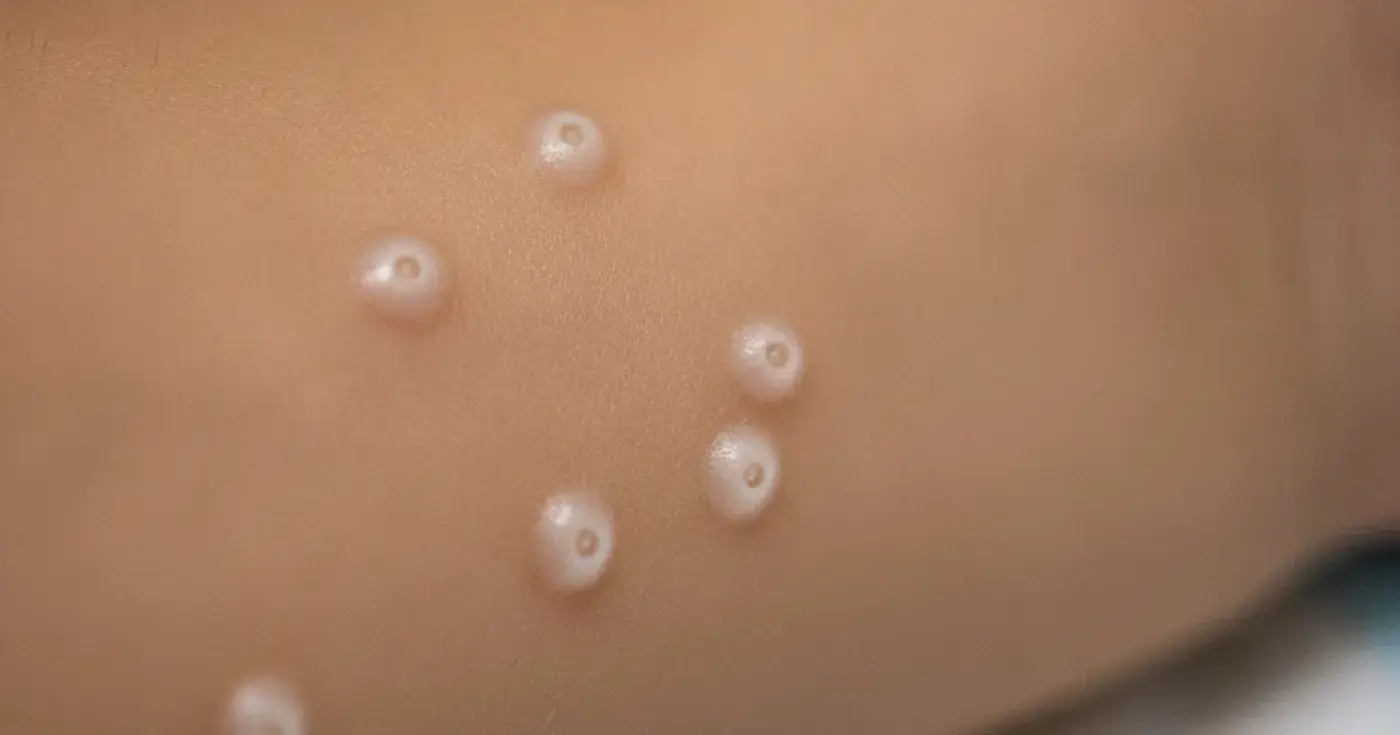
Learn about molluscum contagiosum symptoms, how the virus spreads, clinical diagnosis, and effective medical treatments for children and adults.
Read article
Learn about the causes of skin warts, how they spread, and effective medical treatments like cryotherapy and laser removal.
Read article