
Lahalak Medical PlatformDifferentiate Care
Learn about molluscum contagiosum symptoms, how the virus spreads, clinical diagnosis, and effective medical treatments for children and adults.
Advertisement
Molluscum contagiosum is a common viral skin infection that affects both the skin and mucous membranes. Although it is a benign condition that typically resolves on its own over time, its appearance and highly contagious nature can cause significant concern for patients and parents alike. In this comprehensive medical guide, we will explore the symptoms of molluscum contagiosum, how it spreads, preventive measures, and the latest clinical treatment options available in dermatology clinics.
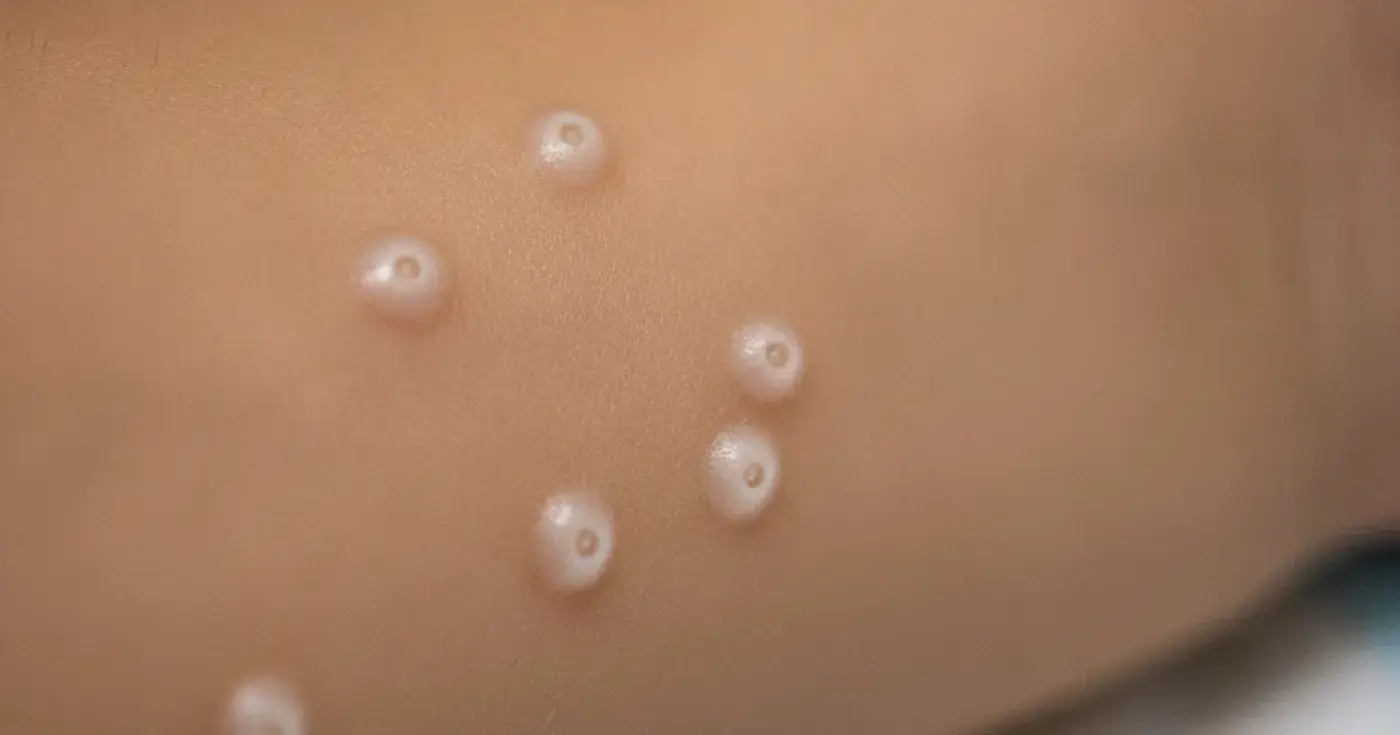
Molluscum contagiosum is a localized skin infection caused by a poxvirus known as the Molluscum Contagiosum Virus (MCV). The virus leads to the formation of small, benign, dome-shaped papules on the superficial layers of the skin. While it can affect individuals of any age, it is most frequently diagnosed in school-aged children (typically between 2 and 5 years old), athletes involved in contact sports, and individuals with compromised immune systems or pre-existing atopic eczema.
The clinical presentation of molluscum contagiosum is highly characteristic, allowing dermatologists to diagnose the condition during a routine physical examination. Key symptoms include:
While the lesions can appear almost anywhere on the body, they are most frequently found on the:
The molluscum contagiosum virus is highly contagious due to its stability on environmental surfaces and ease of transfer. Transmission primarily occurs through:
Autoinoculation occurs when an infected individual scratches or rubs the lesions, transferring the virus via their fingers to other unaffected parts of their own body. This leads to the development of new papules and prolongs the duration of the infection. Patients are strongly advised to avoid scratching or picking at the bumps.
Dermatologists typically diagnose molluscum contagiosum through a simple visual inspection of the skin. The characteristic dome shape and central dimple are usually sufficient for confirmation. In rare cases where the presentation is atypical, the physician may perform a skin biopsy to examine the tissue under a microscope, ensuring an accurate diagnosis and ruling out other conditions like common warts or early basal cell carcinoma.
In many cases, dermatologists recommend a "watch and wait" approach, especially for children with limited lesions, as the body's immune system will naturally clear the virus within 6 to 18 months. However, active molluscum contagiosum treatment is indicated if the lesions are spreading rapidly, causing severe itching or discomfort, or presenting cosmetic concerns.
Dermatologists may prescribe topical medications to be applied directly to the lesions to stimulate an immune response or promote peeling. These include salicylic acid, cantharidin (applied strictly in-office by a professional), and imiquimod cream, which enhances local skin immunity against the virus.
The following table compares the primary clinical methods used to treat molluscum contagiosum, highlighting their mechanisms, benefits, and potential side effects:
| Treatment Method | Mechanism of Action | Key Benefits | Potential Side Effects |
|---|---|---|---|
| Cryotherapy | Freezes lesions using liquid nitrogen | Fast, highly effective, non-invasive | Temporary pain, localized skin discoloration |
| Curettage | Physical scraping of the lesion | Immediate removal of treated papules | Minor bleeding, risk of slight scarring |
| Topical Therapies | Application of peeling or immunomodulating creams | Can be applied at home (under supervision) | Skin irritation, redness, localized itching |
| Laser Therapy | Destruction of lesions using pulsed-dye laser | Highly precise, ideal for stubborn cases | Higher cost, temporary redness and swelling |
To prevent contracting molluscum contagiosum or to stop it from spreading to family members and peers, adhere to the following preventive guidelines:
While molluscum contagiosum is generally harmless, certain situations warrant scheduling an appointment to consult a dermatologist for professional evaluation and a tailored treatment plan. These include:
Clear, direct answers
Advertisement
Continue exploring
Learn about the causes of skin warts, how they spread, and effective medical treatments like cryotherapy and laser removal.
Read article
A comprehensive guide on impetigo in children, covering symptoms, causes, antibiotic treatments, and practical prevention tips to stop the spread.
Read article
Learn about scabies symptoms, transmission methods, and medical treatments. Discover how to treat and prevent scabies effectively under medical guidance.
Read article