
Lahalak Medical PlatformDifferentiate Care
Learn how trichoscopy (microscopic hair analysis) helps dermatologists detect follicle weakness and identify the exact causes of hair loss non-invasively.
Advertisement
Hair loss and thinning are among the most common dermatological concerns worldwide. Historically, diagnosing these issues relied heavily on simple visual inspection or invasive procedures like scalp biopsies. Today, trichoscopy—the microscopic examination of the hair and scalp—has revolutionized clinical dermatology. This non-invasive tool allows dermatologists to visualize structures invisible to the naked eye, offering unparalleled diagnostic accuracy.
By magnifying the scalp, trichoscopy evaluates the health of hair follicles, the structural integrity of the hair shaft, and the condition of the surrounding skin. This precise evaluation helps in formulating an effective hair loss treatment plan, avoiding trial-and-error approaches and targeting the actual underlying cause of hair thinning.
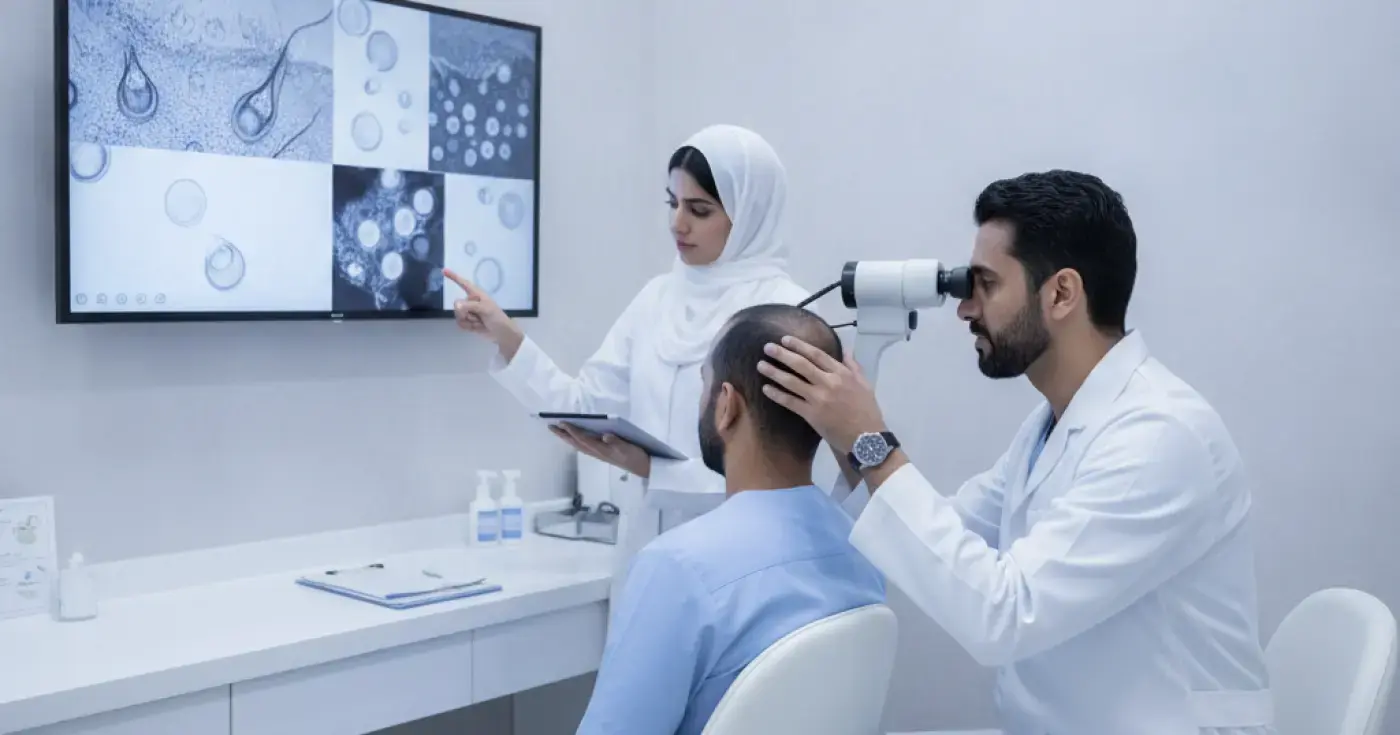
Trichoscopy is a specialized diagnostic technique that utilizes a handheld dermoscope or a high-definition digital microscope connected to a monitor. This technology magnifies the hair and scalp from 10x to over 100x, allowing for detailed real-time analysis.
Using polarized and non-polarized light sources, polarized light microscopy enables clinicians to view both superficial and deeper epidermal structures without the need to cut or pluck the hair. This makes the procedure entirely painless and highly comfortable for the patient.
The hair follicle is the living organ responsible for producing hair. Any disruption in its blood supply, nutrition, or structure directly impacts hair growth. During a trichoscopic exam, dermatologists look for specific microscopic signs of follicle weakness, including:
Trichoscopy is essential for differentiating between various hair loss disorders that may look identical to the naked eye but require completely different therapeutic approaches:
The microscope reveals progressive follicle miniaturization, an increased percentage of vellus hairs, and a reduction in the number of hairs per follicular unit (e.g., single-hair units instead of healthy 2-to-4-hair bundles).
Often triggered by stress, childbirth, or nutritional deficiencies, telogen effluvium shows preserved follicular openings with no signs of miniaturization, alongside healthy new hair regrowth, reassuring the patient that the hair loss is temporary.
This autoimmune condition is characterized by exclamation mark hairs, black dots, and yellow dots, helping the clinician assess disease activity and select appropriate immunomodulatory or topical therapies.
This is a group of rare disorders that destroy hair follicles and replace them with scar tissue. Trichoscopy is crucial for early detection, showing a complete loss of follicular openings and signs of severe inflammation, allowing for rapid intervention to prevent permanent hair loss.
The table below outlines the key differences between trichoscopy and other common diagnostic methods used in dermatology clinics:
| Feature | Trichoscopy | Scalp Biopsy | Hair Pull Test |
|---|---|---|---|
| Invasiveness | Completely non-invasive and painless | Invasive; requires local anesthesia and sutures | Simple manual test; may cause mild discomfort | Time Required | 10 to 15 minutes in-office | Requires several days for pathology results | Immediate | Diagnostic Depth | Comprehensive view of follicles, shafts, and vessels | Deep histological evaluation of cells and tissue | Approximate assessment of active shedding only | Monitoring Utility | Excellent; allows digital photo comparison over time | Difficult and uncomfortable to repeat | Subjective and highly variable |
A trichoscopic examination is a straightforward, comfortable procedure that involves the following steps:
Digital trichoscopy offers significant benefits for both clinicians and patients:
To ensure the most accurate results during your trichoscopy exam, follow these guidelines:
The key to successfully managing hair loss lies in early and accurate diagnosis. If you are experiencing unexplained hair shedding or thinning, scheduling a trichoscopic evaluation with a board-certified dermatologist is the most critical step toward restoring your hair health. Avoid relying on unverified commercial products and always seek evidence-based medical care.
Clear, direct answers
Advertisement
Continue exploring
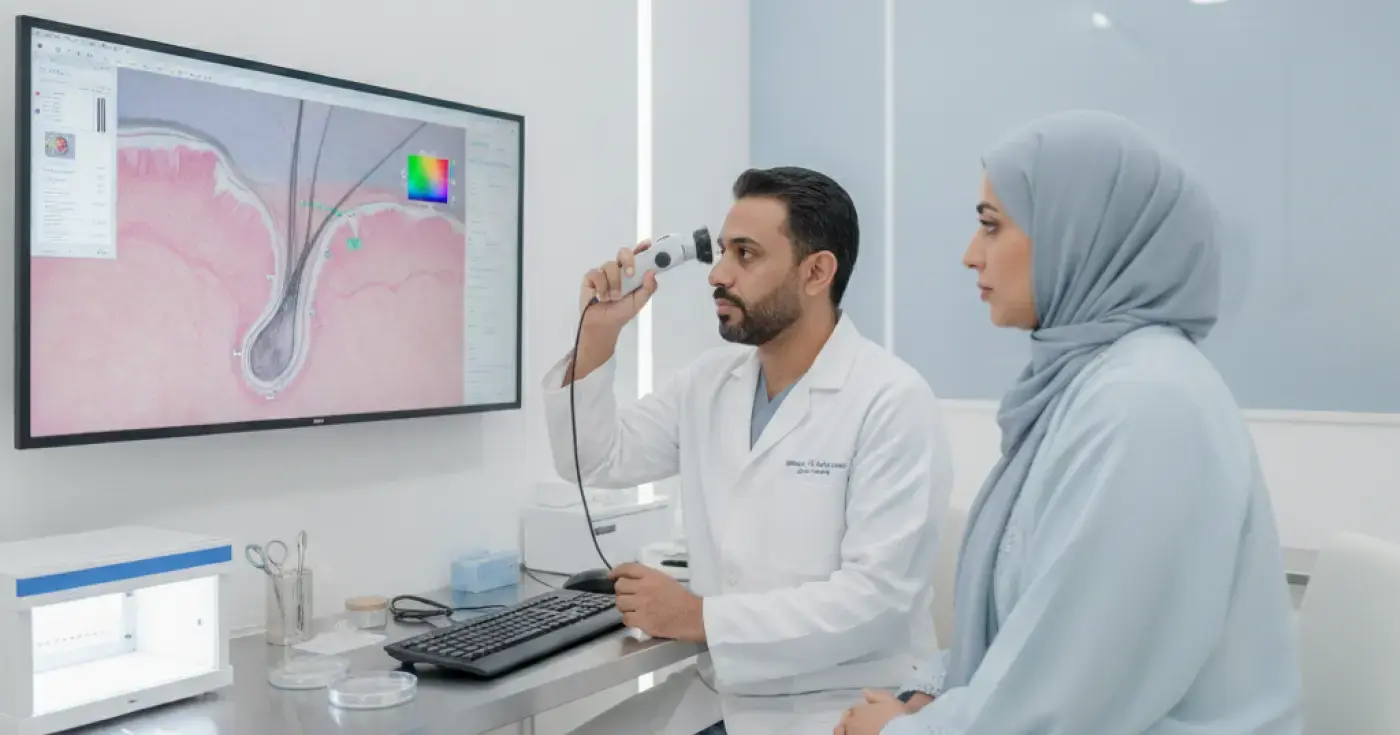
Discover how microscopic hair analysis (trichoscopy) helps dermatologists diagnose hair loss, alopecia, and scalp conditions accurately.
Read article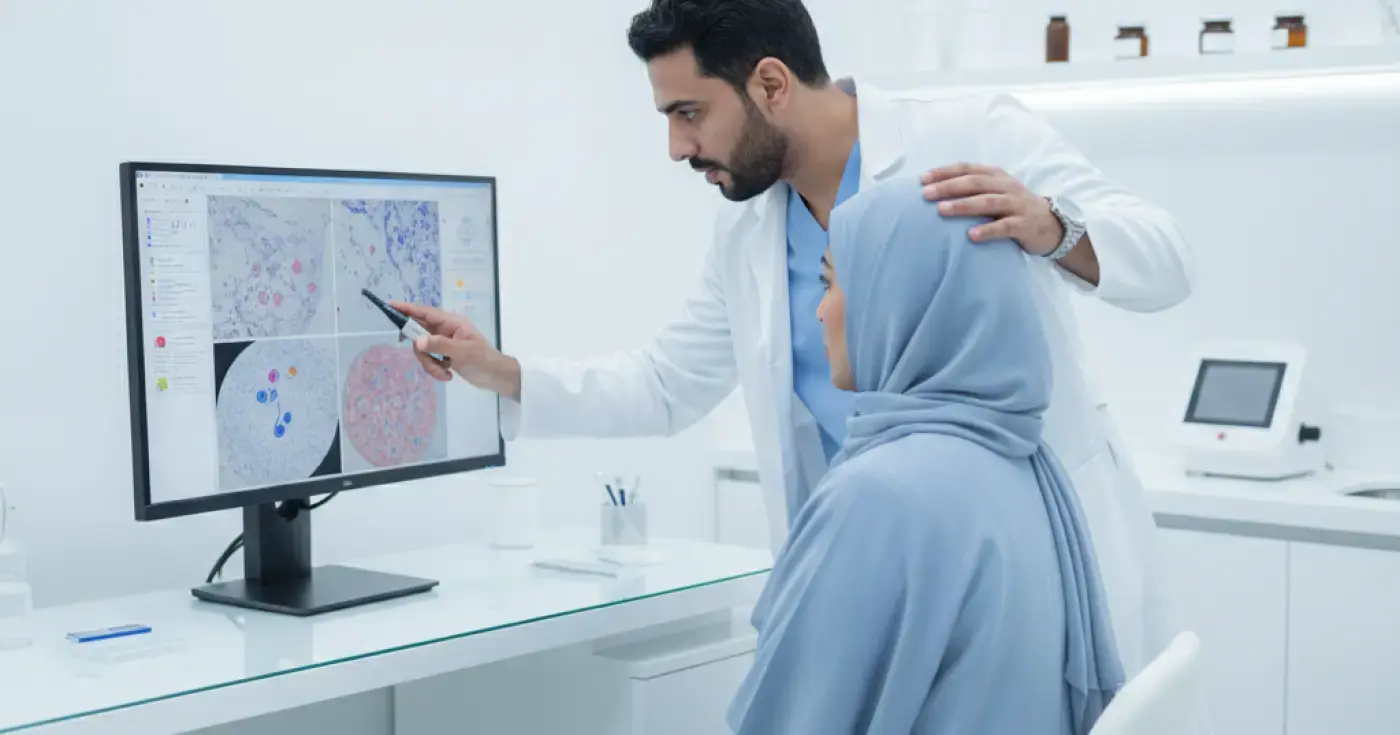
Discover how microscopic hair analysis (Trichoscopy) diagnoses hair loss causes accurately to guide effective, personalized treatment.
Read article
A comprehensive medical comparison between hair transplantation and non-surgical treatments. Discover the best option for your hair loss condition.
Read articleExplore the topic
Microscopic Hair Analysis: A Comprehensive Guide to Diagnosing Scalp and Hair DisordersElixir · Health PanoramaMicroscopic Diagnosis of Hair Problems: How Trichoscopy Reveals Hair Loss CausesElixir · Health PanoramaHair Transplant vs. Non-Surgical Treatments: Which is Best for Hair Thickening?Elixir · Health Panorama