
Lahalak Medical PlatformDifferentiate Care
A comprehensive medical comparison between hair transplantation and non-surgical treatments. Discover the best option for your hair loss condition.

Advertisement
Hair loss and thinning are common concerns that significantly impact self-esteem for both men and women. With rapid advancements in dermatology and aesthetic medicine, numerous treatment options have emerged to restore hair vitality and density. However, many individuals find themselves torn between choosing surgical hair transplantation or relying on non-surgical medical solutions. This comprehensive guide aims to clarify the clinical differences between these options to help you make an informed decision.
Before comparing treatments, it is essential to understand the underlying cause of your hair loss. While androgenetic alopecia (pattern baldness) is the most common culprit, other factors such as hormonal imbalances, nutritional deficiencies, stress, and autoimmune conditions can also play a major role. To identify the exact cause, it is highly recommended to undergo a professional hair loss blood test and clinical evaluation by a dermatologist. Accurate diagnosis is the cornerstone of any successful hair loss treatment plan.
Hair transplantation is a surgical procedure that offers a permanent solution by redistributing healthy hair follicles from a donor area (usually the back of the scalp) to thinning or bald areas. When performed by qualified specialists, modern techniques yield highly natural-looking results.
The primary advantage of surgery is the permanence of the results, as transplanted follicles are genetically resistant to the hormones that cause thinning. Newly transplanted hair begins to grow gradually, with final aesthetic results visible within 9 to 12 months.
For individuals who prefer to avoid surgery or are experiencing the early stages of hair thinning, non-surgical clinical options offer scientifically proven ways to slow down hair loss and stimulate new growth.
To help you weigh your options, the following table summarizes the key differences between surgical and non-surgical approaches:
| Criteria | Surgical Hair Transplant | Non-Surgical Treatments (PRP, Meds, Laser) |
|---|---|---|
| Procedure Type | Minimally invasive surgery under local anesthesia. | Simple in-office procedures or daily home care. |
| Result Longevity | Permanent and lifelong for transplanted follicles. | Temporary; requires ongoing maintenance to sustain results. |
| Recovery Time | Requires 7 to 10 days of downtime for healing. | No downtime; patients can resume daily activities immediately. |
| Target Candidate | Advanced hair loss, receding hairlines, or bald patches. | Early to moderate hair thinning or diffuse hair loss. |
| Overall Cost | Higher upfront cost, but a one-time investment. | Lower initial cost, but cumulative over long-term maintenance. |
Choosing the right path depends heavily on a personalized clinical assessment:
Every medical procedure carries some level of risk that must be discussed with your physician:
Clear, direct answers
Advertisement
Continue exploring
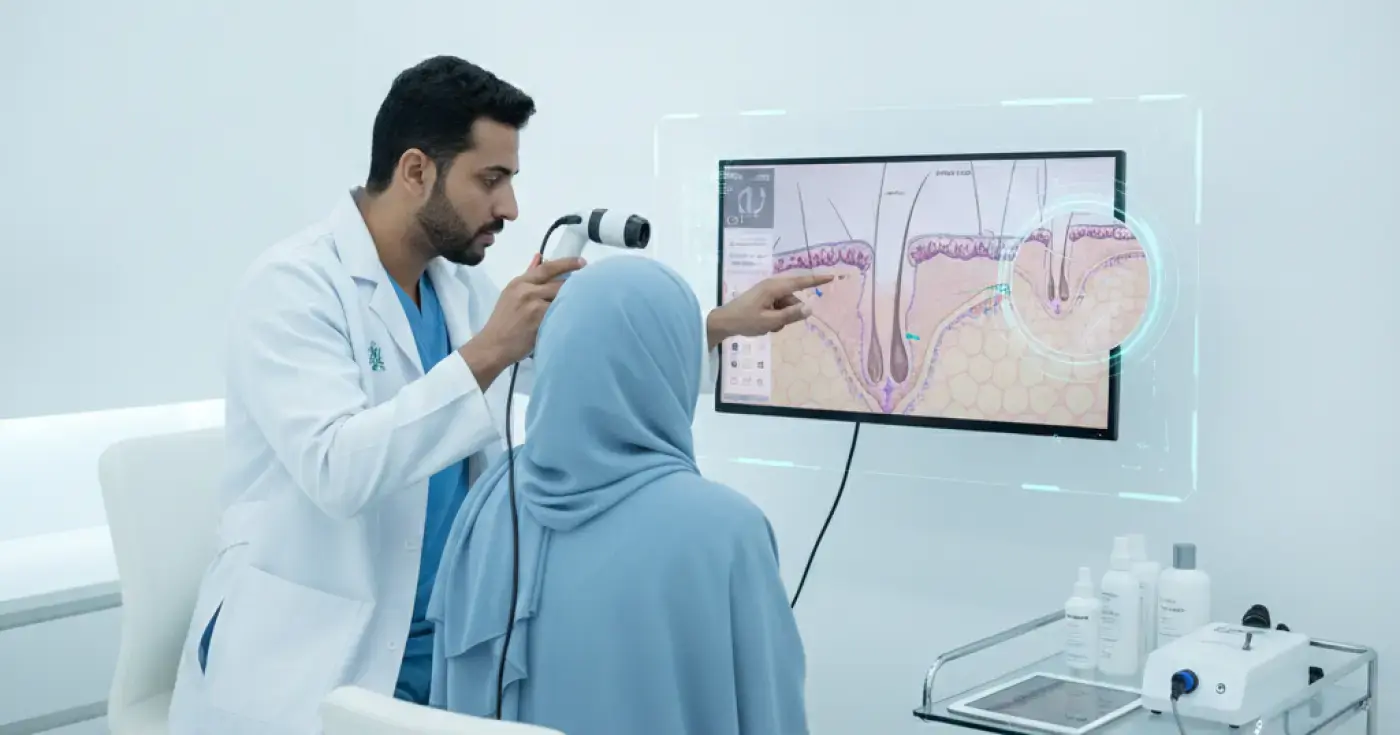
Discover the causes of weak hair follicles and the best medical and natural treatments to stimulate hair growth and density safely.
Read article
Discover the scientific truth about vitamins and supplements for hair thickening, their efficacy, risks of overuse, and when to see a doctor.
Read article
Discover the best medically backed hair thickening treatments for women. Explore clinical therapies, PRP, lifestyle changes, and expert dermatological advice.
Read articleExplore the topic