
Lahalak Medical PlatformDifferentiate Care
Discover the scientific truth about vitamins and supplements for hair thickening, their efficacy, risks of overuse, and when to see a doctor.

Advertisement
Achieving thick, healthy hair is a universal symbol of vitality and beauty, leading many to seek quick solutions for hair thinning and loss. Recently, hair supplements and vitamins have flooded the market, promoted as miracle cures for hair growth. But does scientific evidence support these claims? In this comprehensive clinical guide, we will explore the real connection between nutrition and hair thickness, when these supplements actually help, and when they might pose a risk to your health.
Hair follicles are among the most metabolically active cells in the body, requiring a constant supply of energy and nutrients to produce new hair. When the body experiences nutritional deficiencies, it prioritizes vital organs (like the heart and brain) over non-essential tissues like hair. Consequently, poor nutrition or crash dieting is often reflected first in hair shedding and thinning. A balanced diet is therefore crucial to support the natural hair growth cycle.
Several vitamins are closely linked to hair health and development, including:
Vitamin D plays a key role in stimulating new and old hair follicles. Deficiencies in Vitamin D are strongly associated with alopecia areata and telogen effluvium (excessive shedding). Maintaining adequate levels supports healthy hair density. You can check your levels by taking a Vitamin D test.
Biotin is the most famous hair supplement. It assists in the production of keratin, the primary protein that makes up hair. However, clinical studies show that biotin supplements only improve hair thickness in individuals who have an actual biotin deficiency, which is relatively rare as it is widely available in common foods.
Known for its antioxidant properties, Vitamin E helps reduce oxidative stress in the scalp, which is a known contributor to hair loss. Some research suggests it supports scalp health and protects hair follicles from damage.
Vitamin C is essential for collagen production, a vital protein for hair structure. It also enhances iron absorption in the gut, which is critical since iron deficiency is a leading cause of hair loss in women.
In addition to vitamins, minerals play an equally important role in hair density:
| Nutrient | Clinical Benefit for Hair | Top Natural Sources |
|---|---|---|
| Vitamin D | Stimulates follicles and supports growth cycle | Fatty fish, eggs, safe sun exposure |
| Iron | Delivers oxygen to follicles, prevents shedding | Red meat, spinach, lentils |
| Zinc | Tissue growth, repair, and sebum regulation | Oysters, seeds, nuts, meat |
| Biotin | Supports keratin structure and hair strength | Eggs, nuts, legumes |
| Vitamin C | Collagen synthesis and iron absorption | Citrus fruits, bell peppers, strawberries |
Dietary supplements are highly effective for hair thickening in one primary scenario: when there is a clinically proven nutritional deficiency. If hair loss is caused by low iron or vitamin D, correcting this deficiency with targeted supplements will lead to noticeable improvement and hair thickening within a few months. However, if you already have normal nutrient levels, taking extra supplements will not make your hair thicker and may even cause adverse health effects.
It is a common misconception that vitamins are completely harmless. Overusing certain vitamins and minerals can backfire and actually cause hair loss. For example:
Before purchasing commercial hair supplements, it is highly recommended to consult a physician and undergo basic blood tests to identify the root cause of hair thinning. These tests typically include:
Based on these results, a doctor can guide you toward the most appropriate hair loss treatment safely and effectively.
To achieve thicker, stronger hair, adopt a holistic approach that combines nutrition with proper care:
Vitamins and supplements are not a magic cure-all for hair thinning; they work effectively only when correcting an underlying nutritional deficiency. If you experience persistent hair loss or noticeable bald patches, the best course of action is to consult a dermatologist for an accurate diagnosis and a personalized treatment plan.
Clear, direct answers
Advertisement
Continue exploring

Discover the best medically backed hair thickening treatments for women. Explore clinical therapies, PRP, lifestyle changes, and expert dermatological advice.
Read article
A complete medical guide on Minoxidil for hair thickening. Discover its benefits, step-by-step application, side effects, and results.
Read article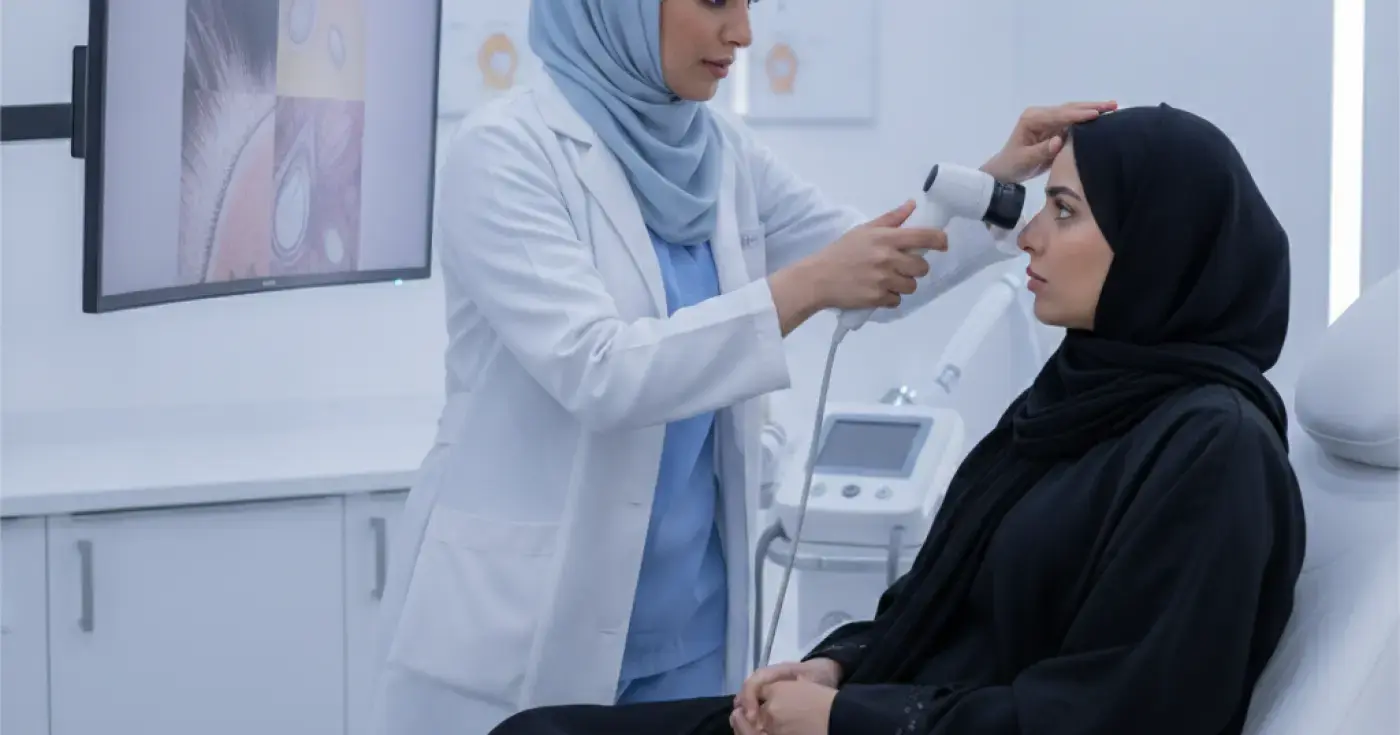
Discover the main causes of hair gaps and thinning. Explore top medical treatments, PRP therapy, hair transplants, and prevention tips.
Read article