
Lahalak Medical PlatformDifferentiate Care
Discover how microscopic hair analysis (Trichoscopy) diagnoses hair loss causes accurately to guide effective, personalized treatment.
Advertisement
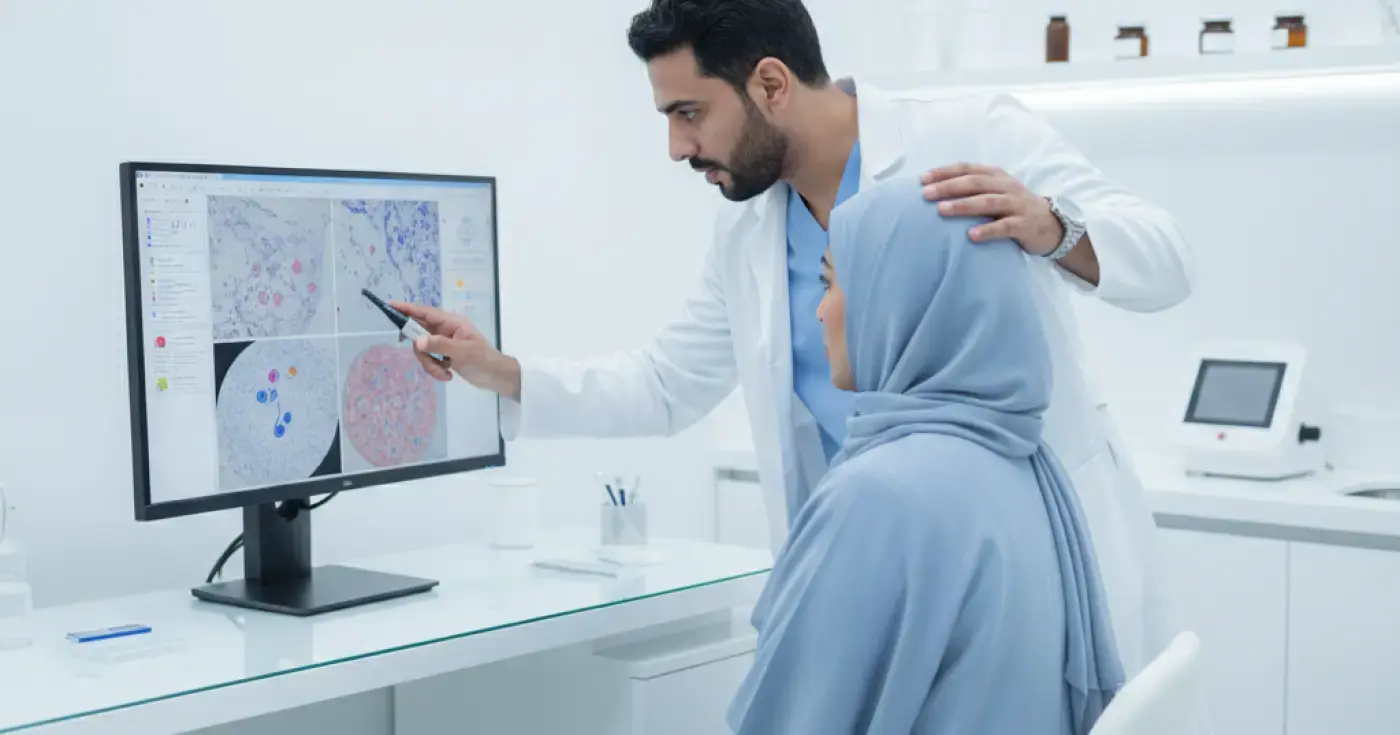
Hair is a significant indicator of overall health and well-being. Experiencing hair loss can be distressing, and many individuals try various over-the-counter remedies without knowing the actual cause, which can sometimes worsen the condition. This is where microscopic hair analysis, scientifically known as Trichoscopy, becomes essential. It is a non-invasive diagnostic tool that allows dermatologists to examine the scalp and hair follicles in detail, helping them identify the root cause of hair loss and design a targeted treatment plan.
Trichoscopy is a modern diagnostic technique that utilizes a specialized dermatoscope to examine the scalp and hair under high magnification. This tool allows dermatologists to see microscopic features that are invisible to the naked eye, such as the hair shaft structure, follicular openings, surrounding skin status, and microvascular patterns of the scalp.
During a trichoscopy session, the specialist evaluates three primary components of the scalp to determine the type and cause of hair loss:
The microscope helps evaluate hair thickness and detect hair shaft diameter diversity (anisotropic hair), which is a hallmark sign of androgenetic alopecia. It also reveals structural hair defects or breakage caused by excessive heat or chemical styling.
The appearance of hair follicles under magnification provides vital clues. For instance, "yellow dots" indicate sebum or keratin accumulation in empty follicles, "black dots" represent hairs broken at the scalp level, and completely empty follicles suggest inactive hair growth phases.
Trichoscopy can reveal signs of inflammation, scaling, redness, or abnormal blood vessel patterns. These findings help dermatologists diagnose specific scalp conditions such as psoriasis, seborrheic dermatitis, or scarring alopecias.
Trichoscopy is highly effective in differentiating between various hair loss conditions, each requiring a completely different therapeutic approach. The table below outlines the most common conditions and their characteristic microscopic features:
| Medical Condition | Characteristic Trichoscopic Signs | Common Causes | General Clinical Recommendation |
|---|---|---|---|
| Androgenetic Alopecia (Pattern Hair Loss) | Hair diameter diversity, increased vellus hairs, and brown peripilar sign. | Genetic predisposition and hormonal factors (DHT sensitivity). | Consult a dermatologist for topical growth stimulants or DHT blockers. |
| Telogen Effluvium | Numerous empty hair follicles with normal hair shaft thickness and no significant diameter variation. | Physical or emotional stress, nutritional deficiencies, hormonal shifts, or post-surgery. | Perform blood tests, address nutritional deficiencies, and use supportive hair tonics. |
| Alopecia Areata | Exclamation mark hairs, black dots, yellow dots, and short dystrophic hairs. | Autoimmune response targeting hair follicles. | Topical immunomodulators, topical sensitizers, or localized corticosteroid injections. |
| Tinea Capitis (Scalp Ringworm) | Comma hairs, corkscrew hairs, zigzag hairs, accompanied by localized scaling. | Fungal infection of the scalp (common in children). | Prescription oral and topical antifungal medications. |
Trichoscopy is a quick, painless, and comfortable in-office procedure. The typical process involves the following steps:
Historically, dermatologists relied on the hair pull test or invasive scalp biopsies. Trichoscopy offers several distinct advantages:
It is highly recommended to seek professional medical advice and undergo a trichoscopy if you experience:
According to clinical guidelines, maintaining healthy hair requires a balanced lifestyle, including a diet rich in proteins, iron, zinc, and vitamin D. It is also important to minimize the use of harsh chemical treatments and high-heat styling tools. Gentle scalp massages can help stimulate local blood circulation. Most importantly, establishing a personalized hair loss treatment plan based on an accurate clinical diagnosis is key to achieving optimal results safely.
Clear, direct answers
Advertisement
Continue exploring

A comprehensive medical comparison between hair transplantation and non-surgical treatments. Discover the best option for your hair loss condition.
Read article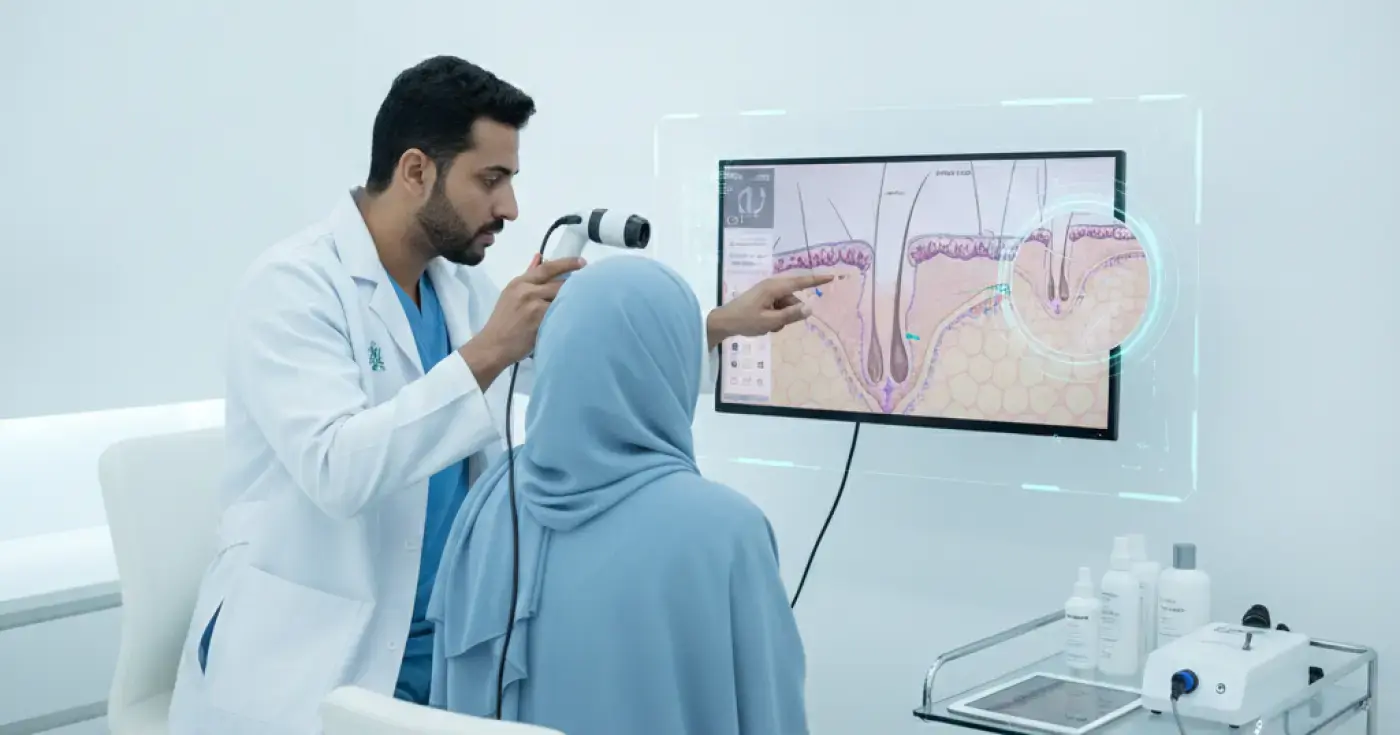
Discover the causes of weak hair follicles and the best medical and natural treatments to stimulate hair growth and density safely.
Read article
Discover the scientific truth about vitamins and supplements for hair thickening, their efficacy, risks of overuse, and when to see a doctor.
Read articleExplore the topic
Hair Transplant vs. Non-Surgical Treatments: Which is Best for Hair Thickening?Elixir · Health PanoramaTreating Weak Hair Follicles: Scientific Methods to Improve Hair Growth and DensityElixir · Health PanoramaDo Vitamins and Dietary Supplements Help Thicken Hair? The Scientific TruthElixir · Health Panorama