
Lahalak Medical PlatformDifferentiate Care
Understand the differences between skin tags and benign skin tumors. Learn about symptoms, causes, removal methods, and when to see a dermatologist.
Advertisement
Changes in the skin are among the most common concerns prompting visits to dermatology and cosmetic clinics. Among these changes, the distinction between skin tags and benign skin tumors is a frequent source of questions. Although both conditions fall under the category of non-cancerous skin growths, they have fundamental differences in origin, appearance, and medical management. This comprehensive guide aims to clarify these differences to help you understand your skin and make informed health decisions in consultation with specialists.
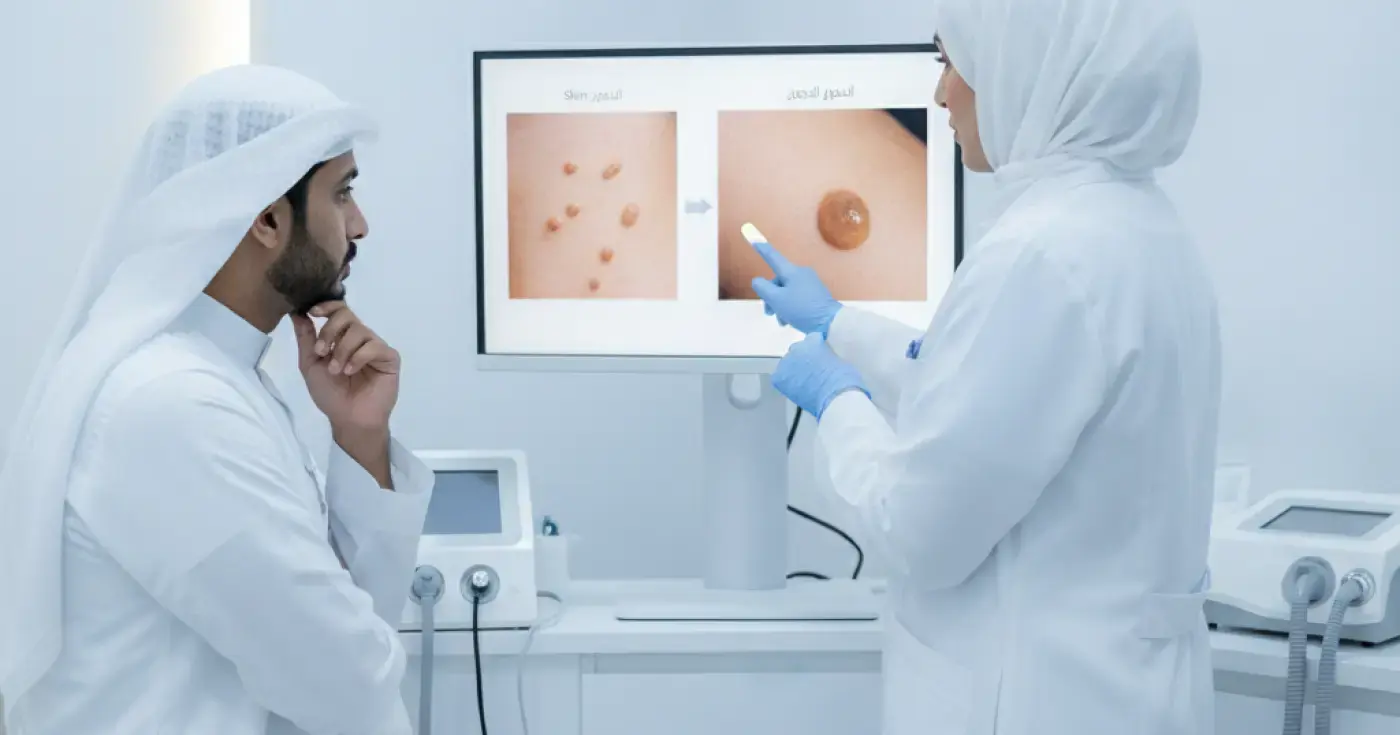
Skin tags are small, soft, benign skin growths that typically hang from a tiny stalk (peduncle). They consist primarily of collagen fibers and blood vessels surrounded by an epidermal layer. They commonly appear in skin folds where friction is frequent, such as the neck, armpits, groin, and under the breasts. Skin tags are extremely common, harmless, and pose no medical threat, though they can cause cosmetic concerns or become irritated when rubbing against clothing or jewelry.
Several factors contribute to the development of skin tags, most notably continuous skin-on-skin or skin-on-clothing friction. They are also linked to hormonal and metabolic factors, such as pregnancy, obesity, and insulin resistance (type 2 diabetes). Genetics also play a significant role, with individuals more likely to develop them if there is a family history of skin tags.
Benign skin tumors are a broader medical category encompassing any abnormal, non-cancerous growth of skin cells. Unlike skin tags, which have a specific and limited presentation, benign tumors can arise from various cell types (such as melanocytes, keratinocytes, or fat cells). While these growths do not metastasize to other parts of the body, they require precise diagnosis through a dermatologist consultation to ensure they are safe and do not mimic malignant conditions.
Benign skin tumors include a wide range of conditions, such as: 1. Seborrheic Keratosis: Common growths that appear as waxy, scaly, brown, or black spots. 2. Dermatofibromas: Small, firm bumps that typically develop on the lower legs. 3. Hemangiomas: Clusters of blood vessels that present as bright red spots. 4. Lipomas: Soft, fatty lumps that grow slowly beneath the skin.
| Feature | Skin Tags (Acrochordons) | Benign Skin Tumors |
|---|---|---|
| Definition | Small, soft, peduncled skin growths. | Non-cancerous cellular growths of various skin cell types. |
| Texture & Appearance | Soft, flexible, and easily movable. | Varies from firm, waxy, fatty, to rough depending on the type. |
| Common Locations | Skin folds (neck, armpits, groin). | Can appear anywhere on the body, face, or limbs. |
| Primary Cause | Friction, obesity, hormonal changes, genetics. | Abnormal cell division, sun exposure, genetic factors. |
| Malignancy Risk | Zero risk of becoming cancerous. | Very low, but some require monitoring and professional evaluation. |
| Common Removal Methods | Cauterization, cryotherapy, or simple surgical snip. | Surgical excision, laser therapy, curettage, or freezing. |
Dermatologists diagnose these growths primarily through a detailed clinical examination using a specialized tool called a dermoscope. This device allows the physician to visualize the microscopic structures of the skin lesion and determine its cellular pattern. In most cases, an experienced dermatologist can differentiate between skin tags and benign tumors through visual inspection alone.
If there is any uncertainty regarding the nature of the skin growth, or if the lesion exhibits atypical features (such as rapid growth, color variation, or irregular borders), the doctor will perform a skin biopsy. During this minor procedure, a small tissue sample is removed and sent to a laboratory for histopathological analysis to definitively rule out malignancy.
Dermatology and cosmetic clinics in Saudi Arabia offer advanced and safe treatment options to remove these skin lesions for cosmetic or functional reasons. These options include: 1. Cryotherapy: Using liquid nitrogen to freeze and destroy small growths. 2. Electrocautery: Applying heat to burn off the tissue while simultaneously sealing blood vessels. 3. Surgical Excision: Removing the growth under local anesthesia, followed by suturing if necessary. 4. Laser Therapy: A precise method used to vaporize superficial lesions and tags with minimal scarring. We strongly advise seeking professional skin tag removal or tumor excision under medical supervision and avoiding home remedies.
Although the growths discussed here are benign, it is crucial to remain vigilant for signs that could indicate a more serious condition, such as skin cancer. You should schedule a skin lesion examination if you notice: rapid or sudden growth, changes in color or multi-colored lesions, asymmetry, irregular or blurred borders, or symptoms like bleeding, itching, or persistent pain.
To maintain healthy skin and minimize the likelihood of developing these growths, consider the following lifestyle practices: maintain a healthy weight to reduce skin friction and insulin resistance, keep your skin well-hydrated to prevent irritation, apply broad-spectrum sunscreen daily to protect skin cells from UV-induced mutations, and perform regular self-examinations to catch any changes early.
Clear, direct answers
Advertisement
Continue exploring
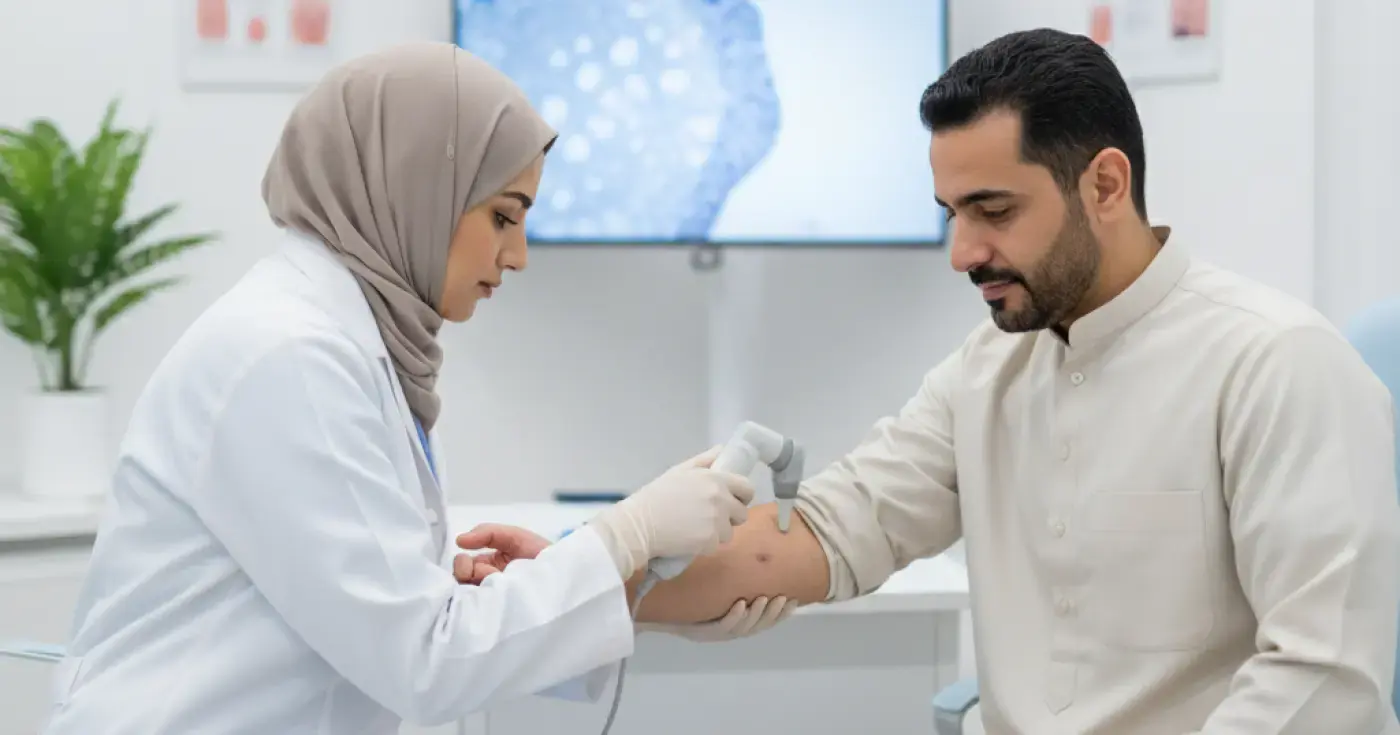
Find out when benign skin tumors require removal, the best clinical methods available, and essential post-procedure recovery tips.
Read article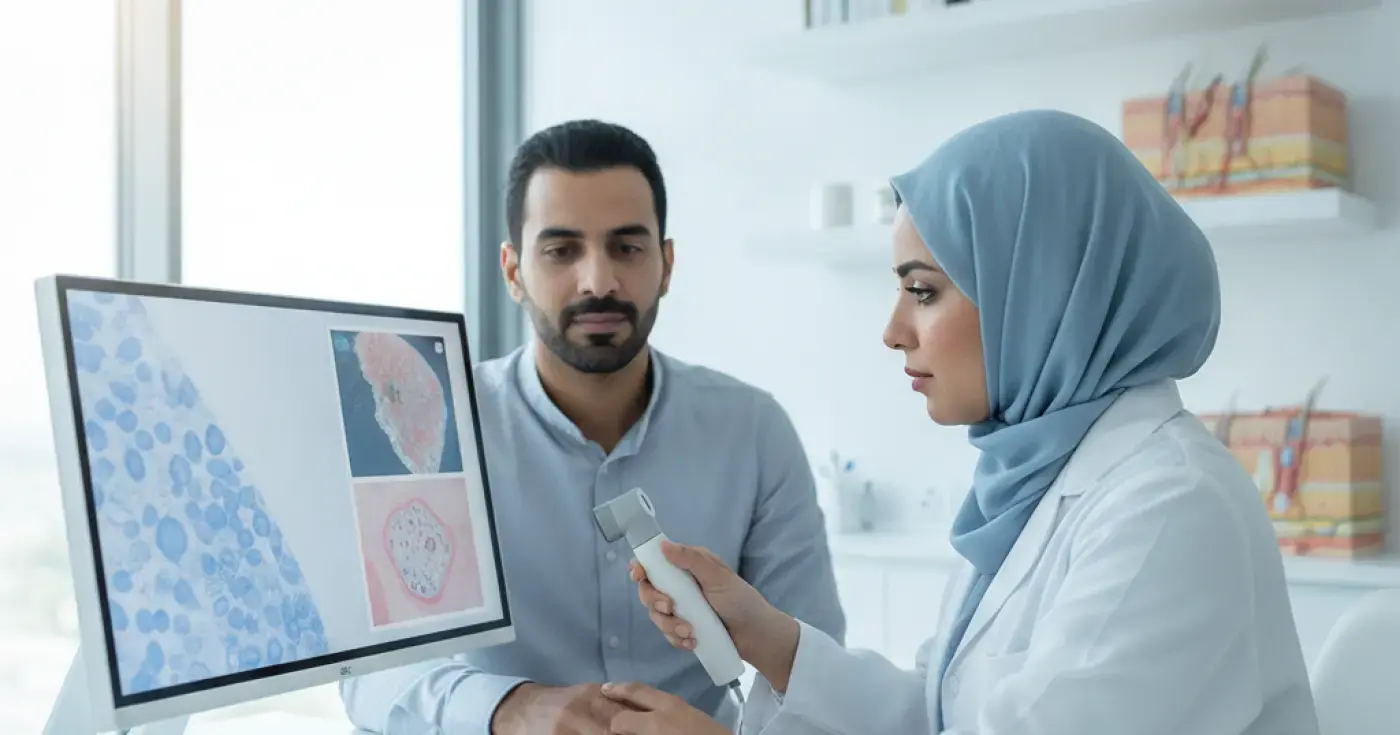
Learn how to differentiate benign skin tumors from suspicious changes using the ABCDE rule and when to consult a dermatologist for a professional evaluation.
Read article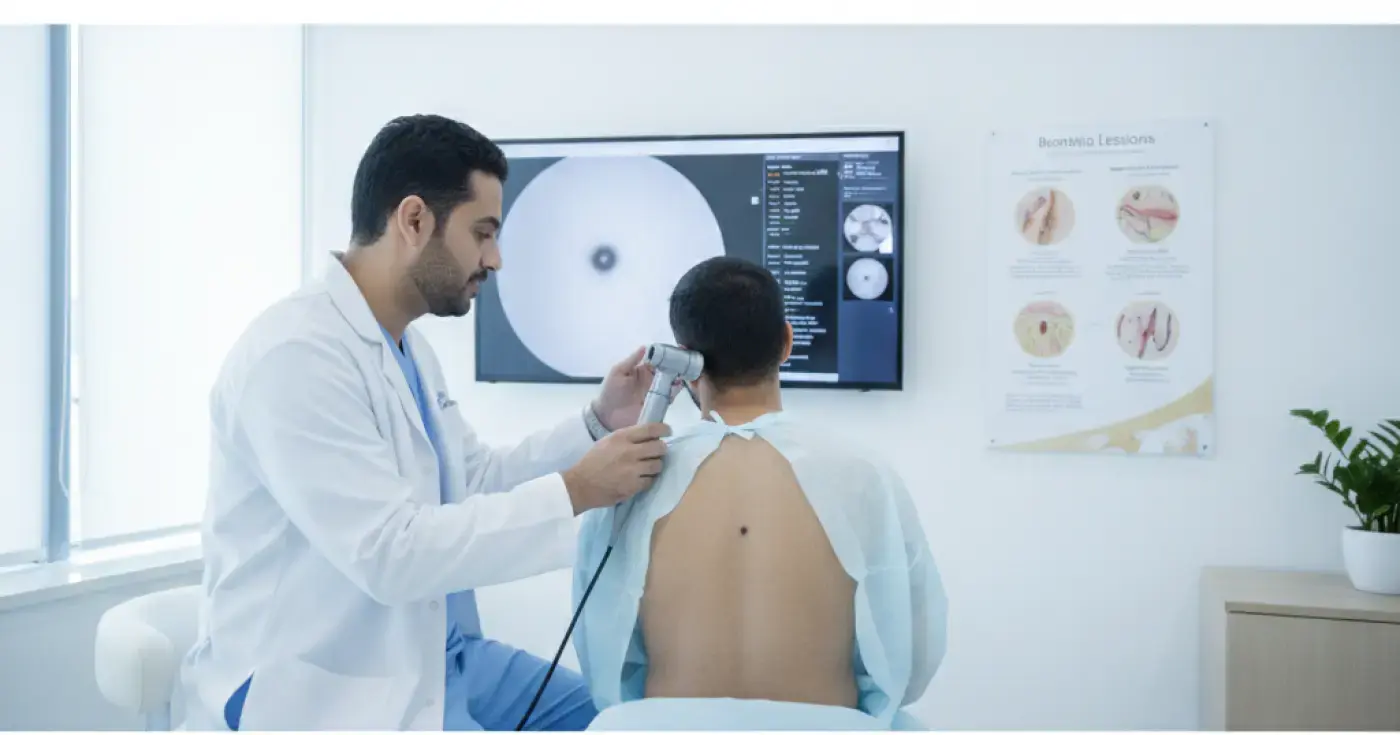
A comprehensive medical guide to benign skin tumors, common types like moles and skin tags, differentiation from cancer, and when to consult a dermatologist.
Read articleExplore the topic