
Lahalak Medical PlatformDifferentiate Care
Discover the best medical treatments for vascular and pigmented birthmarks, including laser therapy, surgery, and essential post-care tips.
Advertisement
Skin birthmarks are colored marks on the skin that are present at birth or develop shortly afterward. These marks vary widely in size, color, and shape, and are medically classified into two main categories: vascular birthmarks and pigmented birthmarks. Vascular birthmarks occur when blood vessels do not form correctly, while pigmented birthmarks are caused by an overgrowth of pigment-producing cells (melanocytes) in one area.
Understanding the specific type of birthmark is the crucial first step in determining the most appropriate treatment plan. While some birthmarks require prompt medical intervention to prevent complications, others are best left alone, as many childhood birthmarks fade naturally over time without any treatment.
The exact causes of most skin birthmarks remain largely unknown, but medical research confirms they are not caused by anything a mother does or eats during pregnancy. Vascular birthmarks develop due to an abnormal clustering of blood vessels beneath the skin. On the other hand, pigmented birthmarks occur when melanocytes multiply in a concentrated area instead of spreading evenly across the skin surface.
Studies suggest that certain rare genetic factors may play a role in specific types of birthmarks, but the vast majority occur randomly without any clear family history of the condition.
Most skin birthmarks are harmless and do not require medical treatment. However, certain situations warrant professional intervention following a dermatologist consultation. Indications for treatment include:
Common vascular birthmarks include hemangiomas and port-wine stains. Treatment options are tailored based on their size, depth, and location:
Pulsed Dye Laser (PDL) is considered the gold standard for treating port-wine stains and superficial hemangiomas. This laser targets the hemoglobin in blood vessels, sealing them and causing the birthmark to fade gradually without damaging the surrounding skin.
Beta-blockers (such as oral propranolol or topical timolol) are highly effective first-line treatments for active infantile hemangiomas. These medications help shrink the blood vessels, lighten the color, and halt rapid growth.
Surgical removal of vascular birthmarks is reserved for rare cases, such as damaged or bleeding hemangiomas, or when a birthmark leaves residual stretched skin after naturally regressing.
Pigmented birthmarks include café-au-lait spots and congenital melanocytic nevi. They require different therapeutic approaches:
Lasers such as Q-Switched or Picosecond lasers are used to break down excess melanin clusters in the skin. Multiple sessions are typically required to achieve significant lightening of the birthmark.
For large pigmented birthmarks or those with a risk of future complications, surgical birthmark removal is the preferred solution. The surgeon excises the birthmark and closes the wound cosmetically. Large areas may require skin grafts or tissue expanders.
Using laser birthmark treatment is highly popular due to its safety profile and clinical efficacy. The laser delivers precise, concentrated light energy to the target (either hemoglobin or melanin) without harming the surrounding healthy tissue. The number of sessions required varies depending on the birthmark's depth, color, and size, with sessions usually spaced 4 to 6 weeks apart to allow the skin to heal completely.
To ensure optimal results and minimize risks, patients must follow strict pre- and post-treatment guidelines:
While modern techniques are highly safe, any medical procedure carries potential side effects that should be discussed with the treating physician, including:
The following table provides a simplified comparison of the primary treatment options available for skin birthmarks:
| Treatment Method | Target Birthmark Type | Primary Mechanism | Average Sessions | Expected Recovery Time |
|---|---|---|---|---|
| Vascular Laser (PDL) | Vascular (Port-wine stains) | Thermal destruction of blood vessels | 4 - 8 sessions | 3 - 7 days |
| Pigment Laser (Q-Switched) | Pigmented (Café-au-lait spots) | Fragmentation of excess melanin | 3 - 6 sessions | 5 - 10 days |
| Medication (Beta-blockers) | Active infantile hemangiomas | Shrinking vessels and halting growth | Continuous for months | Varies by response |
| Surgical Excision | Large or suspicious pigmented nevi | Complete surgical removal of the mark | 1 session (usually) | 1 - 3 weeks |
It is important to monitor any changes in skin birthmarks. You should seek immediate medical attention if the birthmark:
Clear, direct answers
Advertisement
Continue exploring
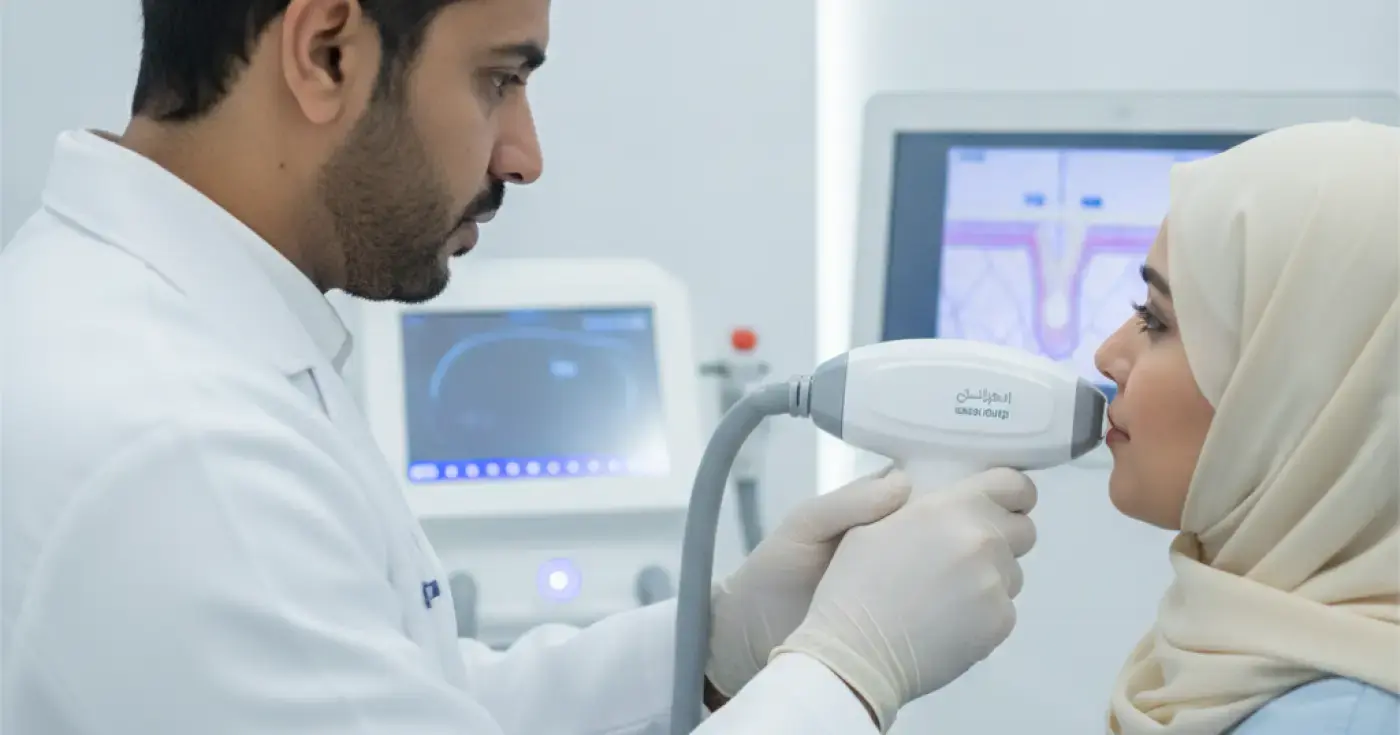
Learn about laser treatment for vascular and pigmented birthmarks, including technologies, expected results, and essential post-treatment care.
Read article
Learn the clinical differences between vascular and pigmented birthmarks, including causes, common types, treatment options, and when to see a doctor.
Read article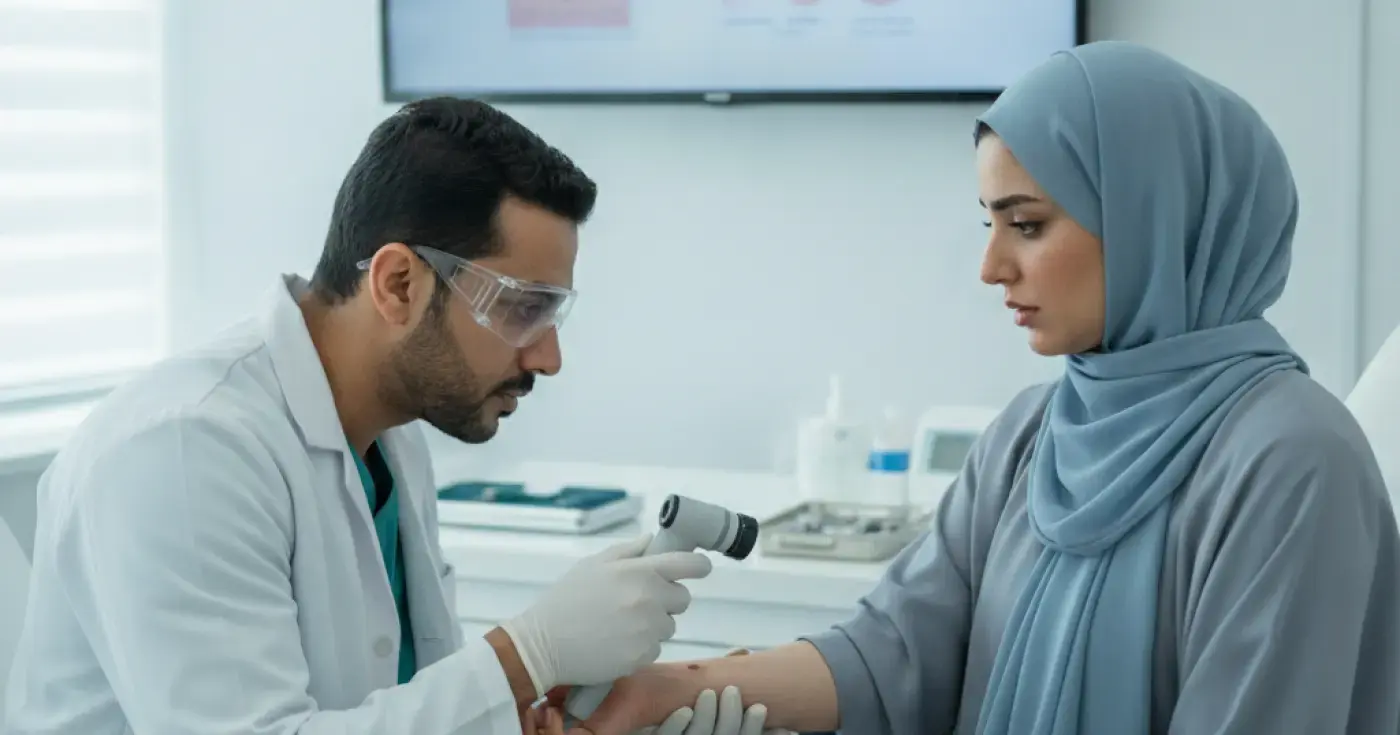
Learn the warning signs of suspicious birthmarks and moles, the ABCDE criteria, and when to consult a dermatologist for a professional evaluation.
Read article